Hello, young adventurers! Get ready for a thrilling story from my trip to a super cool place called Pilibhit Tiger Reserve on January 15, 2026. Imagine a misty, chilly morning, deep in the jungle, where I was hoping to see one of the most amazing animals on Earth: the Bengal Tiger! What exciting things will we find? Let’s dive in!
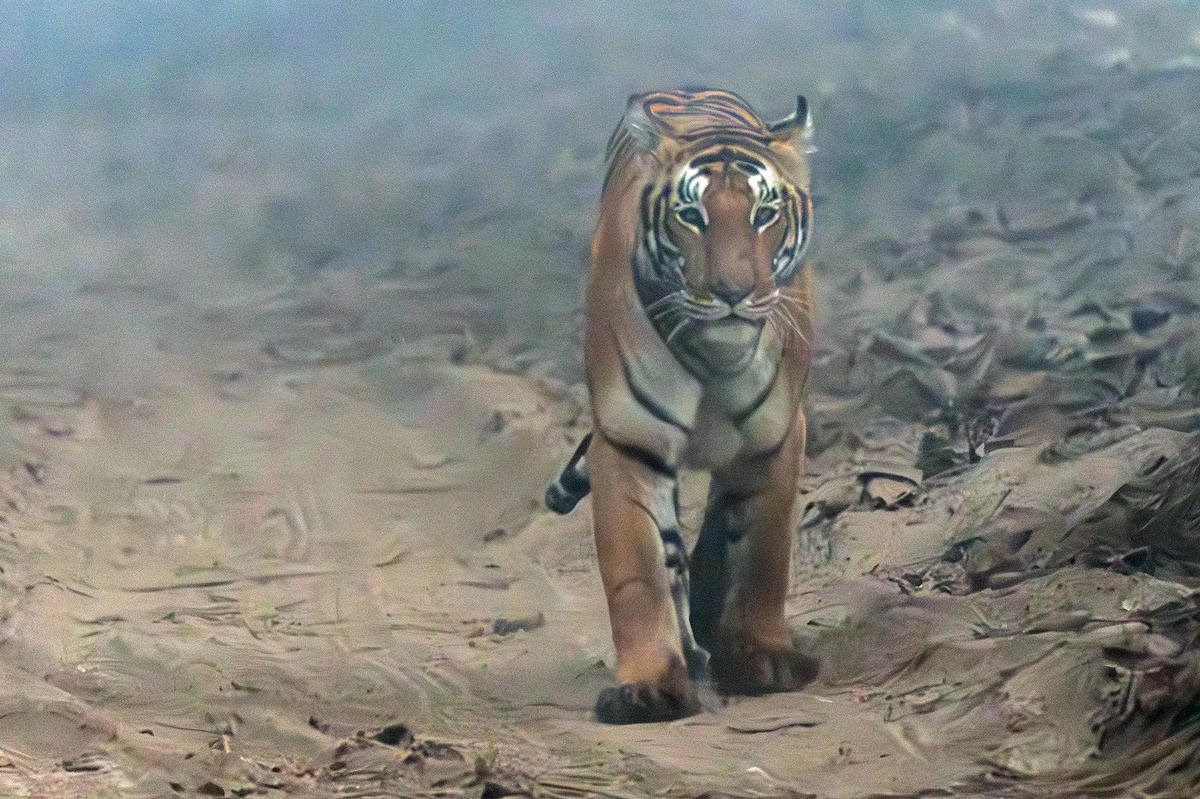
Image: The majestic Barhai, a Bengal Tigress, patrols her territory in Pilibhit Tiger Reserve.
My Journey to Find a Bengal Tiger in Pilibhit
My exciting journey to Pilibhit started with a long drive. It was super cold and misty, making everything look mysterious! My friend Arindam helped plan this adventure. We stayed at a nice place called Jalaj Bagh Homestay. It was cozy, and they made yummy food, perfect after a chilly safari, especially when we were looking for the elusive Bengal Tiger!
On our first safari, we didn’t see a Bengal Tiger, but the forest was full of life! We saw lots of spotted deer jumping around, funny monkeys playing in trees, graceful Himalayan langurs, and beautiful peacocks showing off their feathers. I even got a good picture of a Racket-tailed Drongo, a bird with amazing long tail feathers!
Meeting the Queen of the Jungle: Barhai, the Bengal Tiger
We went on more safaris, hoping every time. The cold was a bit tough, so remember to bundle up if you visit this home of the Bengal Tiger! Then, on our last day, something incredible happened! Around 8 AM, right on a dirt road, we met a female Bengal Tiger! Her name was Barhai. She was so close to our jeep, walking slowly, like she owned the place – which she totally does!
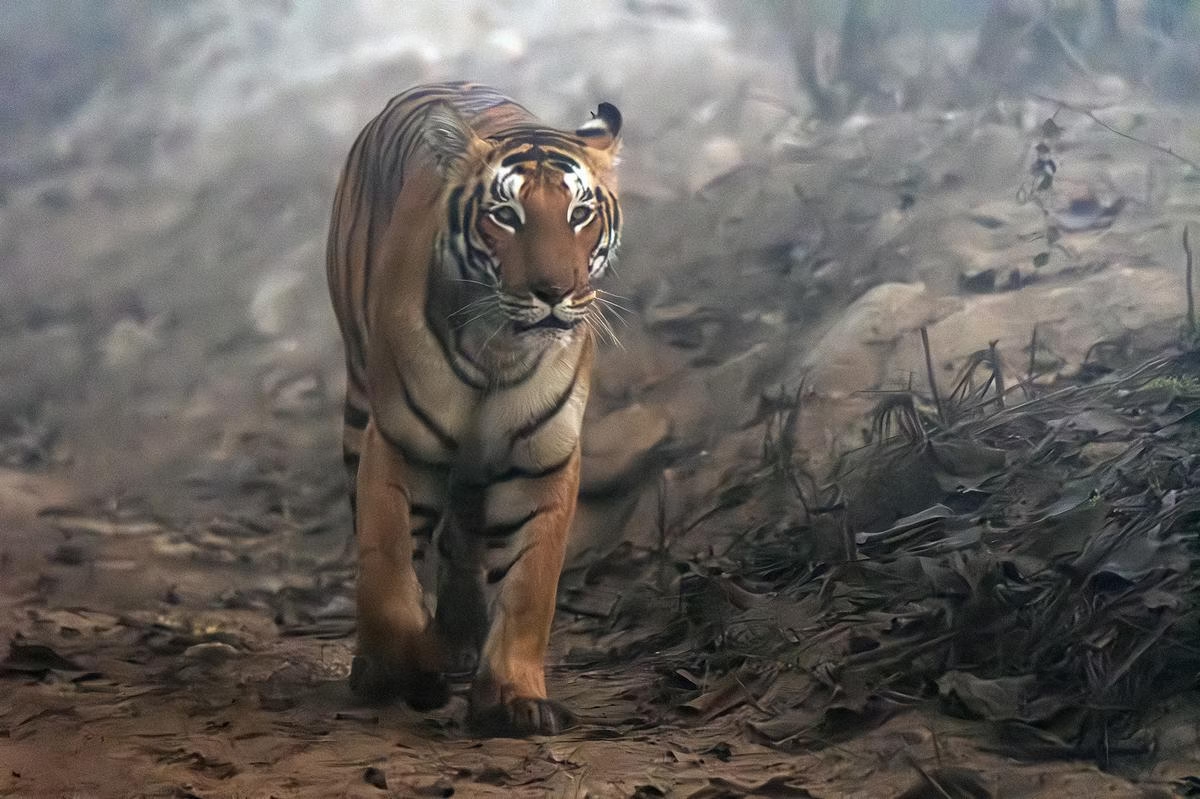
Image: Barhai, the Bengal Tigress, walks through the misty morning, a picture of power and grace.
Barhai was marking her territory, which means she was letting other animals know this was her home. It was misty, and she was moving, but I managed to snap some cool photos of this amazing Bengal Tiger. It was a real triumph!
Later, we heard a deer crying. Our driver, Irfan, who knows so much about tigers, told us that Barhai had hunted it. He explained that tigers usually rest after eating, and Barhai probably had baby cubs nearby! She would go back to them after her rest. Isn’t that interesting? This taught me so much about how Bengal Tigers live in the wild and how important every Bengal Tiger is to the ecosystem.
Tips for Your Own Pilibhit Adventure
- Stay Warm: If you visit in winter, wear super warm clothes, especially for your face!
- Best Time: Irfan said May is a great time to see Bengal Tigers, before the summer break. They like to hunt and even swim then!
- Enjoy Everything: Even without a tiger, the Pilibhit jungle is beautiful with many other animals and is a vital habitat for the Bengal Tiger.
Seeing Barhai, the magnificent Bengal Tiger, was a dream come true. It shows how important it is to protect these wonderful animals and their homes. What was your favorite part of this adventure? Tell me in the comments below! And don’t forget to share this with your friends!
Pilibhit Tiger Reserve, January 15, 2026. A date etched in my memory. The biting cold, the ethereal mist clinging to every branch, and the palpable anticipation of seeing one of nature’s most magnificent predators. After years of chasing feathered wonders, this trip was a dive into the world of big cats, specifically the elusive Bengal Tiger. What challenges did we face, and what invaluable lessons did the jungle impart? Join me as I recount an unforgettable journey into the heart of India’s wild.
Image: Barhai, the Bengal Tigress, marking her territory amidst the morning mist of Pilibhit.
The Journey to Pilibhit: Chasing the Bengal Tiger Dream
The quest began with Arindam Halder, a fellow wildlife enthusiast from Kolkata. His dream of photographing Bengal Tigers amidst the mist became our shared adventure. Along with his friend Manaska, I flew from Kolkata to Lucknow, followed by a bone-chilling five-hour drive to Pilibhit. The early morning mist was beautiful but intensely cold, a stark reminder of nature’s raw power.
A small initial hiccup: I’d caught a cold, and my first night in a rather basic Lucknow hotel didn’t help. This set a challenging tone, but the thrill of the jungle ahead fueled my resolve. Upon arrival, the charming Jalaj Bagh Homestay offered a much-needed respite. At ₹14000 per person for two nights, three days, four safaris, and all meals, it promised comfort and adventure while we searched for the iconic Bengal Tiger.
First Impressions and Jungle Wonders
Our first afternoon safari (2 pm to 5 pm) immersed us in the reserve. No tiger sightings, but stories of recent encounters fueled our hope. The weather was brutally cold and windy. A crucial lesson: proper face covering is non-negotiable! Despite the absence of a striped cat, the forest teemed with life. We saw numerous spotted deer, playful monkeys, graceful Himalayan langurs, and vibrant peacocks. I was particularly pleased to capture a clear shot of a Racket-tailed Drongo, its distinctive tail a delight.
Image: The powerful Barhai, a Bengal Tigress, navigating the misty terrain of Pilibhit Tiger Reserve.
Deep into the Jungle: Challenges and Revelations
The next day brought two more safaris, starting with a 6:15 am drive into a freezing, misty dawn. My cold unfortunately worsened due to the extreme conditions. We ventured into Suraiya, a range in Uttarakhand. The density of the jungle utterly captivated me; I’d never seen such a thick, lush forest. While the Bengal Tiger remained hidden, simply being in such pristine wilderness was a joy.
A practical note for Suraiya: no internet connectivity. Communication relies solely on government wireless services. The Jalaj Bagh Homestay, despite excellent hospitality and delicious home-cooked meals, had minor power fluctuations, leaving us without a heater one night and hot water one morning. These small inconveniences are part and parcel of off-grid adventures, a reminder to manage expectations when pursuing the wild Bengal Tiger.
The Grand Encounter: Barhai, the Majestic Bengal Tiger
Our patience paid off handsomely. On our final morning, around 8 am, on a kacchi road, we came face-to-face with a female Bengal Tiger named Barhai. She was actively marking her territory, her powerful stride bringing her remarkably close to our vehicle. Despite the challenging conditions—cold, mist, and both the tigress and our jeep moving—I managed to get a few focused photographs. It was an exhilarating, heart-stopping moment, a true triumph against the elements for any wildlife photographer hoping to capture the essence of a Bengal Tiger.
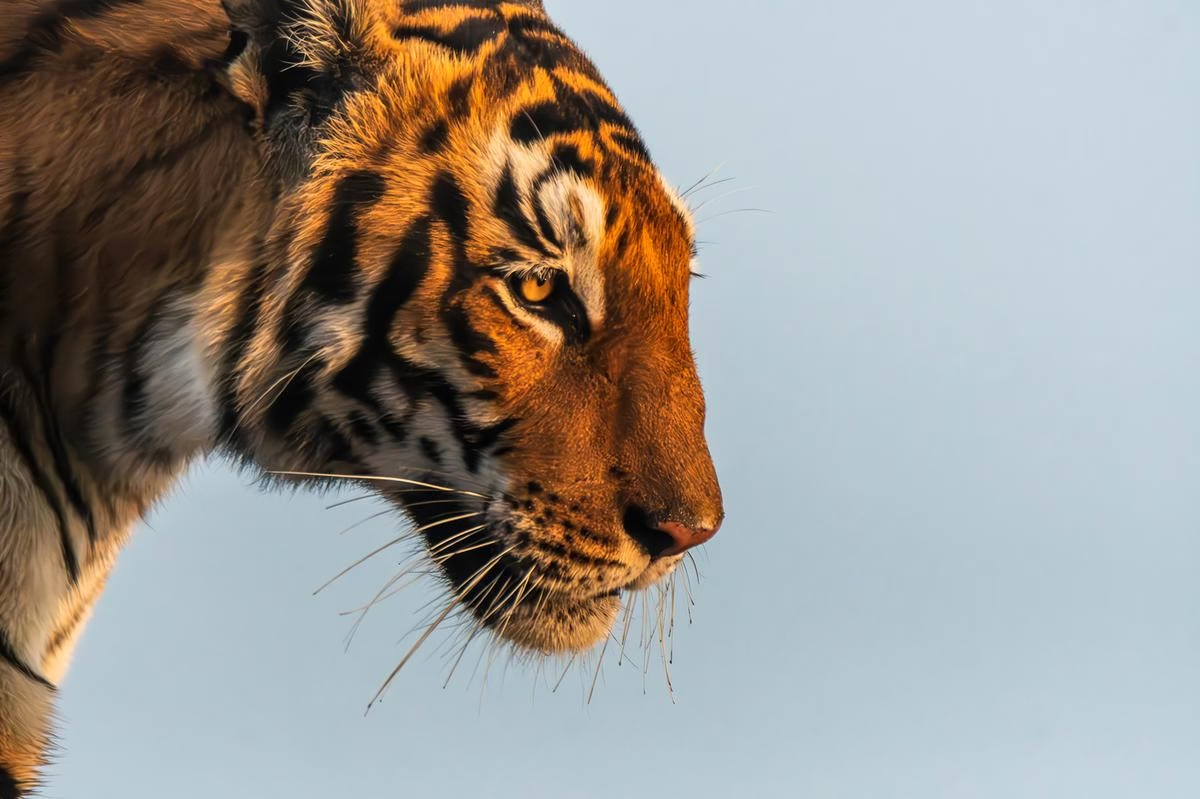
Image: A striking close-up of Barhai, a Bengal Tigress, displaying her intense gaze and unique stripe pattern.
Insights from Irfan Hussain: Understanding Bengal Tigers in the Wild
Immediately after our Barhai sighting, an intriguing incident unfolded. We heard a Barasingha wailing, not an alarm call, but continuous cries that soon ceased. Our driver, Irfan Hussain, with his decade of experience, confirmed our suspicions: Barhai had made a kill. Irfan shared invaluable insights into Bengal Tiger behavior. He explained that after a kill, a tiger typically rests for about half an hour. Barhai, he surmised, likely had cubs nearby and would return to them after her rest. If I had been alone, I would have waited. My companions’ decision to move on meant we missed a potential sighting of the tigress with her cubs – a small regret, but a significant lesson in patience.
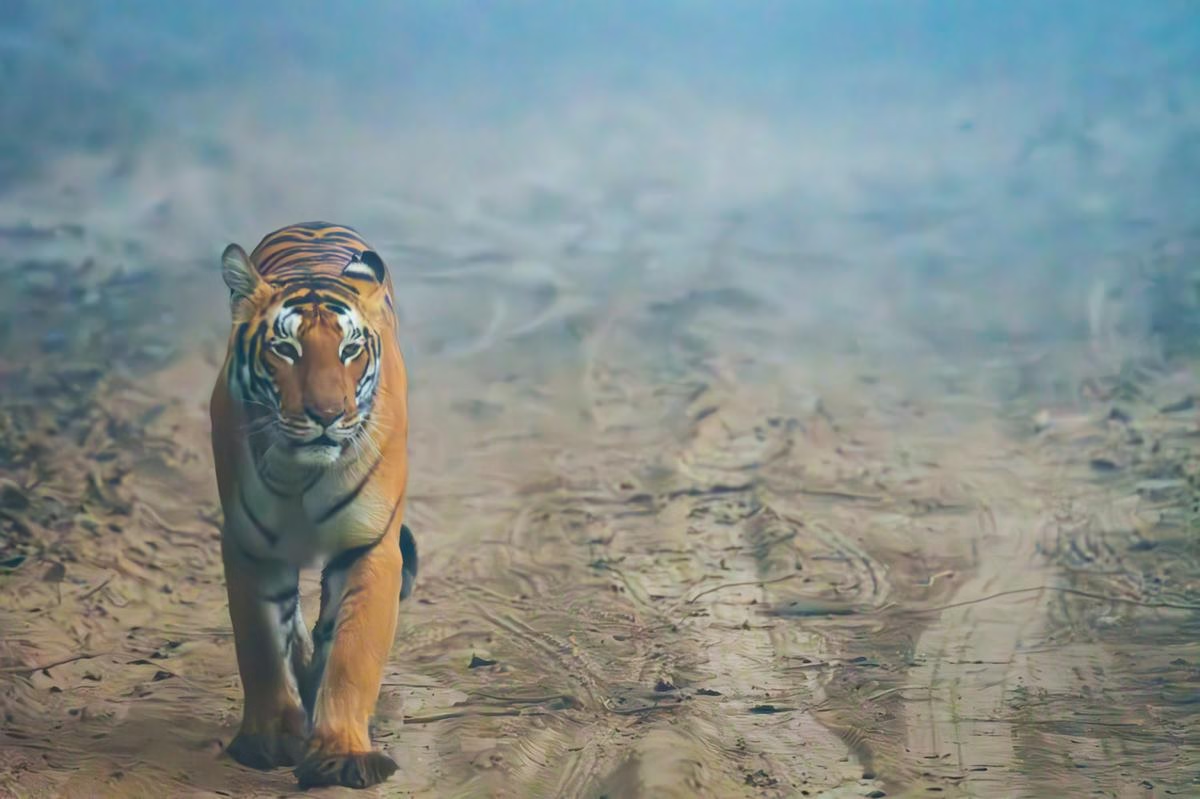
Image: Barhai, the Bengal Tigress, on the move, showcasing the power of a wild Bengal Tiger.
Irfan also shed light on the reserve’s policy: Pilibhit’s Bengal Tigers are not GPS-tracked. He cited the shared border with Nepal and poaching risks as reasons, a complex issue underscoring conservation challenges. For better tiger sightings, he advised visiting around May, before the reserve closes on June 15th for summer. In warmer months, Bengal Tigers are more active, often seen hunting and cooling off in canals. He wasn’t sure about university research collaborations, and my quick Google Scholar search confirmed limited academic focus on tigers or human-tiger conflict specifically in Pilibhit, a surprising gap given the importance of the Bengal Tiger population.
Looking Ahead: Documenting the Bengal Tiger’s World
This experience ignited a new passion within me. I’m keen to return for an extended stay (four to seven days) to document Irfan’s perspective and the intricate dynamics between drivers, guides, and tourists. His wealth of experience could offer unique insights into the lives of Bengal Tigers in the wild and the daily operations of the reserve. Understanding these human elements is as crucial as observing the wildlife itself for the future of the Bengal Tiger.
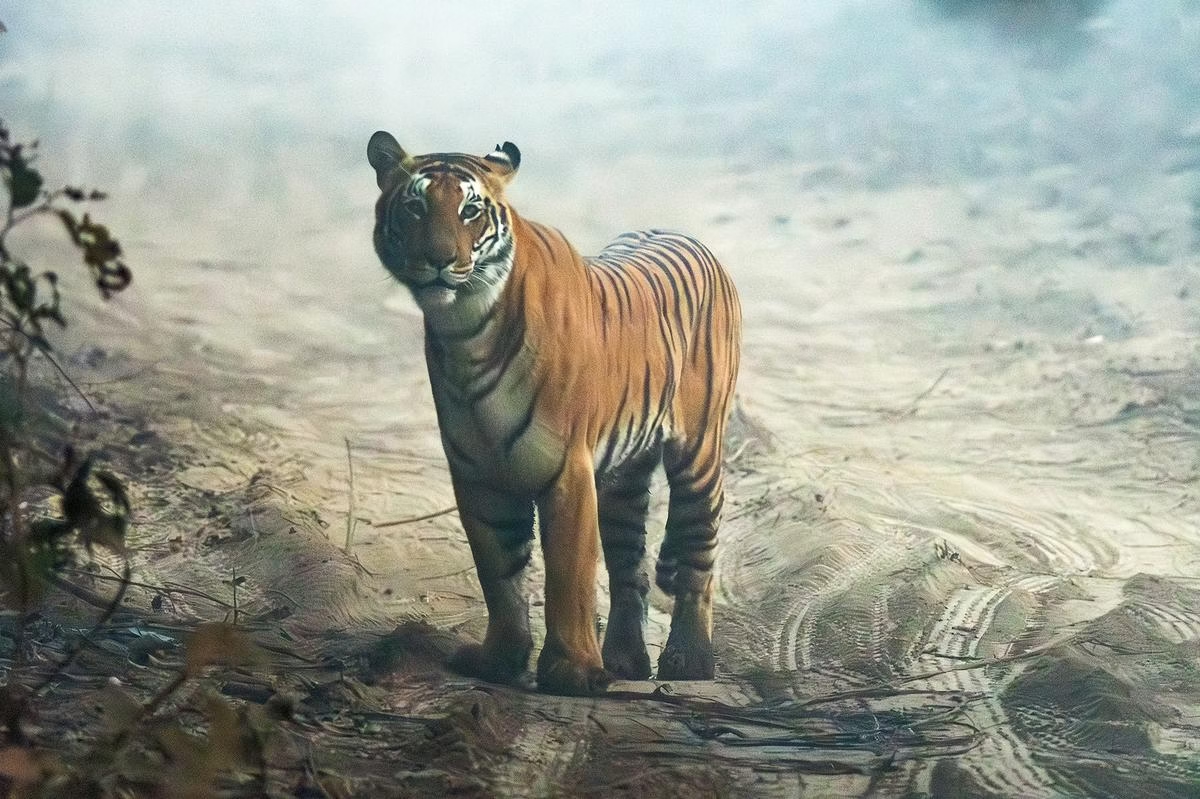
Image: A regal posture as Barhai, the Bengal Tigress, surveys her domain in Pilibhit Tiger Reserve.
Pilibhit Tiger Reserve: Essential Tips for Your Visit
- Winter Travel: Be extremely prepared for cold and wind. Cover your face thoroughly.
- Optimal Sighting Season: Consider visiting in May for higher chances of spotting a Bengal Tiger before the reserve closes in mid-June.
- Connectivity: The Suraiya range has no internet. Rely on government wireless services for emergencies.
- Homestay Realities: While hospitality at Jalaj Bagh is excellent, be prepared for minor power fluctuations.
- Conservation Insight: Remember, Pilibhit’s Bengal Tigers are not GPS-tracked, presenting unique conservation challenges.
- Research: Limited public research on Pilibhit’s tiger population; a potential area for future engagement for those interested in the Bengal Tiger.
Conclusion: A Roaring Success and Future Journeys
My trip to Pilibhit Tiger Reserve was a profound experience, culminating in the thrilling encounter with Barhai, a truly magnificent Bengal Tiger. It underscored the beauty, resilience, and vulnerability of these incredible creatures. Protecting their habitat, the Pilibhit Tiger Reserve, is paramount. Have you visited a tiger reserve? Share your stories below! If you enjoyed this post, please share it and check out my other wildlife adventures. Until next time, keep exploring and advocating for our wild world!