
When I landed back in India during the final week of November 2024, my world was a whirlwind of transitions. By December, I had stepped into my role as Associate Principal in Responsible AI at Accenture—a position that demands a deep focus on the future, ethics, and the complex mechanics of technology. Moving back and starting a high-impact role is exhilarating, but it’s also consuming. As January 2025 rolled around, my cameras sat in their bags, untouched. I wasn’t sure how I would balance the intensity of the boardroom with the patience required for the bush. For that first month, I didn’t travel at all. I stayed put, found my rhythm, and waited.
And then, something worked.
I realized that to be responsible for the future of AI, I needed to stay connected to the ancient, analog pulse of the natural world. This realization sparked a journey into the heart of off beat wildlife India, moving away from the crowded tiger circuits toward the quiet, rare corners of the country. Here are the six species that defined my 2025.
Olive Ridley Turtles
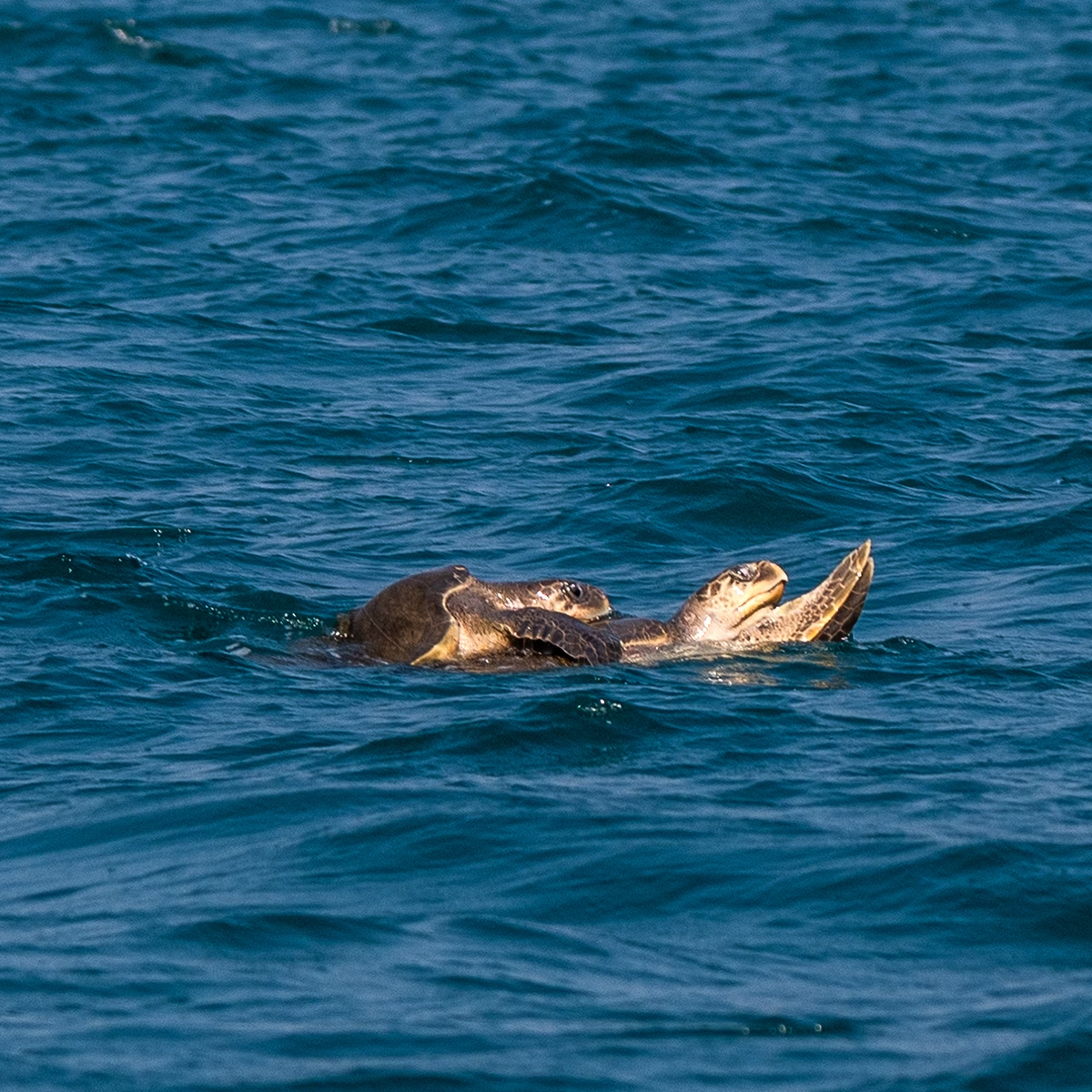
While Olive Ridleys are found across the globe, the Arribada (mass nesting) at the Rushikulya beach is a primal spectacle that a few could witness in person. Some time back, Souranil and I photographed the Olive Ridley Turtles mating.. and this year, luckily the mass nesting overlapped with a weekend. I reached Bhubaneshwar from Kolkata and Souranil from Hyderabad. Then we drove to the beach.
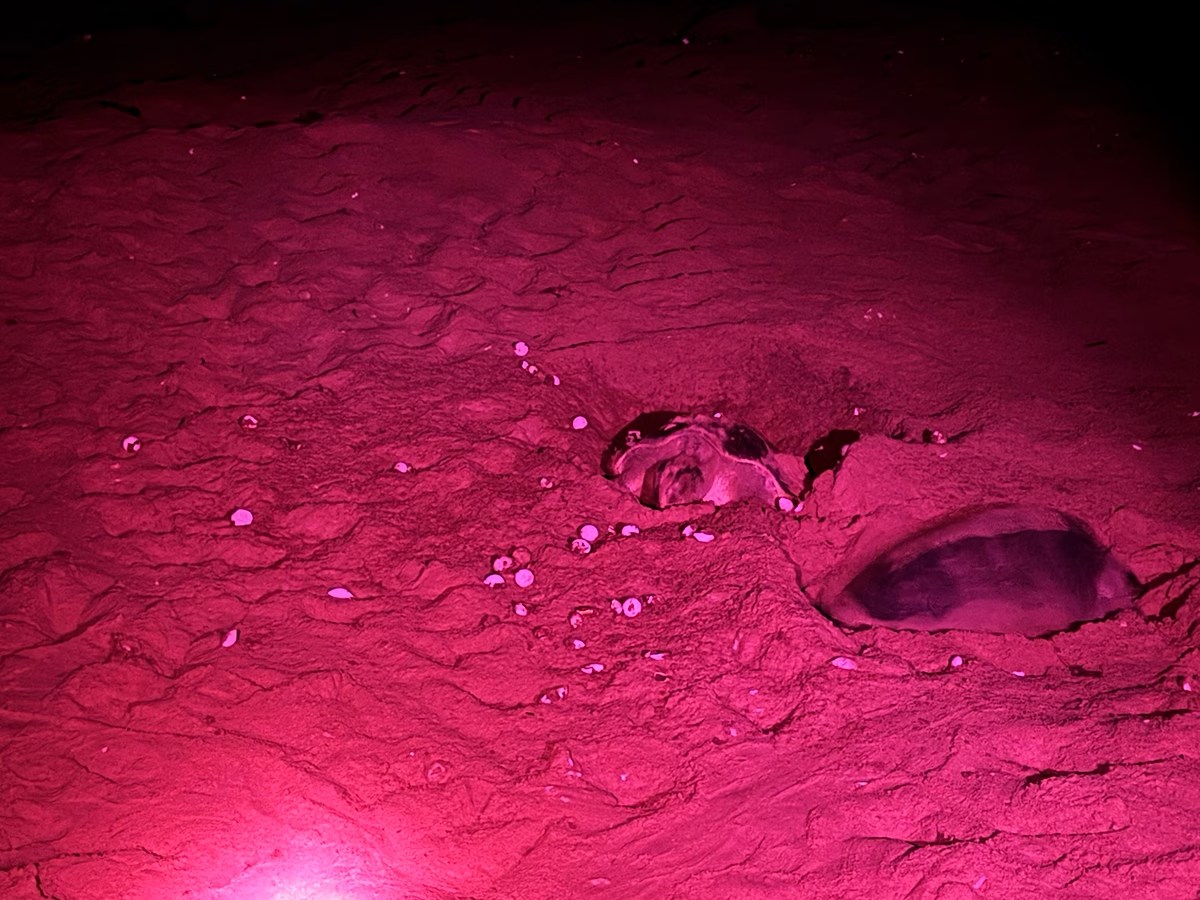
Witnessing thousands of mother turtles emerge from the surf simultaneously is an humbling experience. While it looks like they nest in large numbers, their numbers are decreasing and they are listed as “vulnerable” by IUCN. They are given protection by the Government in Odisha.
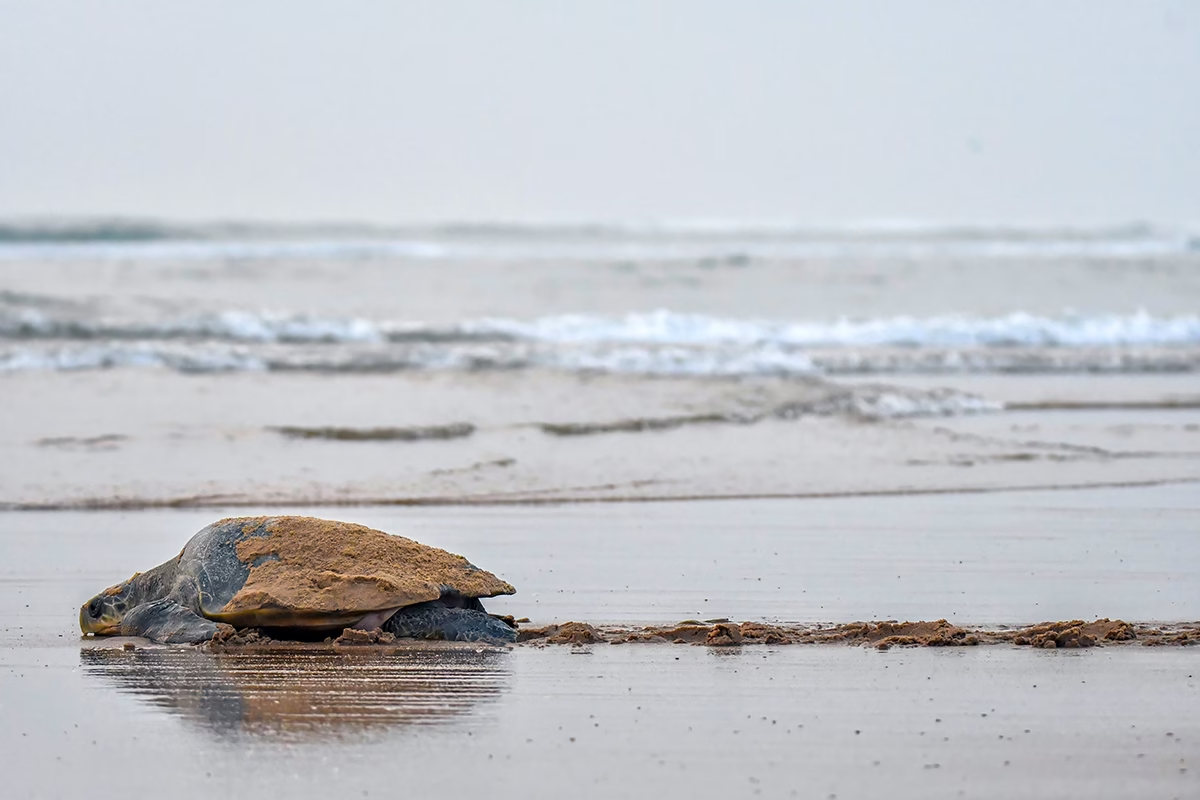
To see them mate and then to see them lay eggs, is sufficiently rare. Maybe in 2026, if everything goes well, we photograph baby Olive Ridley Turtles as well.
Hoolock Gibbons

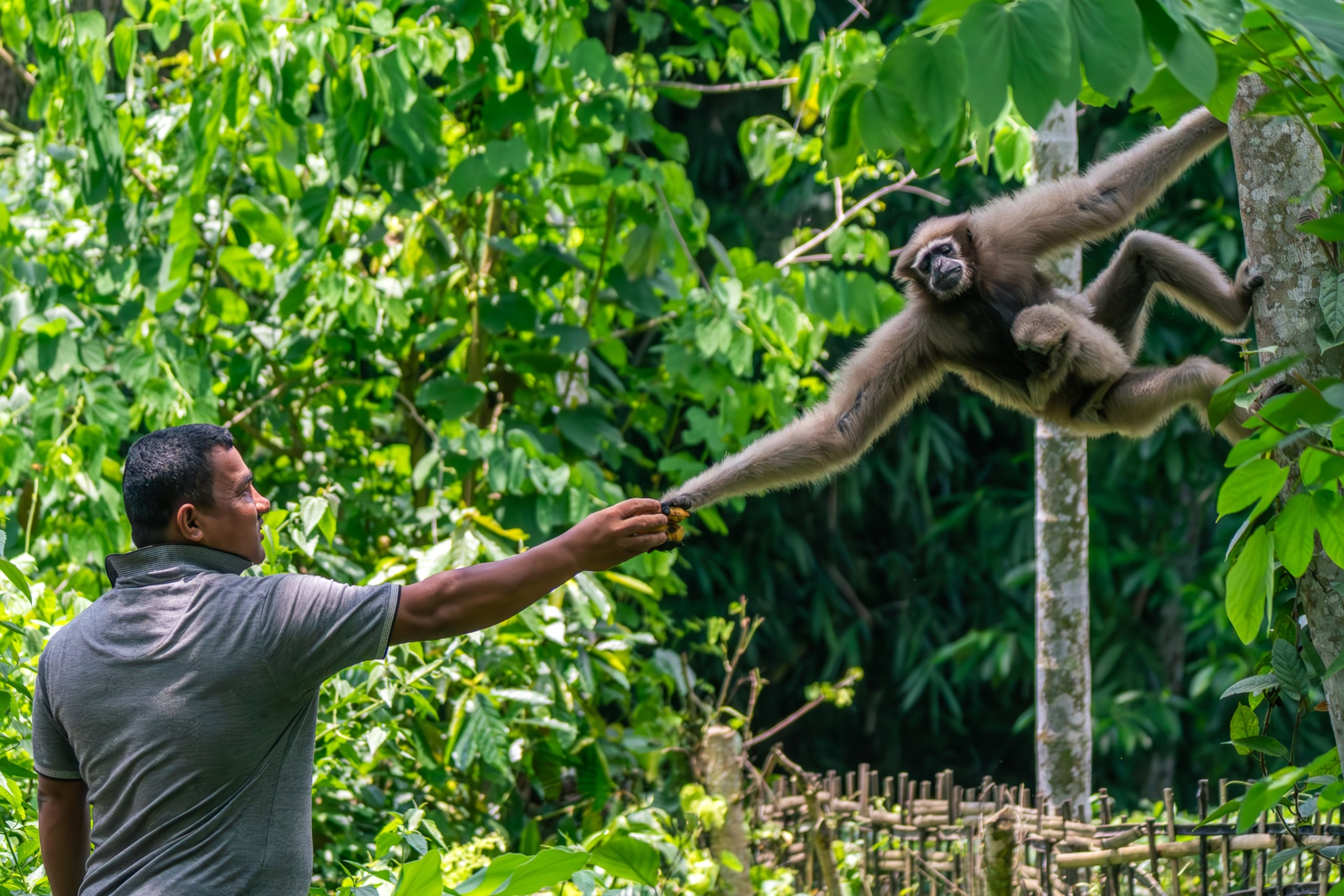
The only ape species in India, the Western Hoolock Gibbon is the soul of the Northeast rainforests! Souranil asked me if I would like to join him to visit the Gibbon Sanctuary near Jorhat in Assam. I said a yes, because why not? In the Hollongapar Sanctuary, they are wild and canopy-bound. The set up is a little different, but if you are lucky you could get to observe the Western Hoolock Gibbons, which are now listed as “endangered” by IUCN. Later, I travelled to Dehing Patkai National Park, and Kalpa took me to the village of Barekuri. In the village of Barekuri, they live in a unique, heartwarming symbiosis with the local community, swinging through backyard orchards. The Hoolock Gibbons are strictly arboreal and hardly ever touch the ground. Documenting their human-wildlife harmony in Barekuri offers a perspective you won’t find in a standard safari.
Austen’s Brown Hornbill
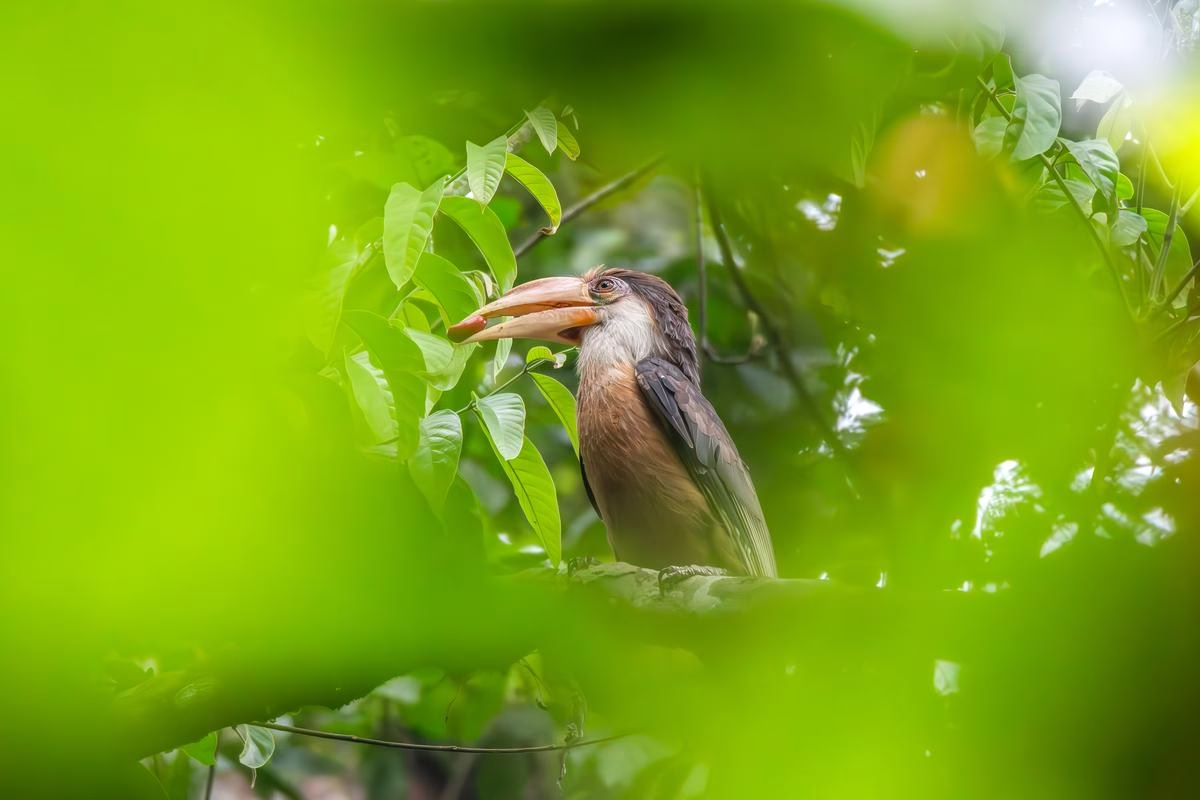
If there is a “ghost” in the “Amazon of the East,” it is the Austen’s Brown Hornbill. They are far more elusive and less vocal than other hornbills, making a clear sighting in the dense canopy of Dehing Patkai a significant achievement for any birder. IUCN lists them as “Near Threatened”.
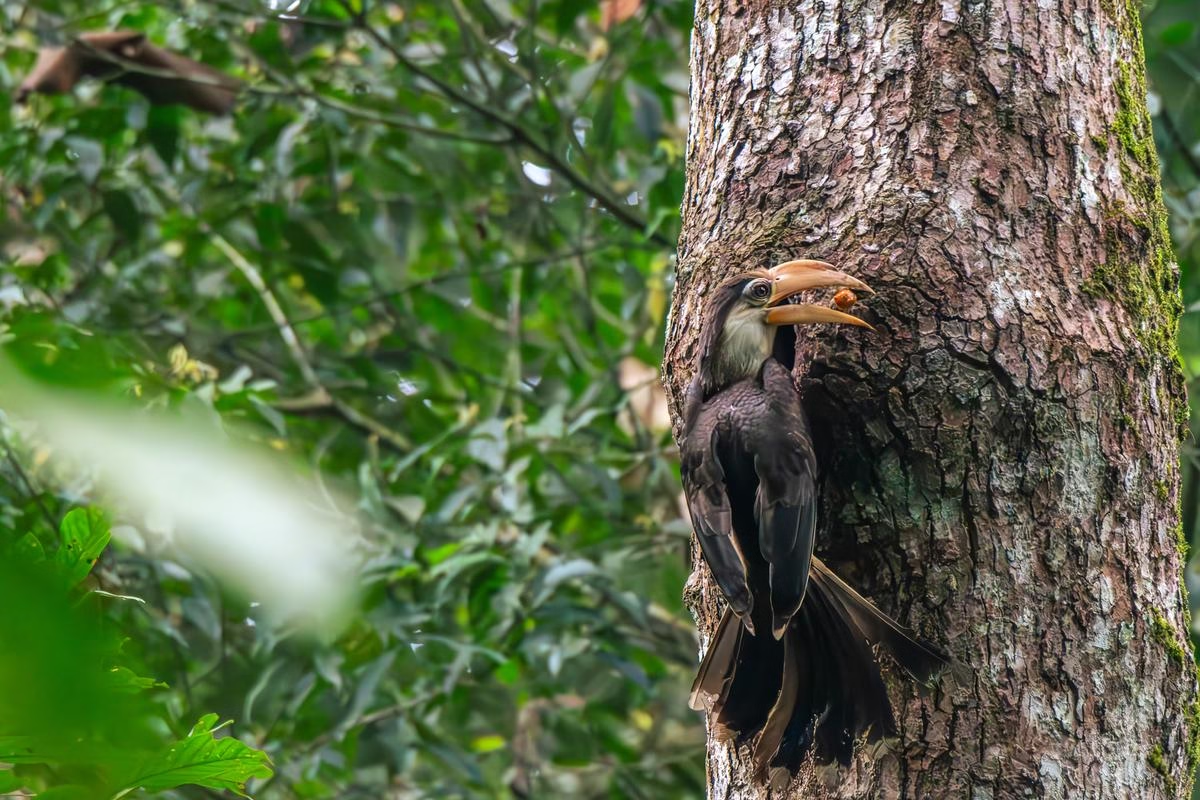
After the first trip to Assam to observe the Hoolock Gibbons, my friend from the university, Angshuman got me in touch with his friend, Kalpa, who owns a retreat at the Dehing Patkai. I got in touch with Kalpa and got to know about a probable nest of the Austen’s Brown Hornbill. What followed next was a hike and some wait, till the Hornbills flew to the spot.
Did you know: They are cooperative breeders. A dominant pair is assisted by “helpers” (usually previous male offspring) who help provide food while the female is sealed inside the tree cavity.
Golden Langur
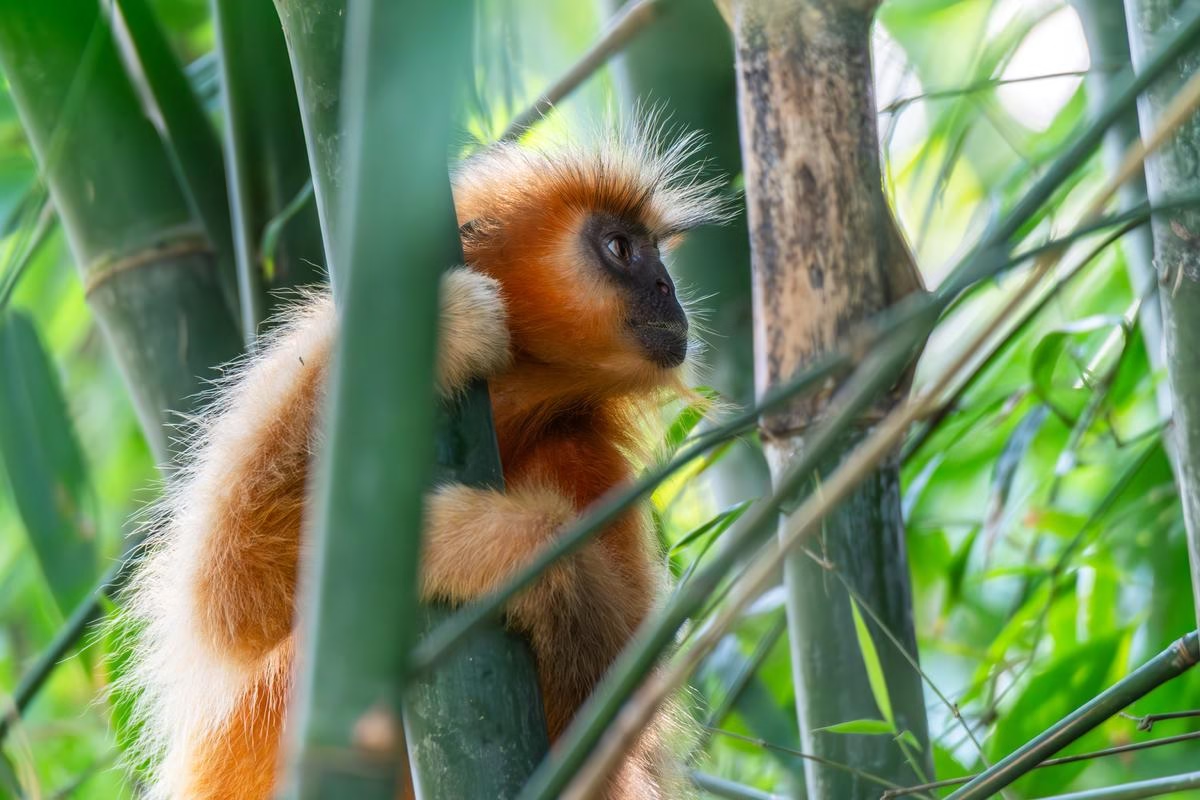
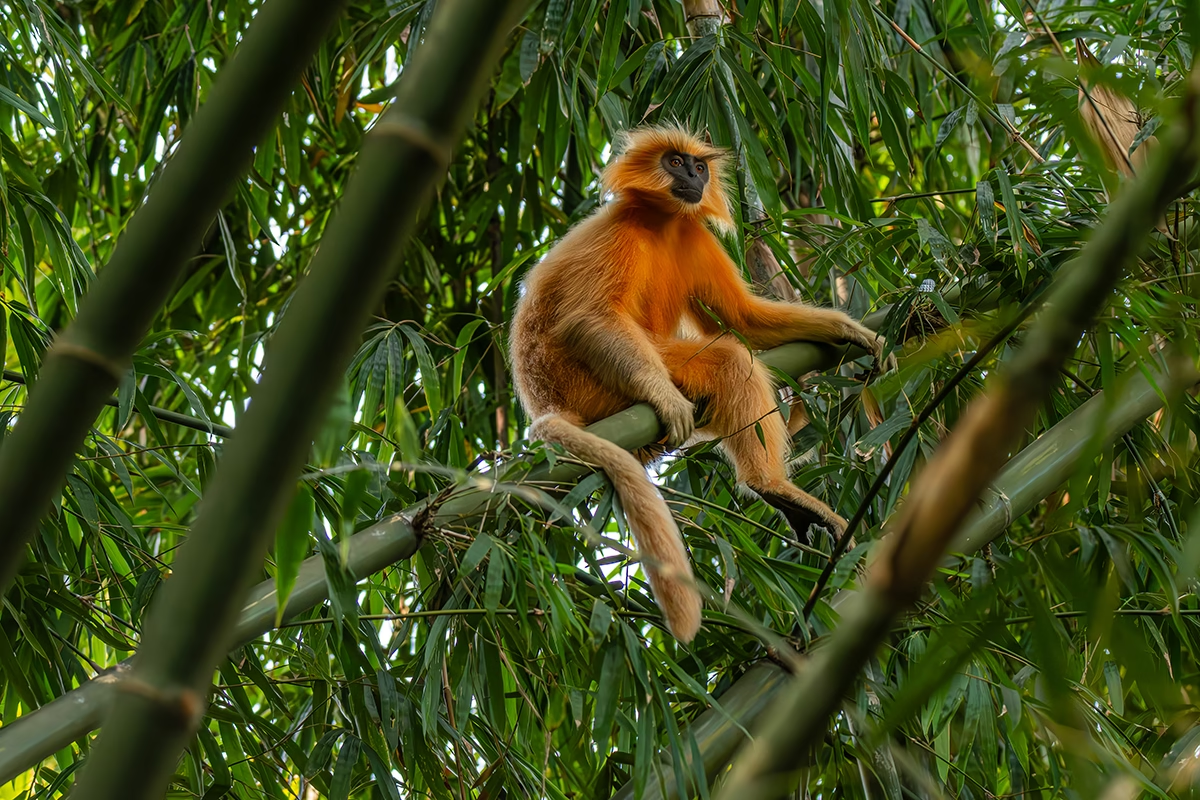
While reading more about the wildlife in the north east of India, I stumbled upon the Golden Langurs. They are only found in this tiny strip of land in the Assam (India) and Bhutan border. They live on the trees, do not mingle with human beings much, and have remained there from long before humans inhabited the place. They are super elusive, listed as “endangered”, and were officially recorded for the first time in 1950’s. With fur that glows like spun gold under the forest canopy, these are arguably the most beautiful primates on the planet.
Rufous-necked Hornbill
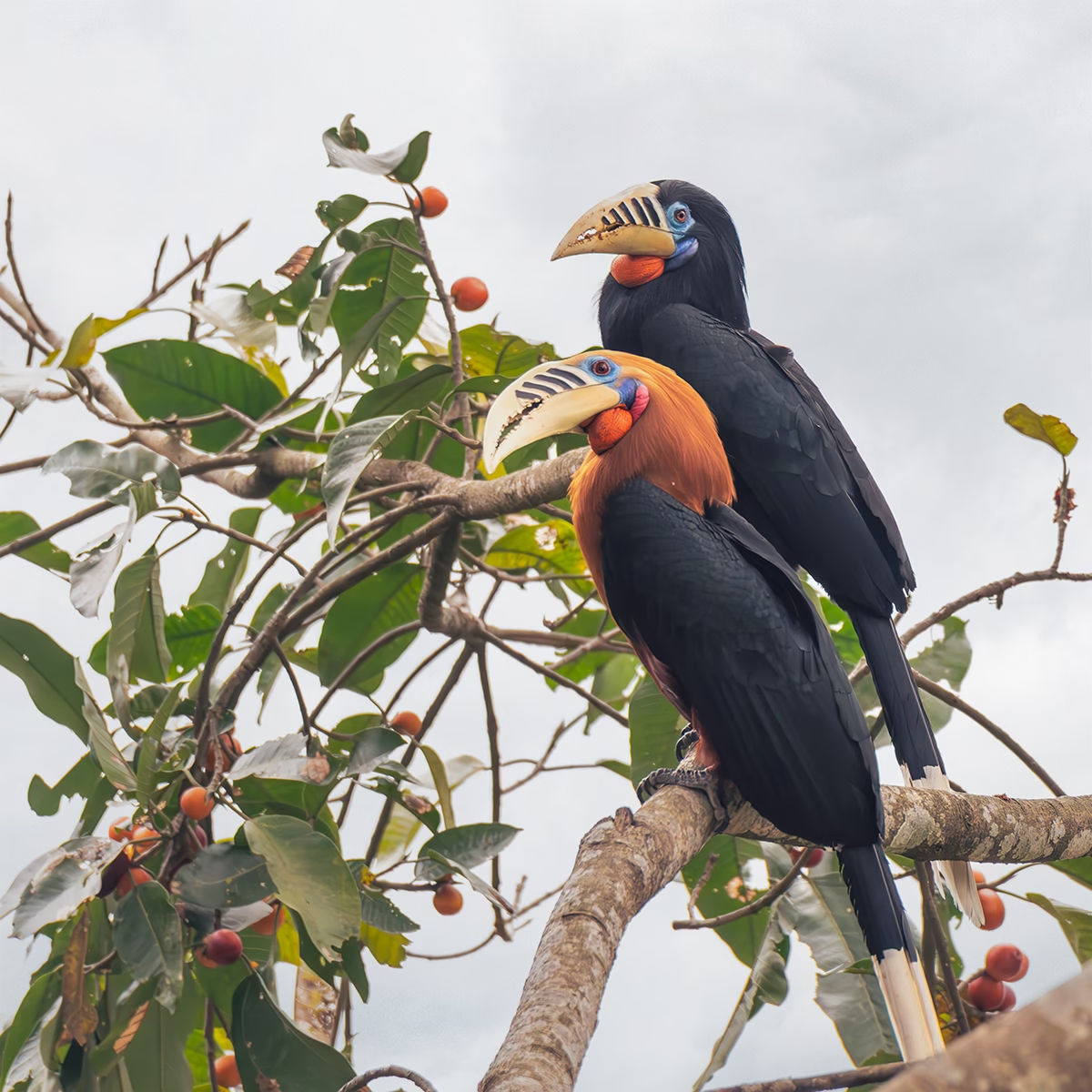
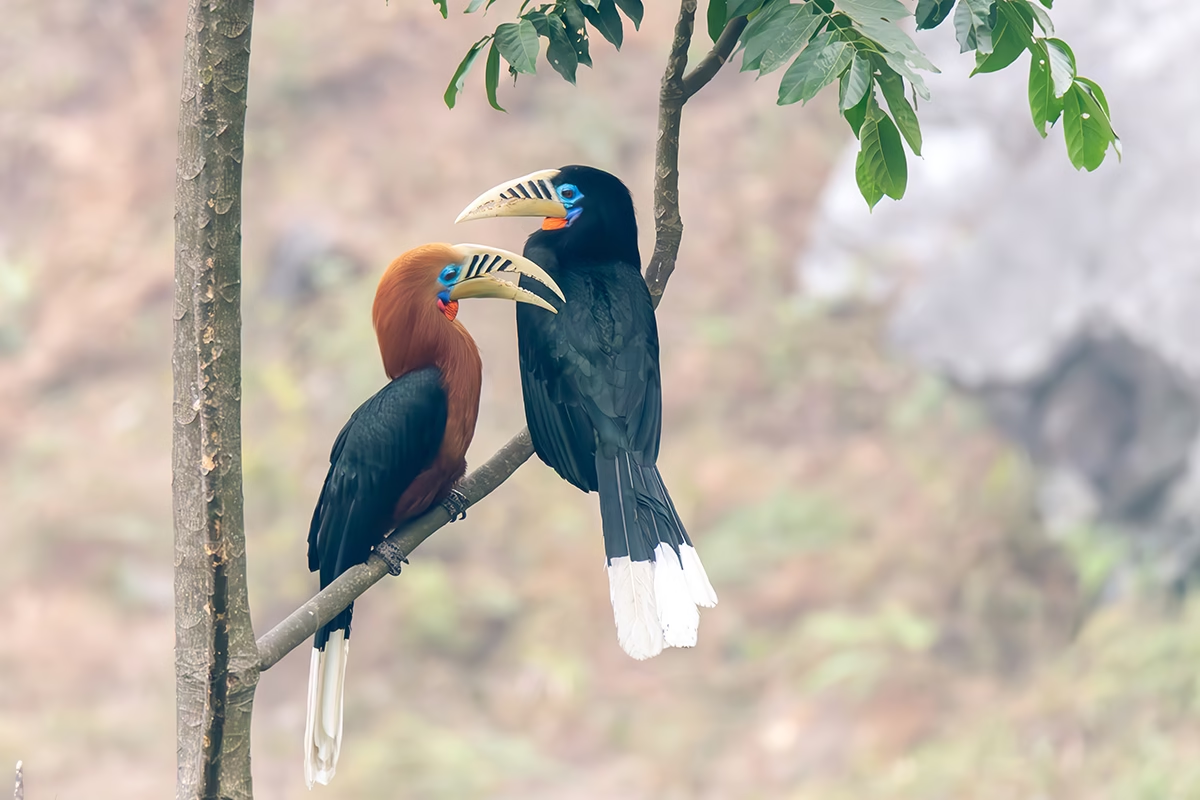
For the last few years, if I happen to be in India during March, I always visit Latpanchar. My guide is always Ujwal Rai, and a lot of people (including yours truly) believe he is the best!
What makes the Rufous-necked Hornbill special? While the Great Hornbill gets the fame, the Rufous-necked Hornbill is the true gem of the high-altitude foothills. They are locally extinct in some neighboring countries. Latpanchar is one of their last strongholds, where local conservationists guard their nesting trees with religious fervor.
Asian Small-clawed Otters
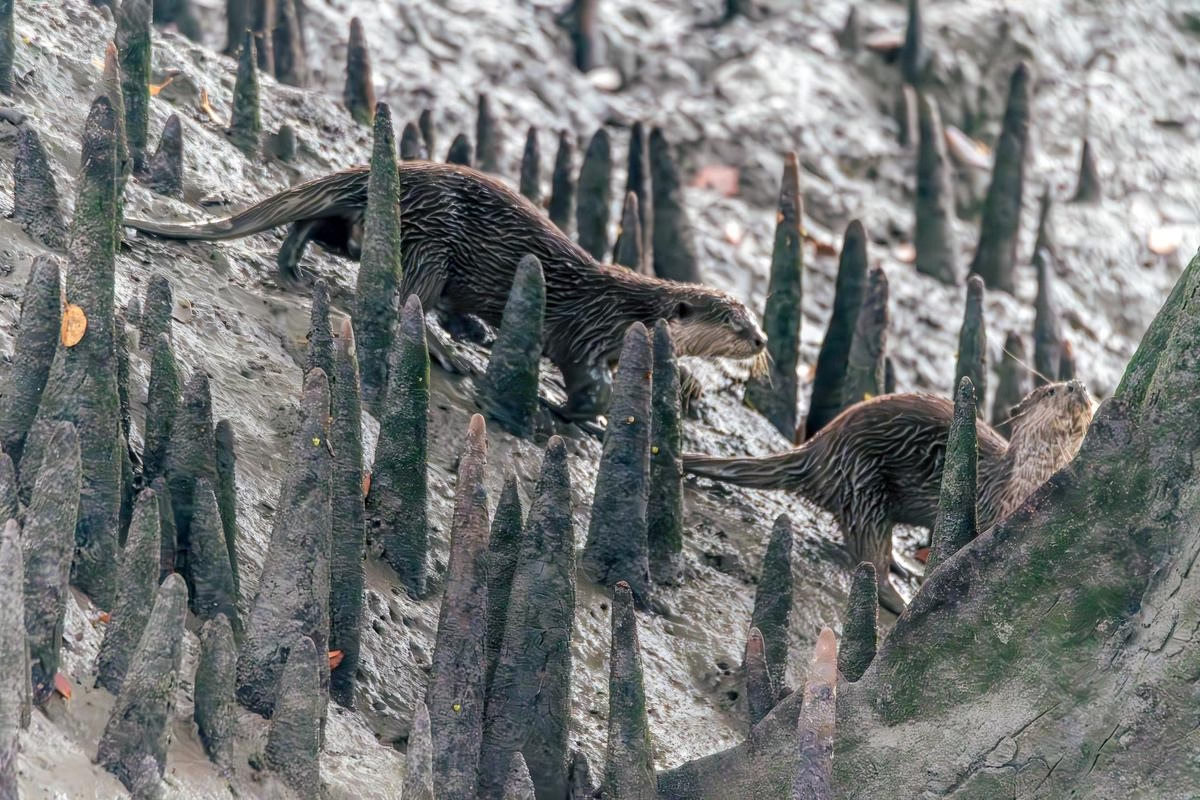
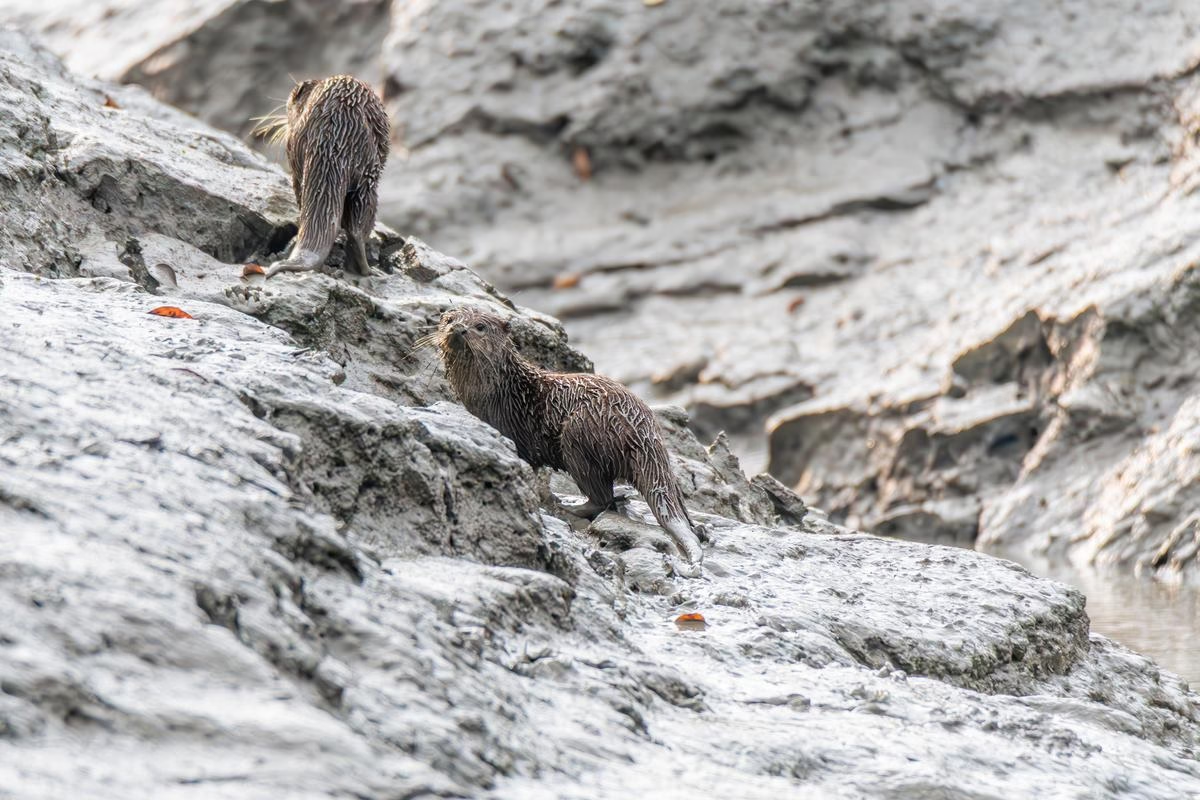
The Asian Small-clawed Otters are listed as “Vulnerable” by the IUCN. I was in Sunderbans and in the land of the tiger, we found the smallest otter in the world! These otters have sensitive, hand-like paws with vestigial claws, which they use to forage for crabs in the Sunderban mudflats. They are incredibly shy and blend perfectly with the mangrove roots. Spotting a couple of them exploring during low tide is a true test of a photographer’s luck and patience.
This year offered me a lot of situations which I was not prepared for; returning to India, working in an Indian set up, living with my parents who are around and over 70, home renovation, the idea that I might never go back to Germany, etc. These wildlife photography encounters have provided the balance I needed. I travelled to places this year apart from the ones I have mentioned here; of which twice were to the Western Ghats (Bhigwan and Saswad). I’d probably write about them later.
Exploring the wild is a little more than photographing tigers, lions, or even leopards. They are important without a doubt, but maybe we should spend some time exploring the ones which are slightly off beat.
Please share this blog post with your friends and on social media, if you believe this deserves a share. And please get in touch with me if you would like to join me in a couple of trips in 2026. PS: I would photograph Tigers in 2026.
- 5 Elephant facts that Data Scientists told us! - October 4, 2026
- Olive Ridley Turtles at the Rushikulya Beach. - May 11, 2026
- Off-beat Wildlife Photography in India: 6 Species from Rushikulya to Dehing Patkai (2025) - December 30, 2025