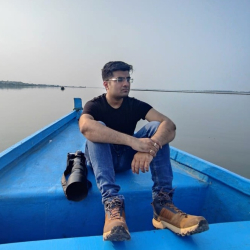
My Trip to Find the Lesser Adjutant Stork
Guess what? I went to a super cool place called Sundarbans National Park! It’s like a giant forest with lots of water. I went with my brother and some friends. We wanted to see some awesome birds, especially the Lesser Adjutant Stork. It’s a really big bird!
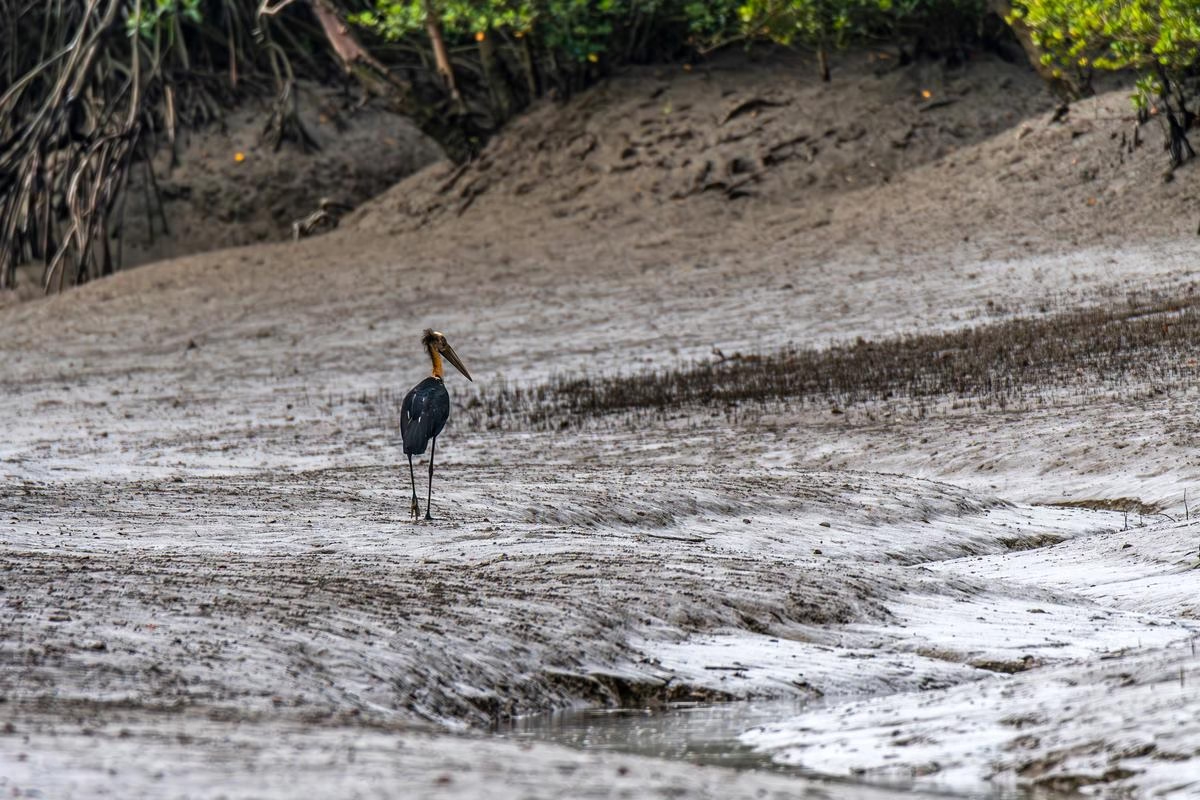
Lesser Adjutant in Sundarbans National Park
What is a Lesser Adjutant Stork?
The Lesser Adjutant Stork is a big bird with long legs and a long beak. It likes to live near water. They are really tall!
Where does it live?
They live in places like India, and especially in the Sundarbans. They like muddy places and forests.
What does it eat?
The Lesser Adjutant Stork eats fish, frogs, and other small animals that live in the water.
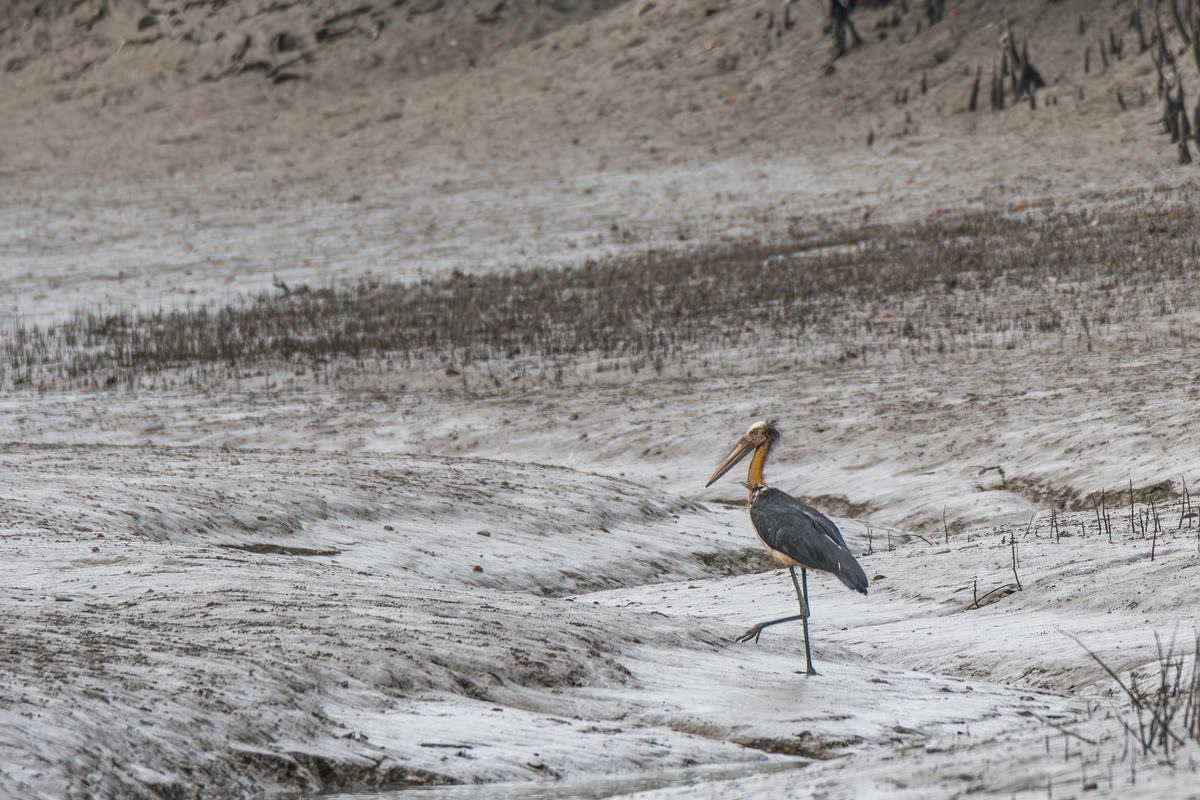
Lesser Adjutant Stork in Sundarbans National Park
My Adventure!
We saw the Lesser Adjutant Stork standing in the mud. It was so cool! It looked like it was searching for food. We also saw other birds and even an otter!
Fun Fact!
The Lesser Adjutant Stork likes to walk around in the mud to find food in the Sundarbans.
Would you like to go?
If you ever go to Sundarbans, try to find the Lesser Adjutant Stork! It’s a super bird! Remember to be quiet and look carefully.
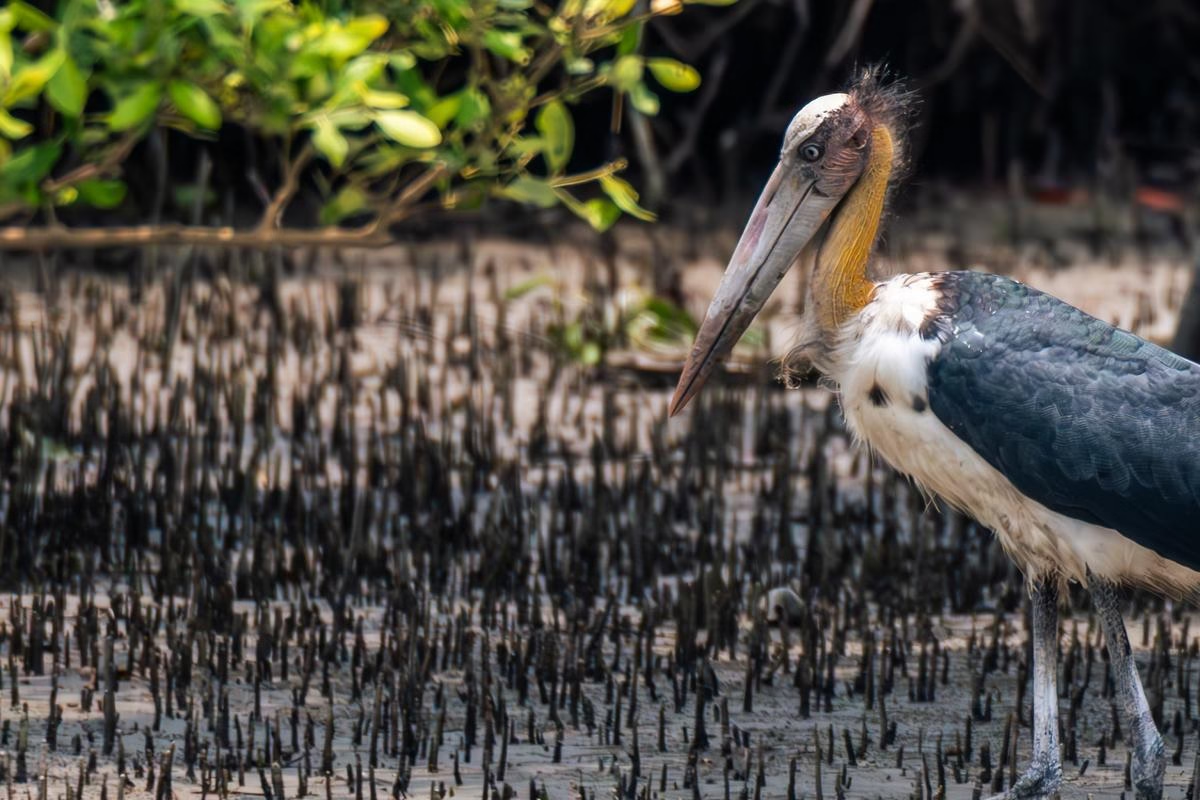
Another Lesser Adjutant in Sundarbans National Park
Our guide, Amit Biswas, helped us find the birds. He knows a lot about the Sundarbans!
It was an amazing trip. I hope you can go someday too!
Into the Wild: Searching for the Lesser Adjutant Stork in Sundarbans
Sundarbans National Park, April 30, 2025. The air hung thick with humidity, a symphony of bird calls echoing through the mangrove forest. My brother, Souranil, and our friends Avichal, Siddharth, and Sounak, embarked on a journey to escape the digital noise and reconnect with nature. Our primary goal? To spot the majestic Lesser Adjutant Stork. This blog post details our three-day adventure, highlighting the challenges, the triumphs, and the sheer beauty of the Sundarbans.
A Lesser Adjutant stands tall in Sundarbans National Park.
The Allure of the Lesser Adjutant Stork
The Lesser Adjutant Stork (Leptoptilos javanicus) is a magnificent bird, a member of the stork family (Ciconiidae). Known for its imposing stature and scavenging habits, this species holds a unique place in the ecosystem. Seeing one in its natural habitat is a truly rewarding experience. The Lesser Adjutant Stork is a bird that one needs to search for and is also called ‘ছোট মদনটাক’ in Bengali.
Sundarbans: A Haven for Wildlife
The Sundarbans, a UNESCO World Heritage site, is a sprawling mangrove forest at the delta of the Ganges, Brahmaputra and Meghna rivers. It’s a biodiversity hotspot, teeming with a diverse range of flora and fauna. While famous for its tigers, the Sundarbans offers a plethora of avian delights, including the elusive Lesser Adjutant Stork.
Our Adventure Begins
Guided by Amit Biswas, a local expert, we navigated the intricate waterways of the Sundarbans. Amit’s knowledge of the terrain and its inhabitants proved invaluable. While our primary goal was to photograph the Lesser Adjutant Stork, we remained open to experiencing all that the Sundarbans had to offer.
The Quest for the Stork: Our Encounters
Over the three days, we were fortunate enough to observe the Lesser Adjutant Stork on multiple occasions. The first sighting was particularly memorable. As we rounded a bend in the river, there it stood, a solitary figure against the backdrop of the mangrove forest. The bird was wading in the mud, its long beak probing for food.
A Lesser Adjutant Stork in its natural habitat within Sundarbans National Park.
We observed that the Lesser Adjutant Stork often forages in intertidal mudflats, searching for fish, crustaceans, and amphibians exposed during low tide. This adaptation enables them to thrive in the mangrove’s unique ecosystem. The Lesser Adjutant Stork’s IUCN status should be carefully monitored.
Other Notable Sightings
While the Lesser Adjutant Stork was the star of the show, we encountered other fascinating creatures. An Asian small-clawed otter frolicked in the water, and we even spotted a juvenile king cobra slithering through the undergrowth. Birding highlights included sightings of the vibrant Orange-breasted Flowerpecker.
Photographing the Lesser Adjutant Stork: Tips and Tricks
Capturing the perfect shot of the Lesser Adjutant Stork requires patience and preparation. Here are a few tips:
- Use a telephoto lens: This will allow you to capture detailed shots from a distance, minimizing disturbance to the bird.
- Be patient: The Lesser Adjutant Stork can be elusive, so be prepared to wait for the right moment.
- Consider the light: Early morning and late afternoon offer the best lighting conditions.
- Respect the environment: Avoid getting too close to the bird or disturbing its habitat.
Another view of a Lesser Adjutant in Sundarbans National Park, showcasing its natural habitat.
Lessons Learned
Our trip to the Sundarbans was more than just a birding adventure; it was a reminder of the importance of conservation. The Lesser Adjutant Stork, like many other species in the Sundarbans, faces threats from habitat loss and human disturbance. It’s crucial that we support efforts to protect this unique ecosystem.
Final Thoughts: Planning Your Trip
If you’re planning a trip to the Sundarbans to see the Lesser Adjutant Stork, here are a few recommendations:
- Best time to visit: November to February offers pleasant weather.
- Hire a guide: A knowledgeable guide like Amit Biswas (contact details available upon request) can greatly enhance your experience.
- Pack appropriately: Bring comfortable clothing, insect repellent, and a good pair of binoculars.
Our trip to the Sundarbans was a success! The opportunity to witness the Lesser Adjutant Stork in its natural habitat was an unforgettable experience. Share your thoughts and experiences in the comments below!