Hi everyone! Guess what? I went to a super cool place called Sundarbans National Park with my brother Souranil on April 28, 2025. We went there to see animals and birds, and we saw something AMAZING: the Asian Small-Clawed Otter! In Bengali, they are called “Bhodor.”
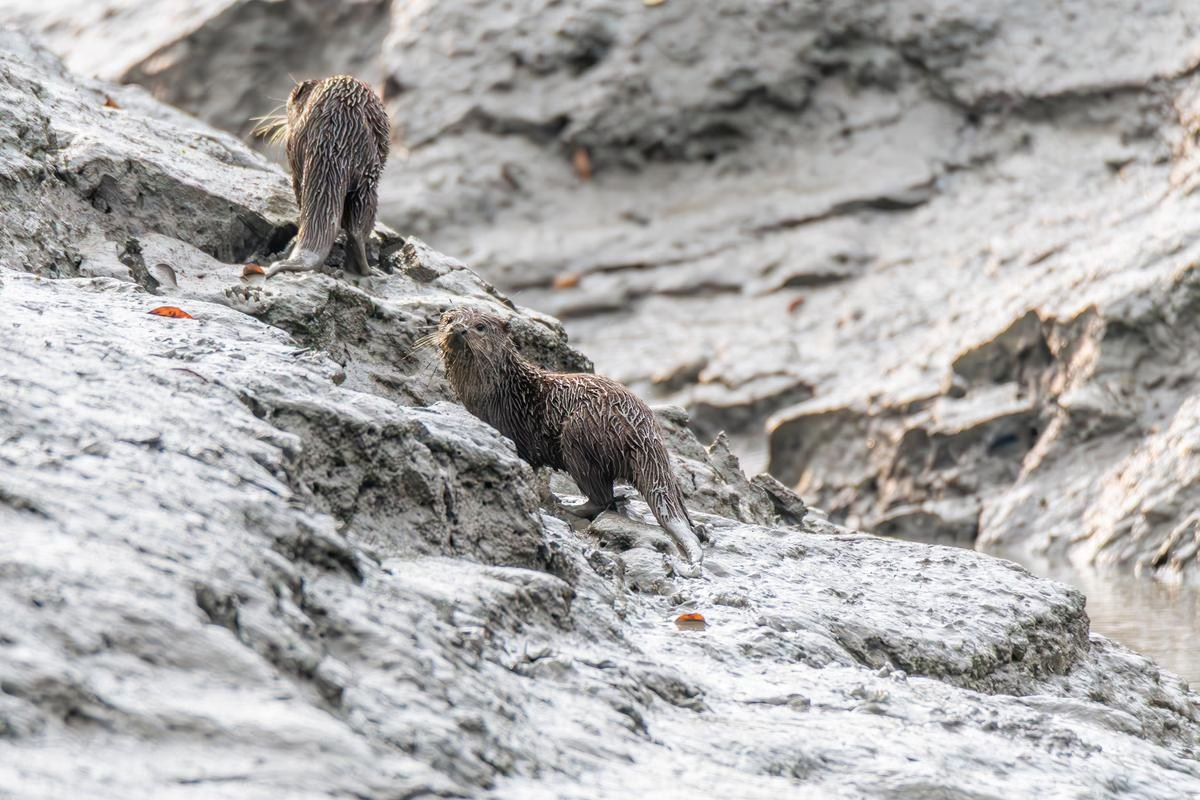
Asian Small-Clawed Otter in Sundarbans National Park
What are Asian Small-Clawed Otters?
Asian Small-Clawed Otters are really small and cute! They live near water and like to eat crabs and other little animals. They have super cool paws that help them catch food. The Asian Small-Clawed Otter are the smallest otter species in the world!
Where Do They Live?
These otters love to live in places like Sundarbans, where there are lots of mangrove trees and muddy areas. Mangroves are special trees that grow near the water. The Asian Small-Clawed Otter habitat needs these trees to survive.
What Did We See?
We saw lots of Asian Small-Clawed Otters playing in the mud! One was walking near the water, looking for food. Two others were climbing on rocks. It was so much fun to watch the Asian Small-Clawed Otter!
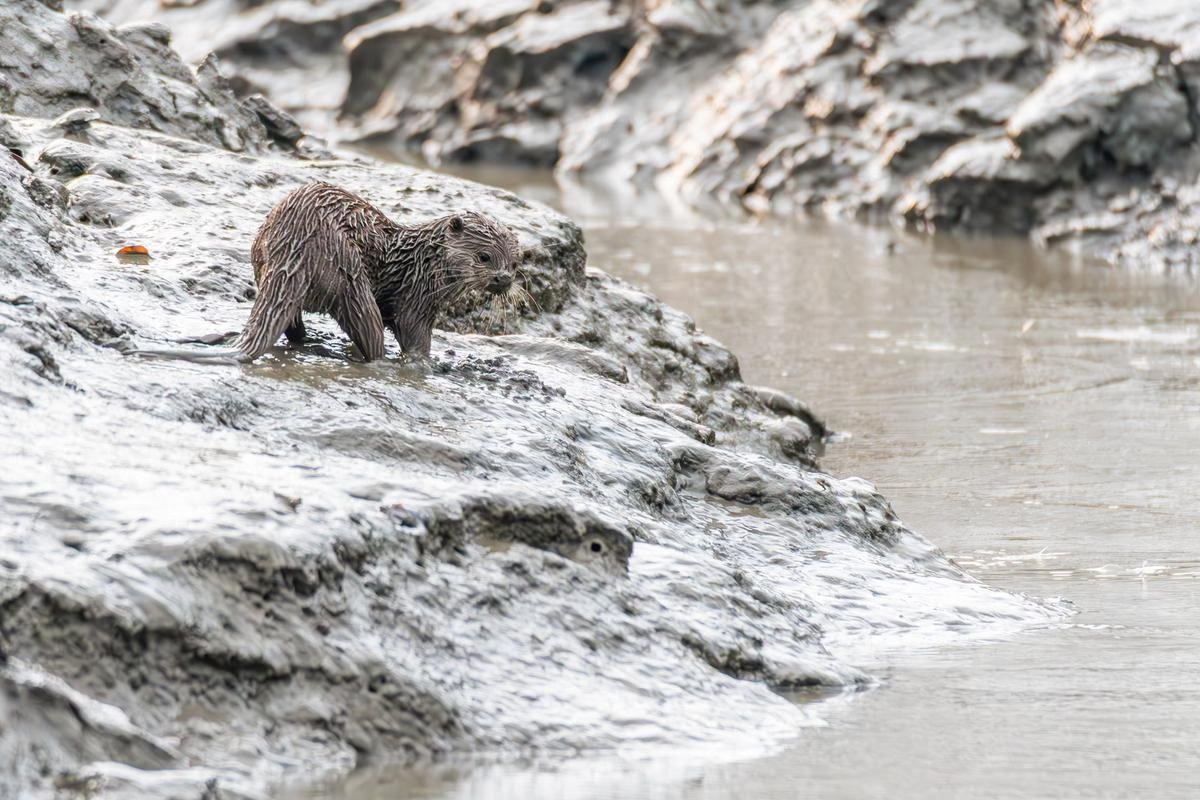
Asian Small-Clawed Otter on muddy banks of river in Sundarbans National Park
Fun Asian Small-Clawed Otter Facts!
- Asian Small-Clawed Otters use their paws to find food!
- They help keep the environment healthy by eating crabs and shellfish.
Want to Visit?
If you want to see Asian Small-Clawed Otters, you should visit Sundarbans National Park! Remember to be quiet and respectful of their home.
I hope you liked hearing about my adventure! See you next time!
Chasing Shadows and Spotting Asian Small-Clawed Otters in Sundarbans National Park
On April 28, 2025, my brother Souranil and I embarked on a journey to the mystical Sundarbans National Park. Our mission: to witness the diverse wildlife, specifically the elusive Asian Small-Clawed Otter. Known locally as “Bhodor” in Bengali, these creatures are a testament to the unique biodiversity of this mangrove ecosystem. This blog post details our experience, offering insights into observing these fascinating animals and understanding their critical role in the Sundarbans.
Asian Small-Clawed Otter in Sundarbans National Park
The Allure of the Asian Small-Clawed Otter
The Asian Small-Clawed Otter (Aonyx cinereus) is the smallest otter species globally, captivating wildlife enthusiasts with its playful nature and crucial ecological role. Their Asian Small-Clawed Otter habitat primarily consists of mangrove forests, freshwater wetlands, and coastal areas in South and Southeast Asia. These otters are highly social, living in family groups and communicating through a variety of vocalizations. We were incredibly fortunate to observe five individuals during our trip. The Asian Small-Clawed Otter size is also something to note, these are tiny as compared to other otters.
Our Sundarbans Expedition: A Detailed Account
Our trip focused on exploring the intricate waterways and mudflats where the Asian Small-Clawed Otter thrive. We were particularly interested in witnessing their foraging behavior and social interactions. We are sure that you will be interested in Asian Small-Clawed Otter baby photos, but we did not find any in the national park.
First Encounter: Muddy Banks and Curious Eyes
Our initial sighting involved an Asian Small-Clawed Otter cautiously navigating the muddy banks of a river. It paused, seemingly assessing its surroundings before slipping into the water. The otter’s presence highlighted the delicate balance of the Sundarbans ecosystem, where these creatures play a vital role in controlling populations of crabs, shellfish, and other aquatic animals.
Asian Small-Clawed Otter on muddy banks of river in Sundarbans National Park
Family Dynamics: Uphill Climbs and Alert Poses
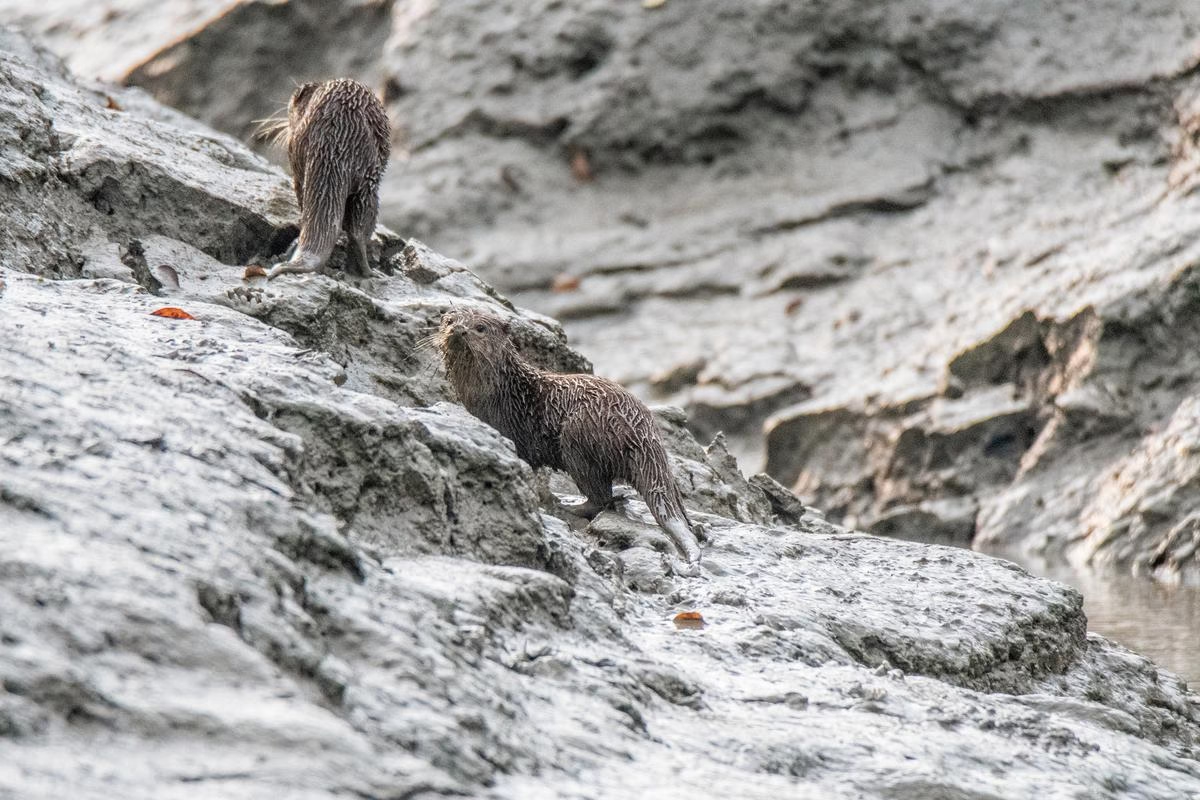
Later, we observed two Asian Small-Clawed Otters on a muddy, rocky slope. One was walking uphill, showcasing its dark brown fur, while the other faced us, exhibiting an alert and curious expression. These interactions emphasized the social nature of these otters and their adaptability to the challenging terrain of the Sundarbans. One must keep in mind the Asian Small-Clawed Otter lifespan.
Mangrove Explorers: Foraging Among the Roots
Another memorable sighting involved an Asian Small-Clawed Otter exploring a muddy mangrove habitat. The otter moved low to the ground, weaving through mangrove roots in search of crabs and mollusks. This behavior highlighted their dependence on the mangrove ecosystem and their role in maintaining its health. The Asian Small-Clawed Otter are very important to the ecosystem.
Asian Small-Clawed Otter walking through a muddy mangrove habitat in Sundarbans National Park
Navigating Pneumatophores: Mudflat Adventures
Our final encounter involved two Asian Small-Clawed Otters walking among pneumatophores (aerial roots) in a muddy environment. These otters skillfully navigated the complex root systems, demonstrating their adaptation to the intertidal zones of the Sundarbans. Their presence indicated a thriving estuarine environment and their crucial role in the ecosystem. If you want to see the Asian Small-Clawed Otter planet zoo, then you should plan accordingly.
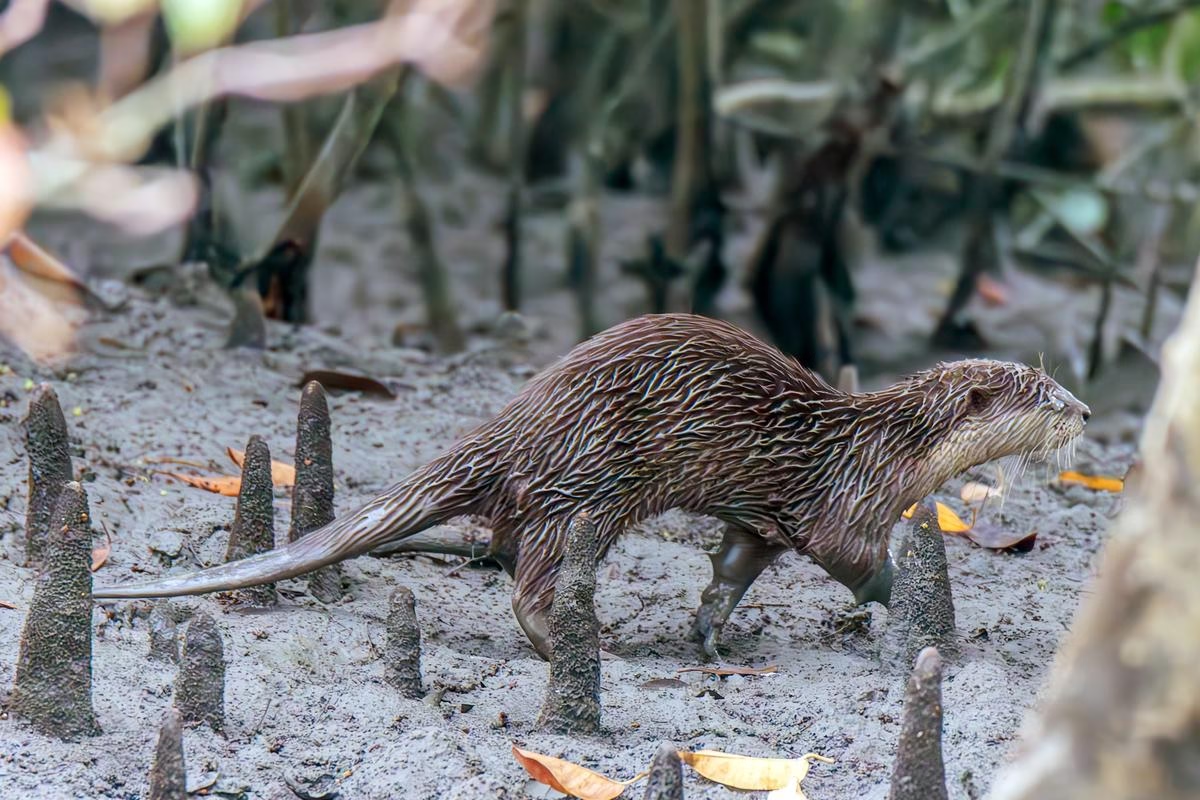
Two Asian Small-Clawed Otters walking among pneumatophores in Sundarbans National Park
Tips for Spotting Asian Small-Clawed Otters in Sundarbans
- Timing: Visit during the early morning or late afternoon when otters are most active.
- Patience: Be patient and observe quietly. Otters are shy and easily disturbed.
- Local Guides: Hire a local guide who knows the area well and can help you spot wildlife.
- Respect: Maintain a safe distance and avoid disturbing their natural behavior.
The Importance of Conservation
The Asian Small-Clawed Otter faces numerous threats, including habitat loss, poaching, and pollution. Conservation efforts are crucial to protect these animals and their habitat. Supporting organizations working in the Sundarbans can help ensure the long-term survival of these incredible creatures. It’s important to note that discussions of things like asian small clawed otter for sale and asian small clawed otter pet are often unethical and can be illegal, as it endangers their conservation.
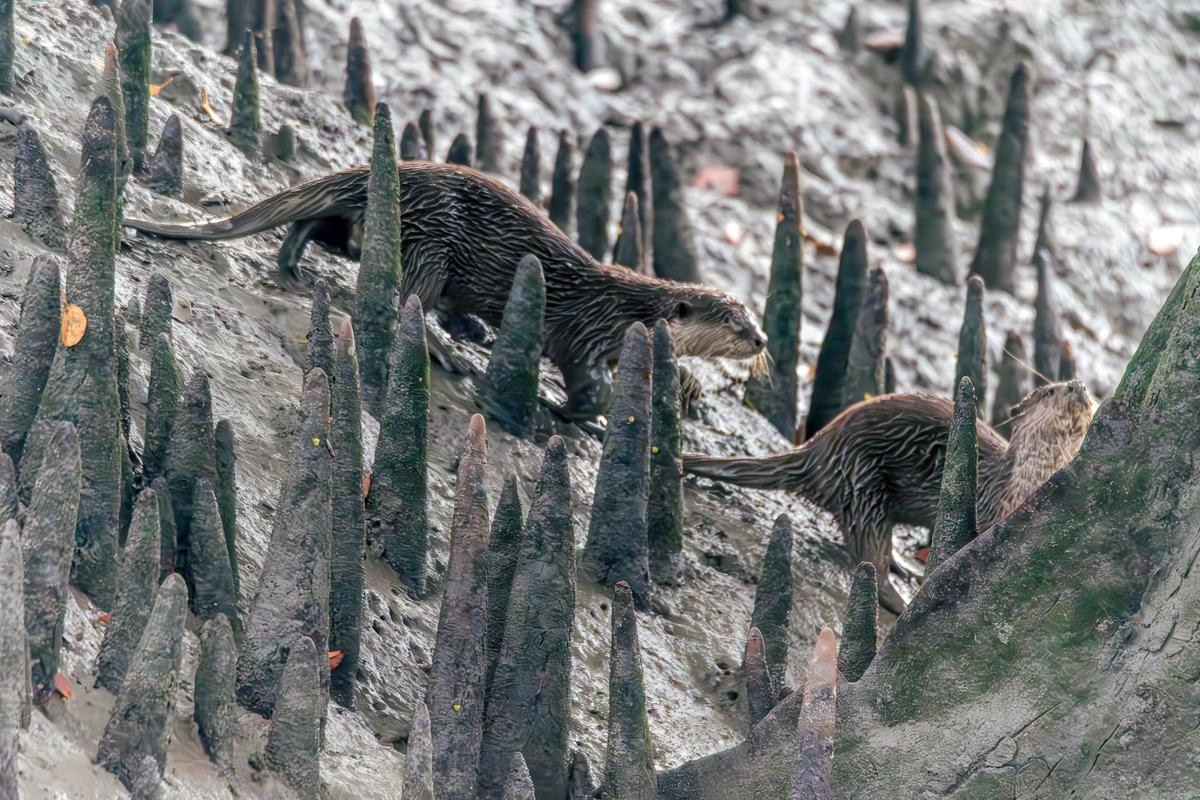
Two Asian Small-Clawed Otters walking among pneumatophores in Sundarbans National Park
Final Thoughts
Our trip to Sundarbans National Park was an unforgettable experience. Witnessing the Asian Small-Clawed Otter in its natural habitat was a privilege. Their playful nature and vital role in the ecosystem left a lasting impression. We encourage everyone to support conservation efforts to protect these incredible animals for future generations. Their Asian Small-Clawed Otter scientific name is Aonyx cinereus and you can check asian small clawed otter range in many online sources. The asian small clawed otter cost can depend on a number of external factors which we don’t want to mention.
Have you ever seen an Asian Small-Clawed Otter? Share your experiences in the comments below!