
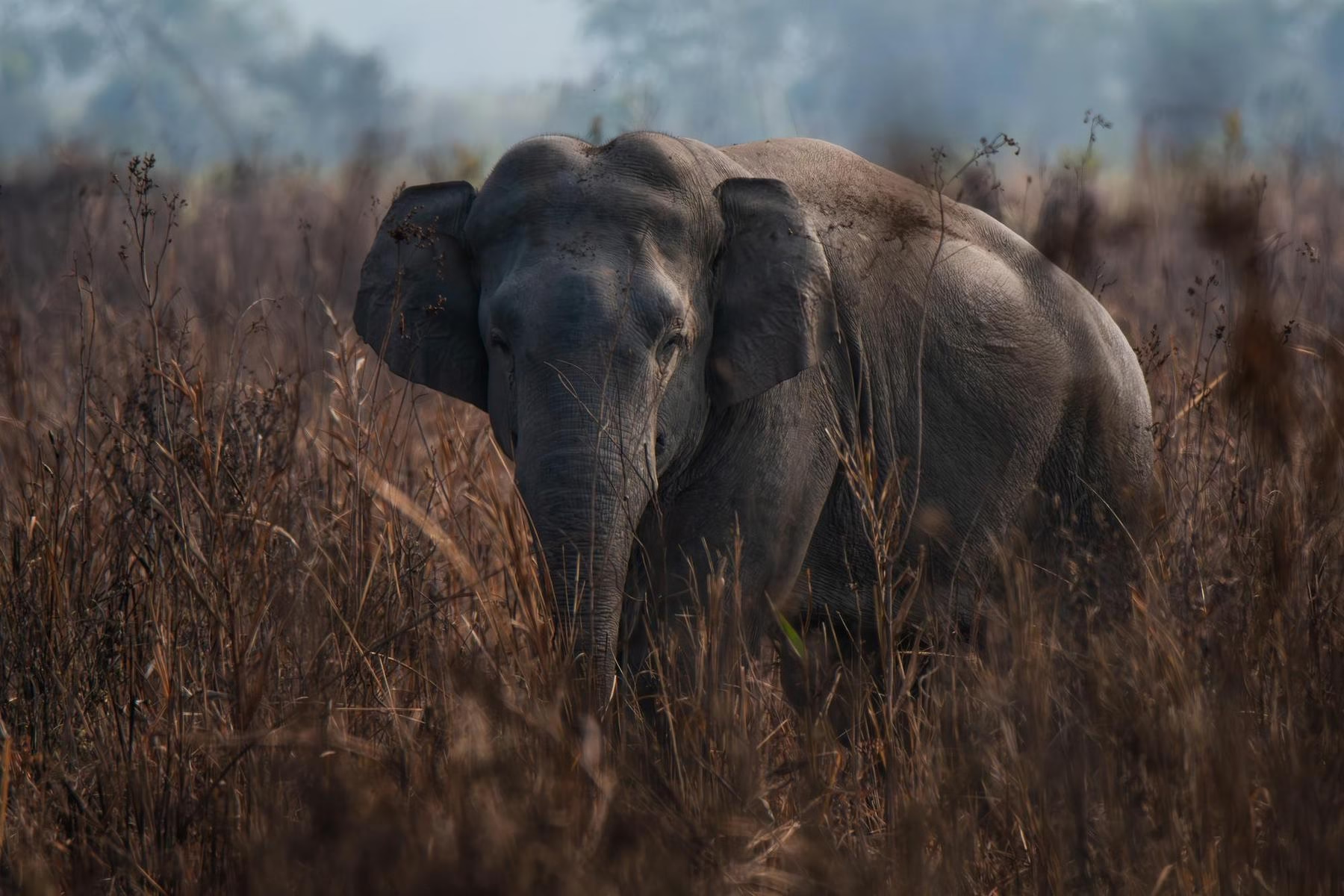
As a data scientist who loves the wild, it was interesting to dig into how data science tools are used to study the elephants, and the inferred hypothesis. I make blog posts, so unsurprisingly, here’s one for you!
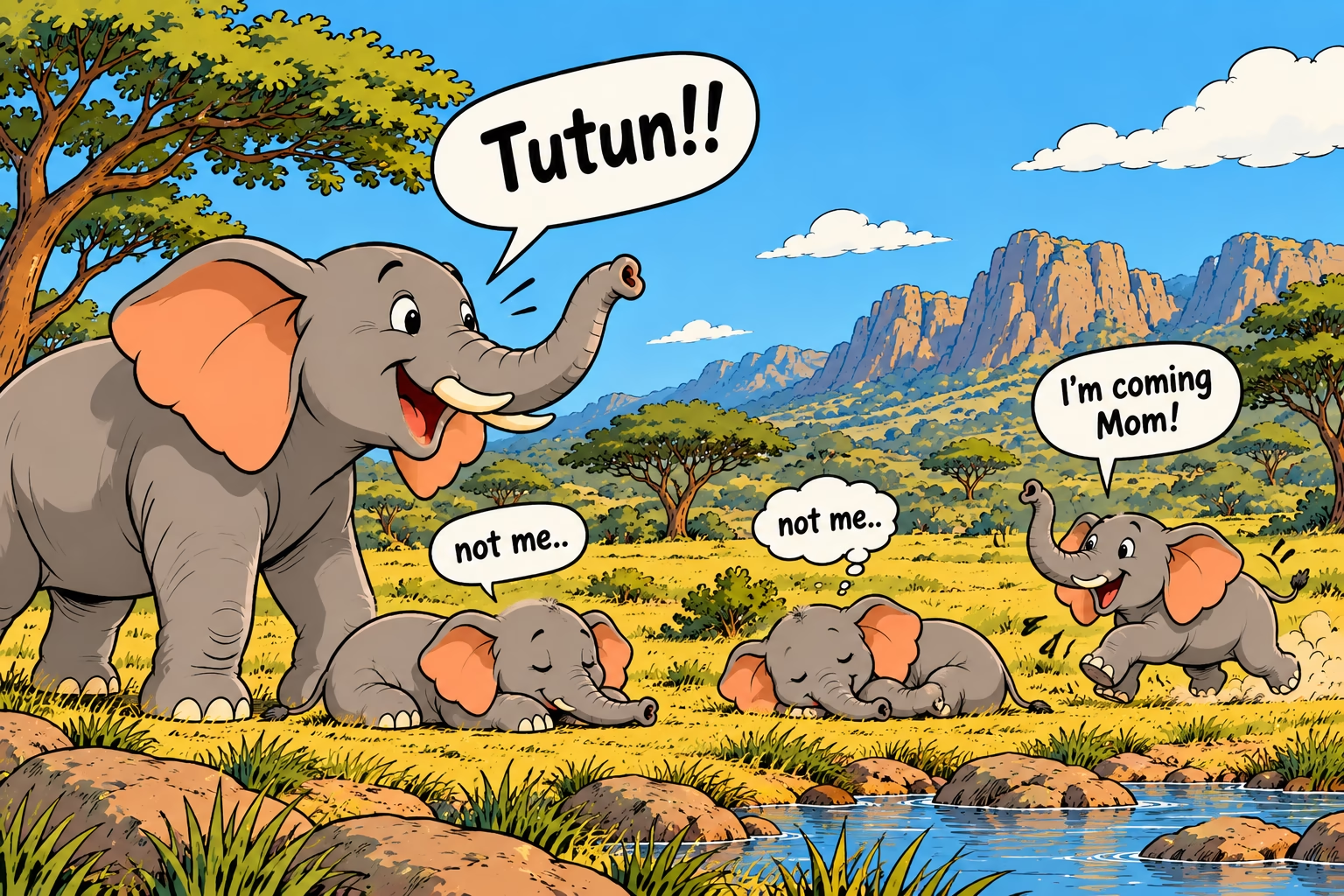
Elephants have unique names!
If you are reading this, in all probability you are human and you have a name which people address you with. If you are a Bengali, you might have more than one and names that would embarrass you. Guess what? Elephants too have that. One mother elephant might call their child “Nontu”, “Gudu”, “Poltu”, or probably something better…
Pardo et al did this analysis over 460 African elephant rumbles, between 101 elephants speaking, and 117 elephants listening to and responding. The elephants are from Kenya. They provided compelling evidence of elephants using individually specific, name-like vocalisations to address one another! They could correctly predict which elephant was spoken to 27.5% times. They conducted playback experiments involving 17 wild elephants. The animals responded more strongly to recordings originally addressed to them than to recordings from the same caller addressed to another elephant.
What’s more interesting? The elephant name is a shared relationship between two elephant. For example, my grandmother called me “Shyam”, my mother calls me “Tutun”, my father calls me “Baban”. It might be the same with elephants: One elephant probably calls another with one unique name.
The Mothers and Grandmothers Rule!
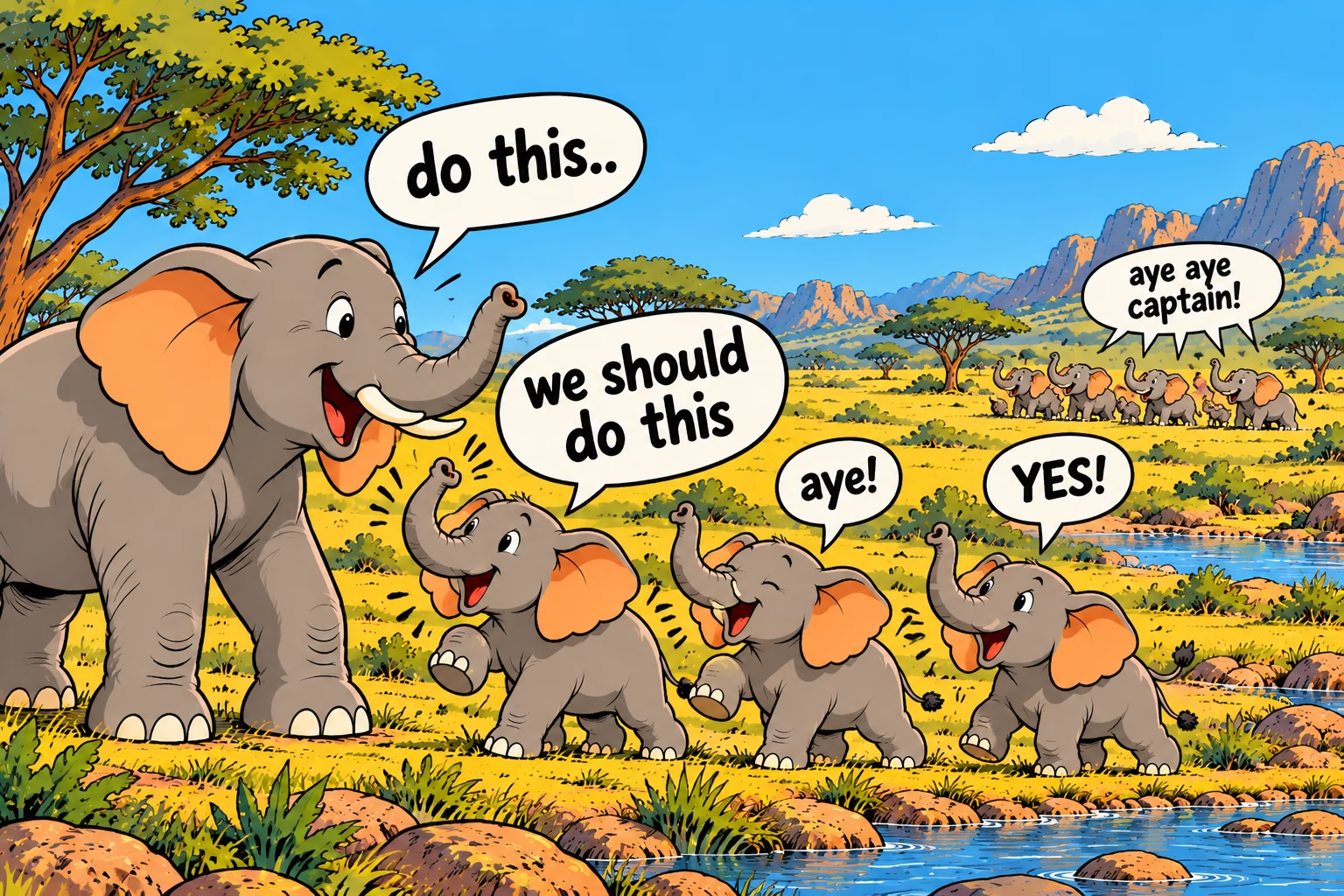
Some of the Indian cultures, are matriarchal by nature. It means women are more listened to when it comes to decision making for the family. Turns out, experiments suggest Elephants do that too!
Scientist Karen McComb and her team studied how elephants use deep rumbles to communicate. They found that older matriarchs are especially important: other elephants recognize their calls and respond to them. These wise grandmothers can help families stay together and share important information across long distances.
What’s more interesting? Mature matriarch Elephants (age > 55 years) are given more importance. The older grandmothers are information hubs, be it of family members or of the surrounding nature.
Others HeheHiihii when a couple mates..
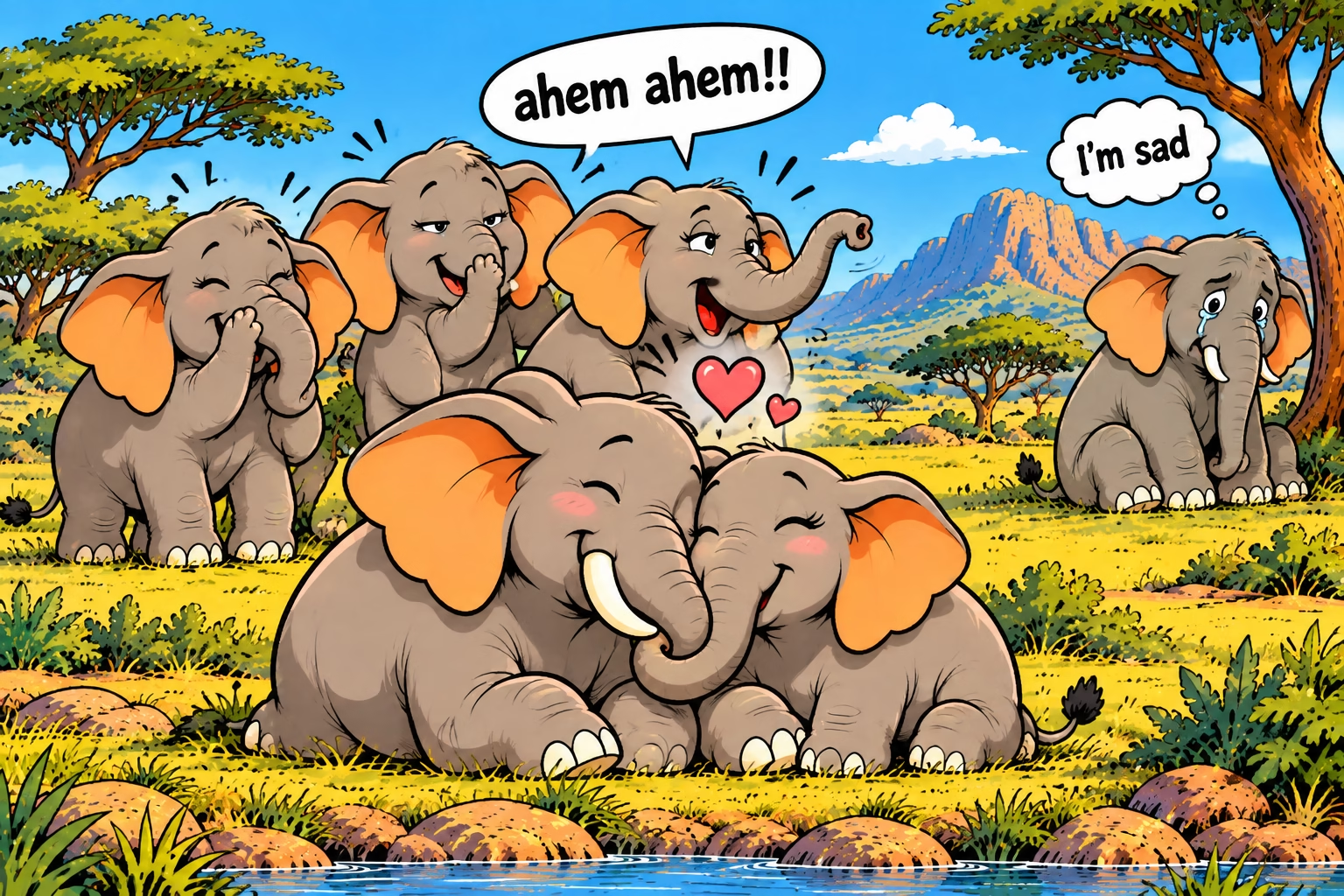
What should be a private affair between two elephants, becomes a community event with the womenfolk engaging in “the mating pandemonium”. That’s the elephant version of “Rukhmani Rukhmani, shaadi ke baad kya kya hua?”.
So what exactly happens? Dr. Joyce Poole (ElephantVoices), Dr. Peter Wrege (Cornell University) figured this out: The couple mate. The female emits a series of loud modulated rumbles. Within seconds, her female relatives rush towards her, screaming, trumpeting, roating, and their infrasonic rumbles overlap creating a deafening collective chorus. The female herd bunches tightly around the female, and do their ritual. It signals to other male elephants that she is taken, at least for now. If a male feels like, he can charge the existing chosen male and try to impregnate the female.
What’s more interesting? Nothing. Just some sad male elephants.
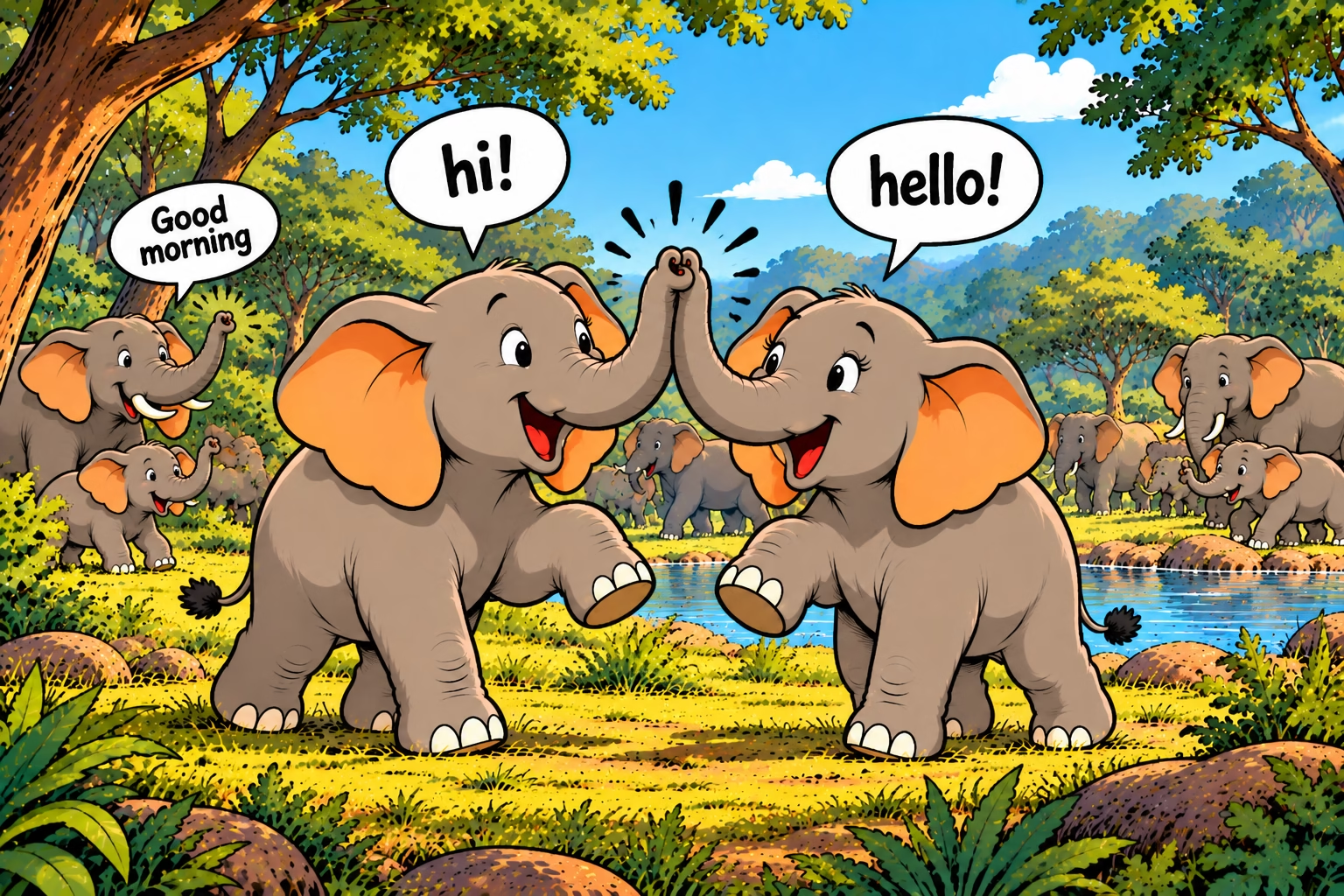
Greetings and Morning Rituals!
Imagine you find a friend in a park.. You go and greet your friend with an enthusiastic “Helloo”, and very likely the friend also returns the hello with equal enthusiasm. Elephants do the same! Dr. Joyce Poole and her collaborators found this out.
The researchers recorded elephant reunions using multi-channel microphone arrays, high-definition video, and detailed social tracking (kinship, rank, and separation time). Machine learning algorithms separated overlapping group rumbles, extracted pitch features, and measured how individual voices changed before and after meeting. What did they infer? Elephants actively mirror the pitch and frequency of the family members they greet. This vocal matching acts like human pitch-mirroring, expressing empathy and affection. Closer relatives show tighter vocal alignment, helping re-establish group unity after time apart.
What’s more interesting? Elephants have daily greetings rituals. The mothers generally wake the herd up with lowly rumbles, more like a roll call, hahahaha. They often touch their trunk on a family members face to know how they are feeling, and of course they flap their ears.
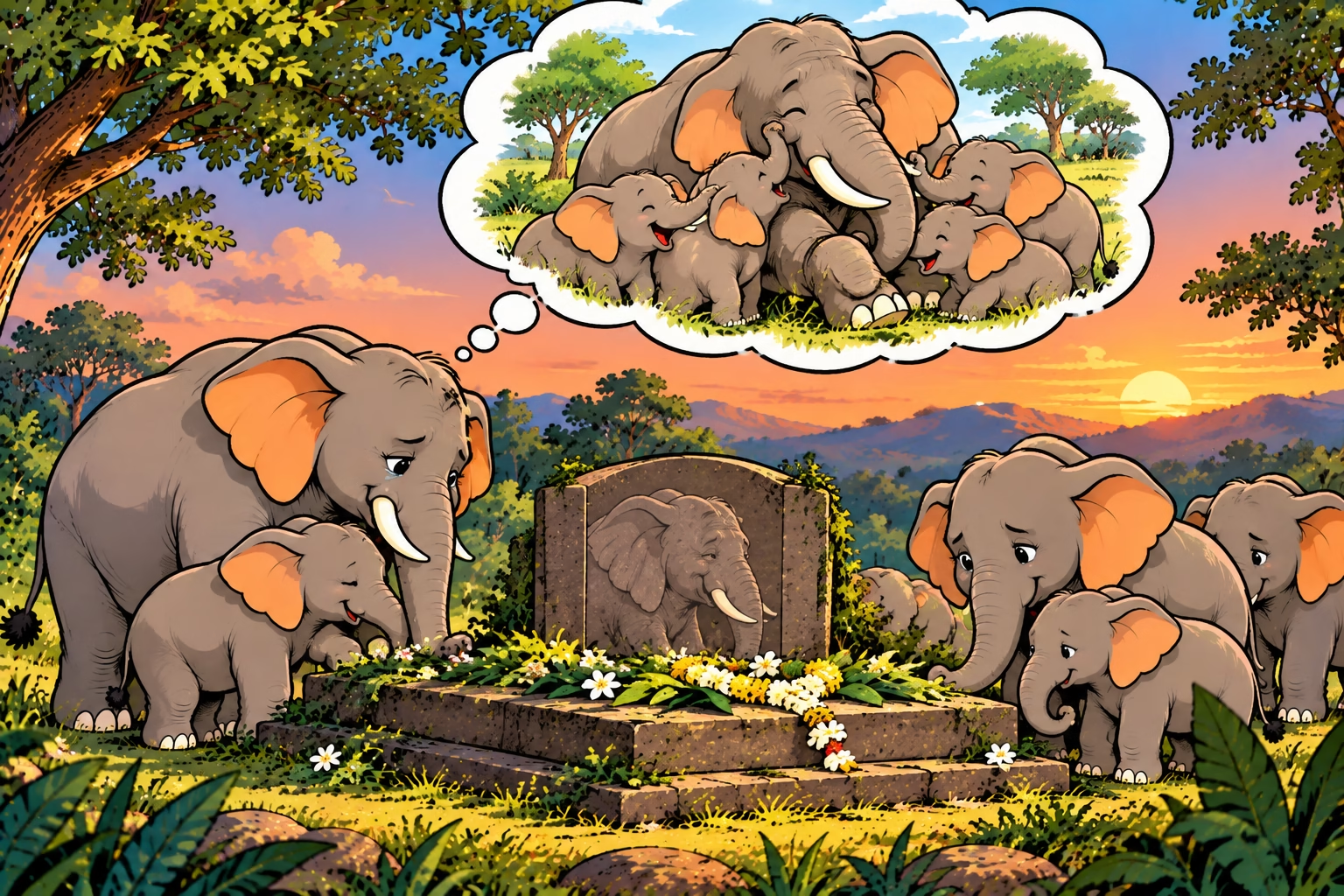
Remembering their dead.
Umm, scientists observed that long after a family member dies, the herd goes to the location of their dead. When they get there, they stand very quietly and gently touch the bones and tusks with their trunks, almost like giving a soft, loving hug. Smart computer cameras watched them do this and showed that elephants have super strong memories and never forget their friends.
Dr. Shifra Goldenberg and her colleagues setup an elaborate experiment and observed, with the help of sensors, trap cameras, drones, and sophisticated computer vision programs, that elephants with their herd go to the place of the deceased one with intent (not randomly), slow down and silence their rumbles to honour their dead. They touch the skull and parts of the face more with their trunks, than other parts of the body. They stand still for hours before leaving.
What’s differently interesting? They understand which skeletal parts are of their dead, and which ones are not. Experiments using bones from other large animals (like rhinos or hippos) show that elephants ignore non-elephant bones. The quiet, gentle, and recurring nature of these visits suggests that elephants possess complex emotional processing, grief-like responses, and long-lasting social attachments that endure long after an individual’s death.

Hey that brings me to the end of this blog post. If you have found this blog post interesting, please know that these blog posts take time to prepare for, read, understand the methods used, validating the citations. As a data scientist myself, I take some extra time to understand how the experiments were conducted. So it is a request from me: If you find this interesting, please share this blog post using the share button with your friends over WhatsApp, Instagram, Facebook, Twitter, and all the platforms you are on. Thank you.

- 5 Elephant facts that Data Scientists told us! - October 4, 2026
- Olive Ridley Turtles at the Rushikulya Beach. - May 11, 2026
- Off-beat Wildlife Photography in India: 6 Species from Rushikulya to Dehing Patkai (2025) - December 30, 2025