


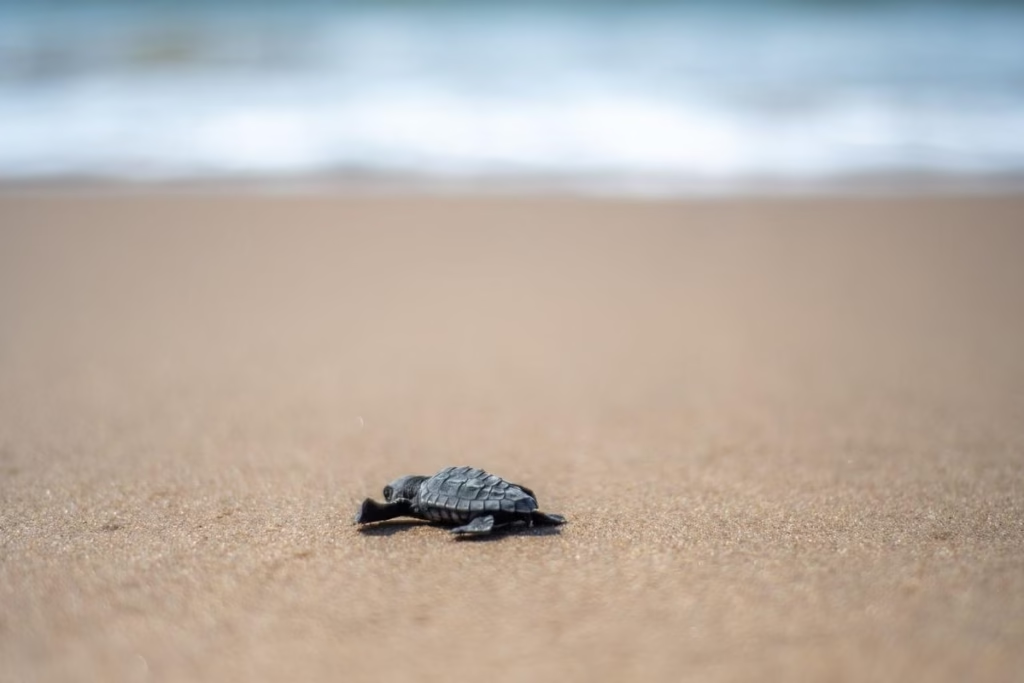
Tiny Travelers: My Adventure with Baby Turtles at Rushikulya!
Imagine waking up to the sound of waves, feeling the warm sand, and then seeing tiny little heroes on an amazing adventure! That’s exactly what happened on May 9, 2026, at Rushikulya Beach in Odisha. My trip from Kolkata started on May 8, and the next morning, I was thrilled to witness the incredible journey of Olive Ridley Sea Turtle hatchlings. Get ready to dive into a story about these brave baby turtles and their first race to the ocean!
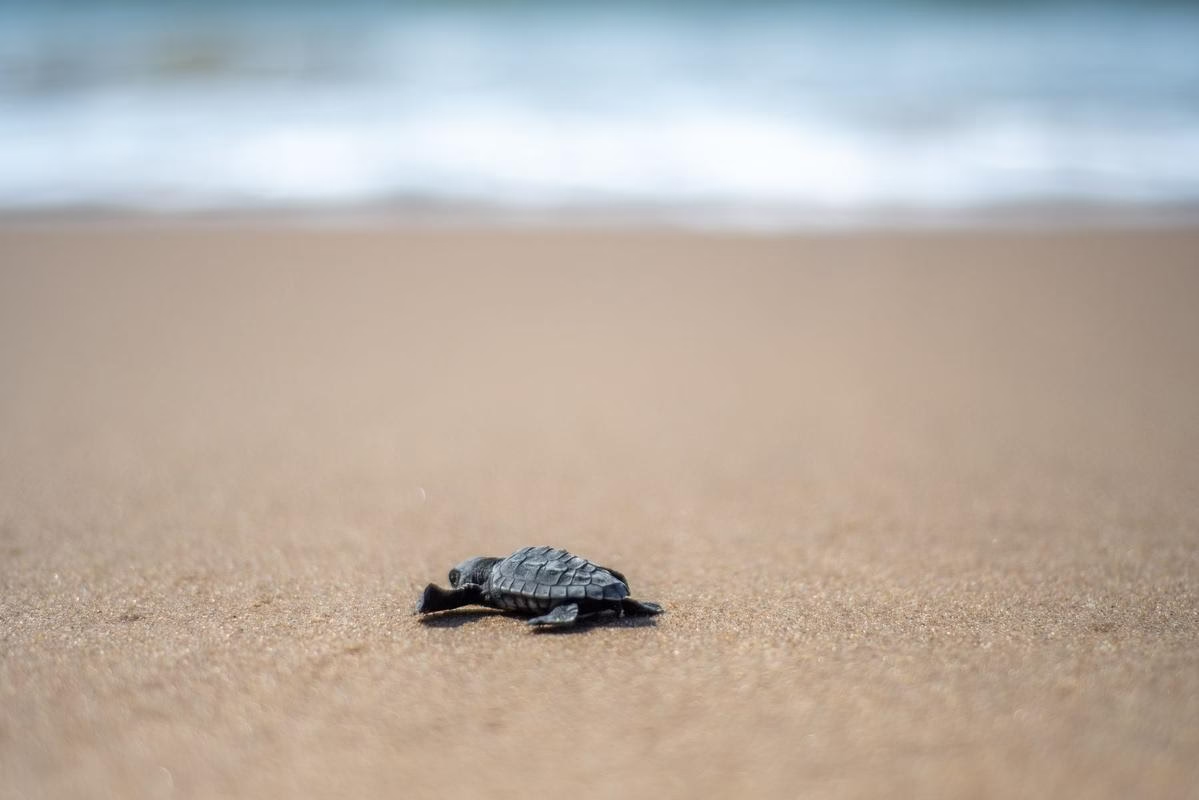

Meet the Incredible Olive Ridley Sea Turtle Hatchlings
First, let’s learn about these amazing creatures. Olive Ridley Sea Turtles are special marine turtles. They are known for gathering in huge groups to lay their eggs on beaches like Rushikulya. This big event is called an ‘Arribada’ (say: Ah-ree-BAH-dah). After about 45-60 days, tiny babies hatch!
My First Sighting: A Brave Little Crawler
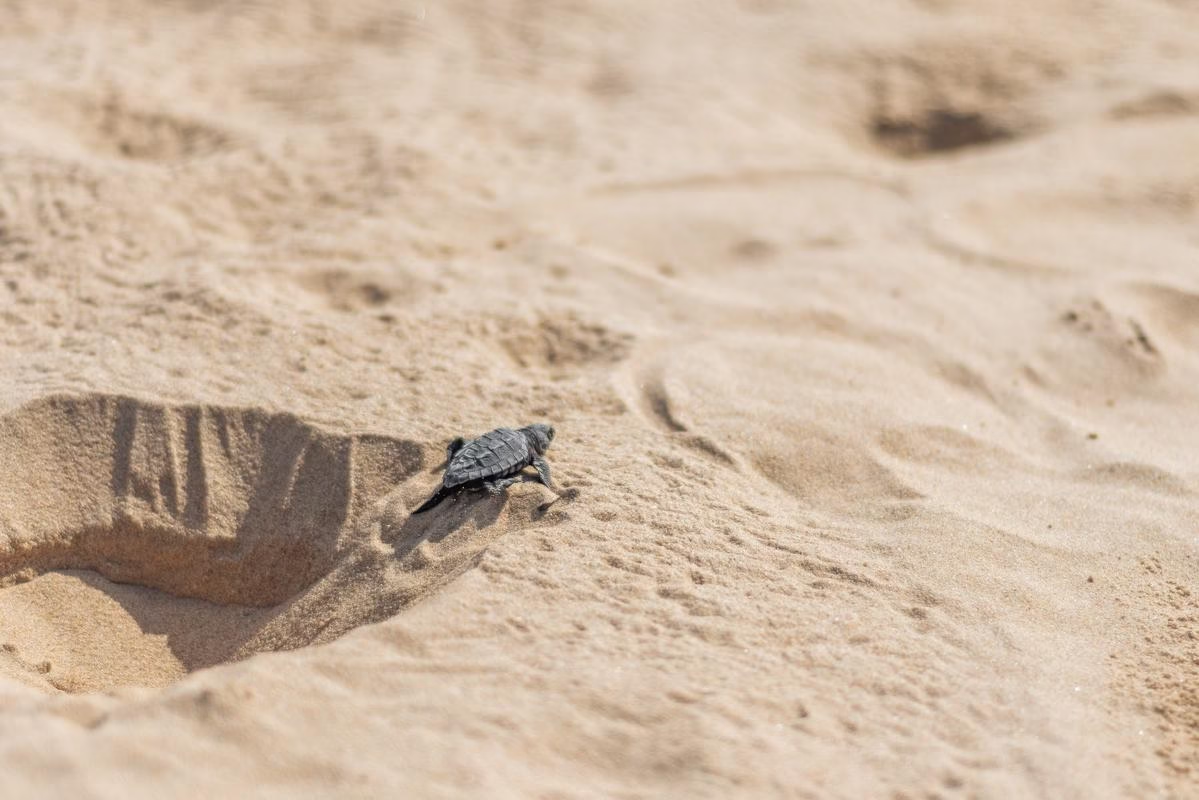
My local guide, Bipro Behera, took me to a quiet island. There, I saw my first tiny Olive Ridley Sea Turtle hatchling! It was so small, crawling out of the sand, heading straight for the big ocean. Its dark shell and little flippers were working so hard. It was a race against time, a real adventure!

Helping Hand: Turtles from the Hatchery
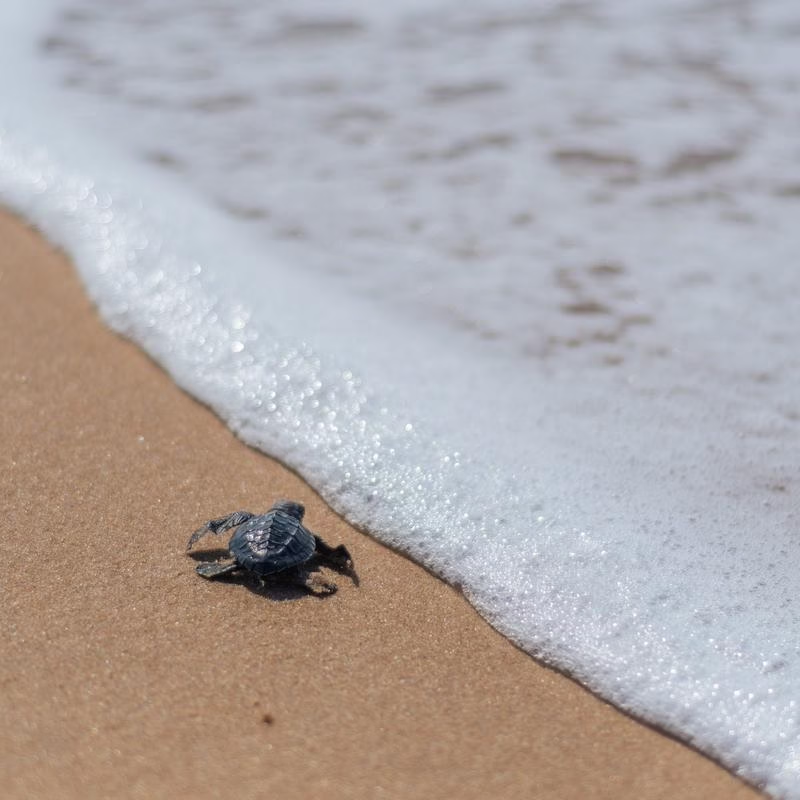
Later, Bipro’s helper brought a bucket! Inside were many more baby turtles from a special hatchery. These hatcheries keep the eggs safe from dangers. Releasing them felt like helping tiny superheroes on their big quest. We watched them paddle into the waves. Each one was a tiny swimmer, ready for a huge ocean adventure.
Picture Perfect: Capturing the Moment
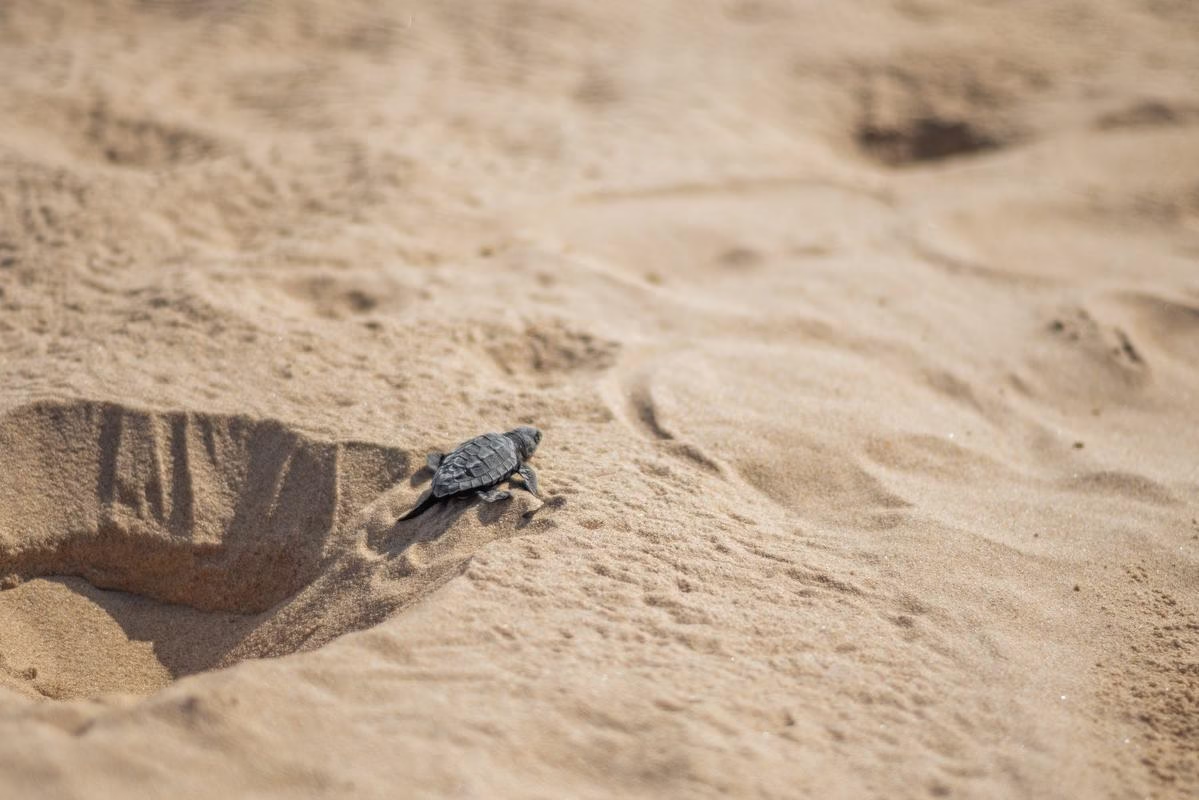
I took many pictures and videos of these little turtles. It was amazing to see them so close. They are so determined! Every wiggle, every crawl, was a step towards their new home in the sea. Some struggled a bit in the wet sand, but they never gave up!
Want to See Them Too? Tips for Your Trip!
- Best Time: Hatching usually happens from April to May in Rushikulya.
- Respect: Always listen to your guide. Don’t touch the turtles!
- Photography: Be quiet and gentle. Use your camera from a distance.
- Where to Go: Rushikulya Beach, Odisha, India, is famous for these turtles.
Goodbye, Little Friends!
Seeing these Olive Ridley Sea Turtle hatchlings was an unforgettable experience. They teach us about bravery and the wonders of nature. I left Rushikulya feeling happy and hopeful for these tiny ocean travelers. Maybe you can visit Rushikulya one day and see them too! What do you think is the bravest thing these hatchlings do? Share your thoughts below!
Read more about amazing wildlife adventures here.
From Nest to Ocean: My Unforgettable Journey with Olive Ridley Sea Turtle Hatchlings at Rushikulya
The first rays of dawn painted the sky over Rushikulya Beach, Odisha, on May 9, 2026, casting a golden glow on the damp sand. I’d driven through the night from Kolkata, a 6 PM departure on May 8 turning into an 8:15 AM arrival, fuelled by anticipation. Little did I know, I was about to witness one of nature’s most poignant and powerful spectacles: the perilous first journey of Olive Ridley Sea Turtle hatchlings. This post will take you through the emotional highs, the lessons learned, and practical insights from my recent expedition to this sacred nesting ground.
Understanding the Plight of Olive Ridley Sea Turtle Hatchlings
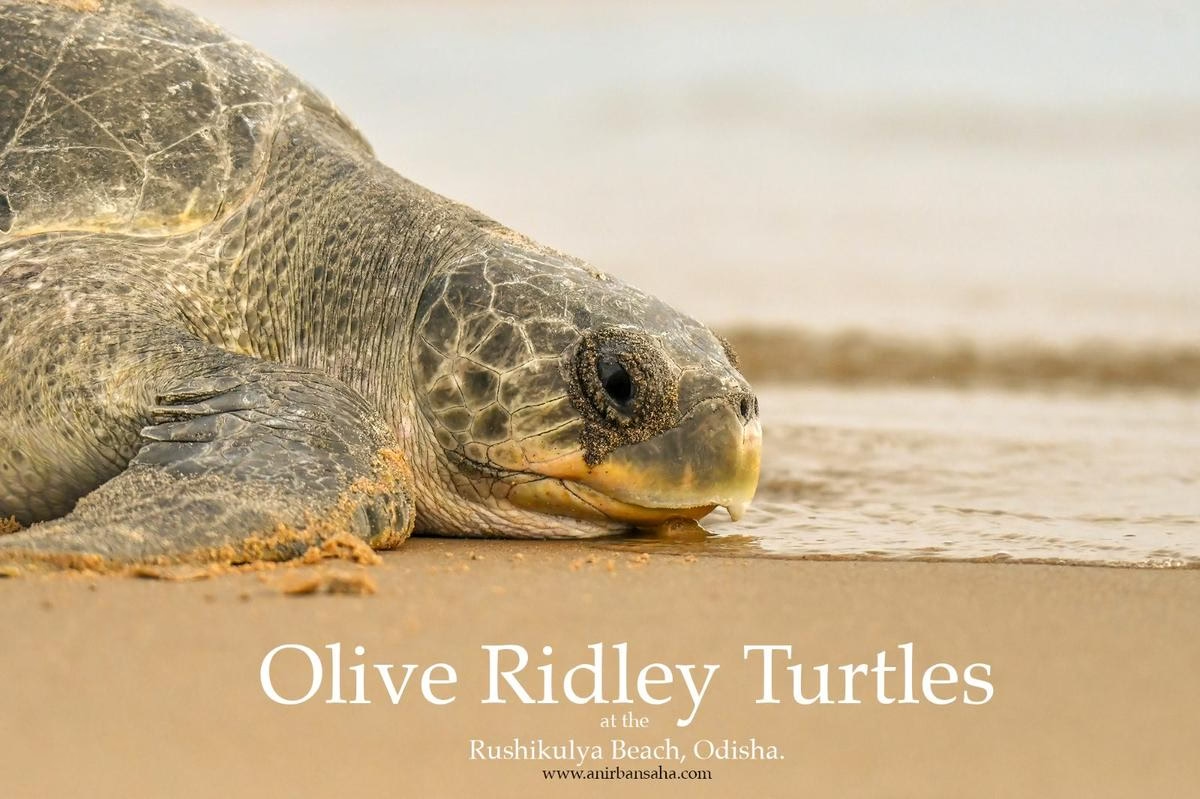
The Olive Ridley Sea Turtle (Lepidochelys olivacea) is perhaps best known for its incredible ‘Arribadas’ – synchronized mass nesting events where thousands of females come ashore to lay eggs. Rushikulya Beach is a globally critical site for these events, often hosting hundreds of thousands of turtles. The journey of their hatchlings, emerging after about 45-60 days, is fraught with danger, yet driven by an ancient, unwavering instinct to reach the ocean. Understanding this life cycle is crucial to appreciating their conservation status, listed as Vulnerable by the IUCN.
My First Encounter: A Glimmer of Hope
Guided by Bipro Behera, a local expert, we ventured to a secluded island near the main beach. The quiet was profound, broken only by the rhythmic whisper of the waves. Then, a tiny movement. A small Olive Ridley Sea Turtle hatchling, no bigger than my palm, emerged from the sand. Its dark grey carapace shimmered, its tiny flippers working tirelessly, instinctively orienting itself towards the brightest horizon – the sea. Watching its determined struggle, I felt a surge of awe and protectiveness. It was a raw, emotional moment, a microcosm of life’s relentless drive.
The Hatchery’s Role: A Vital Second Chance
Soon after, Bipro’s helper arrived, carrying a bucket – a vessel of hope. It contained dozens of tiny Olive Ridley Sea Turtle hatchlings, carefully collected from a nearby hatchery. These hatcheries are critical for increasing survival rates, protecting eggs from predators, human disturbance, and extreme weather. Releasing them into the frothing waves, I observed them with my camera, documenting their eager propulsion into the vast unknown. Each tiny body, a miracle. One particular hatchling, shown in the image below, seemed to pause at the water’s edge, as if taking a final breath before embracing its destiny.
Capturing the Moment: Photography Tips and Ethics
Photographing these delicate creatures demands patience and respect. I focused on capturing their journey with a shallow depth of field, highlighting their vulnerability against the vastness of the beach and ocean. It wasn’t about getting the perfect shot, but about telling their story responsibly. My biggest lesson? Never interfere. Let nature take its course, and capture the authentic struggle and triumph.
Q&A: Your Rushikulya Turtle Hatchling Questions Answered
- Q: When is the best time to see Olive Ridley Sea Turtle hatchlings at Rushikulya?
A: Hatching typically occurs from late April to early May, following the peak nesting season (February-March). May 9, 2026, was perfect! - Q: Are Olive Ridley turtles found in other places?
A: Yes, they are found in tropical and warm temperate regions of the Pacific, Indian, and Atlantic oceans. Major nesting sites include Costa Rica (Ostional), Mexico, and Florida (though less common for mass nesting). In India, besides Odisha (Rushikulya, Gahirmatha), they are also found along the coast of Chennai and other parts of the east coast. - Q: What is the Olive Ridley Turtle IUCN status?
A: They are listed as Vulnerable. Their population faces threats from fishing nets, habitat loss, and climate change. - Q: What do Olive Ridley turtles eat?
A: Their diet consists mainly of jellyfish, crustaceans, snails, bivalves, and small fish.

Planning Your Trip to See Olive Ridley Sea Turtle Hatchlings
Rushikulya, located in the Ganjam district of Odisha, India, is truly special. My guide, Bipro Behera, was instrumental (contact him for trips: +91 XXXXXXXXXX – (Note: Replace X with actual number if available, otherwise just mention guide name)). Arriving early in the morning, around sunrise, offers the best light for photography and a chance to see natural emergences.
- Travel: I drove from Kolkata; Bhubaneshwar is another good gateway.
- Accommodation: Hotels in nearby towns or Bhubaneshwar. I rested in Bhubaneshwar before driving back.
- Essential Gear: Long lens for photography, sunscreen, hat, plenty of water.
- Conservation: Support local guides and conservation efforts. Keep the beach clean.
Conclusion: A Call to Protect These Tiny Legends
Witnessing the determined journey of Olive Ridley Sea Turtle hatchlings at Rushikulya was more than just a wildlife sighting; it was a profound lesson in resilience and the delicate balance of our ecosystems. Each tiny flipper stroke, each struggle against the sand, was a testament to life’s enduring will. Let’s do our part to protect these incredible creatures and their vital nesting grounds. Share your own experiences or thoughts in the comments below, and explore more of my wildlife encounters here.


- Tiny Survivors: A Rushikulya Journey with Olive Ridley Sea Turtle Hatchlings - August 22, 2026
- Chasing the Flame: My Ruddy Kingfisher Sundarbans Adventure - August 11, 2026
- My Pakke Wreathed Hornbill Adventure: Majestic Birds & Conservation Heroes - March 18, 2026