


Hey amazing bird explorers! Guess what? I just got back from a super cool place called Pakke Tiger Reserve in Arunachal Pradesh. It was February 27, 2026, and my mission was to find the incredible Wreathed Hornbill! Get ready to hear all about my exciting Wreathed Hornbill adventure in Pakke!
Imagine huge birds with giant colorful beaks, flying through thick green forests. That’s a Hornbill for you! India has 9 types of Hornbills, and 6 of them live in this part of the country. I really wanted to see the Wreathed Hornbill up close.

Photographs: Souranil De (@souranil.de) and Anirban Saha (@sahaanirban)
My Wreathed Hornbill Adventure in Pakke Starts!
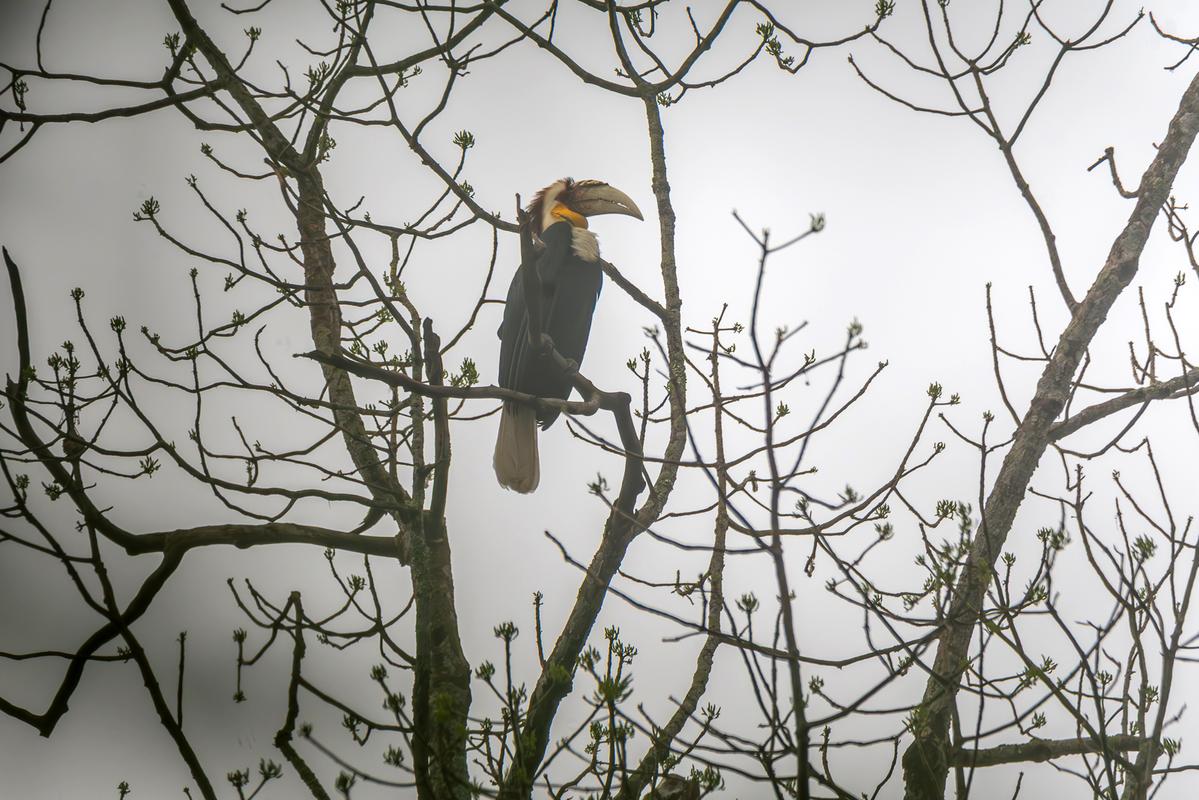
My friends and I woke up super early at 6 AM. We drove slowly, looking everywhere. And guess what? Soon, we saw a male Wreathed Hornbill sitting high on a branch! Its beak looked like it had pretty yellow ribbons wrapped around it. These birds are like the gardeners of the forest, dropping seeds everywhere and helping new trees grow.
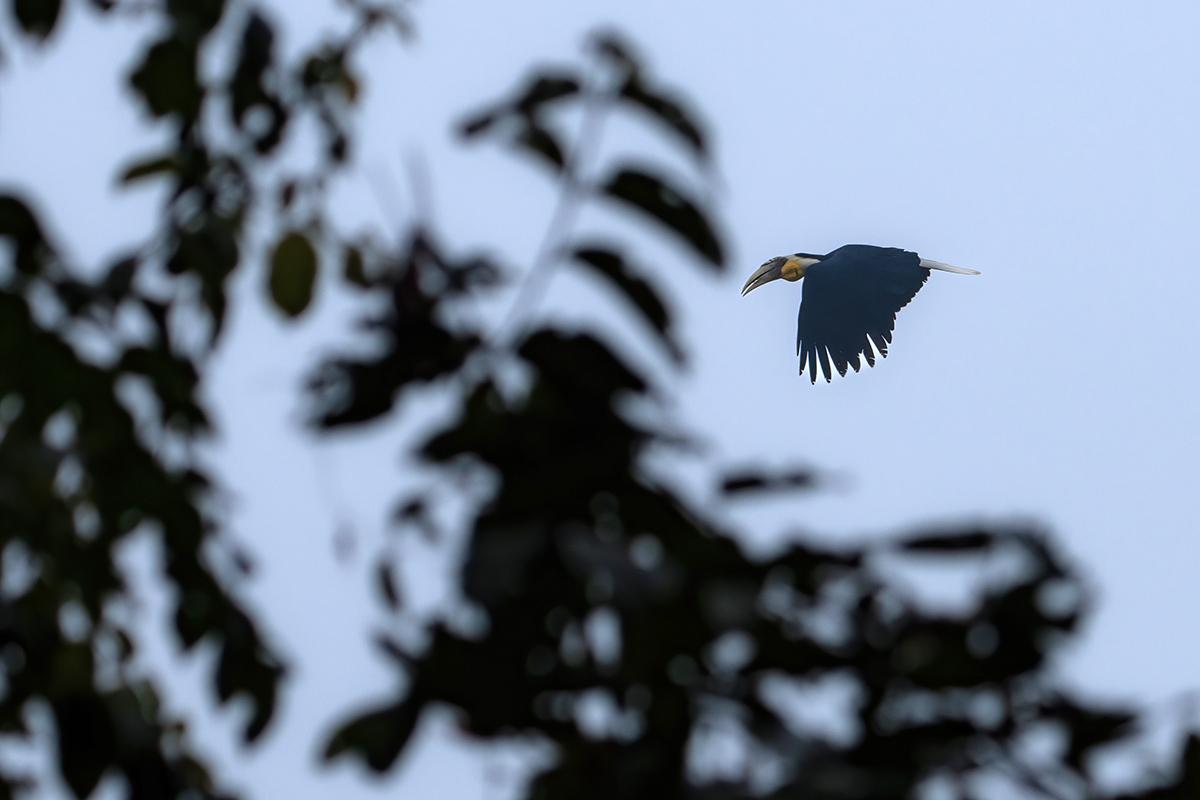
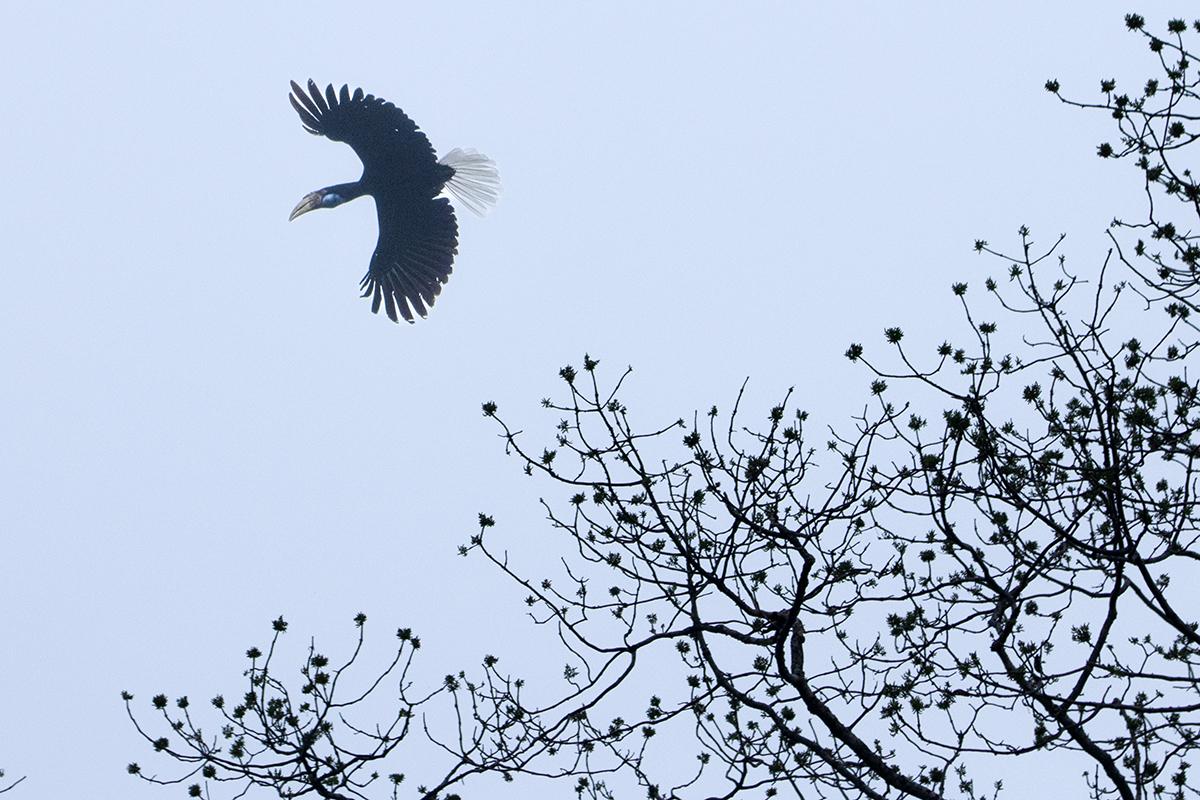
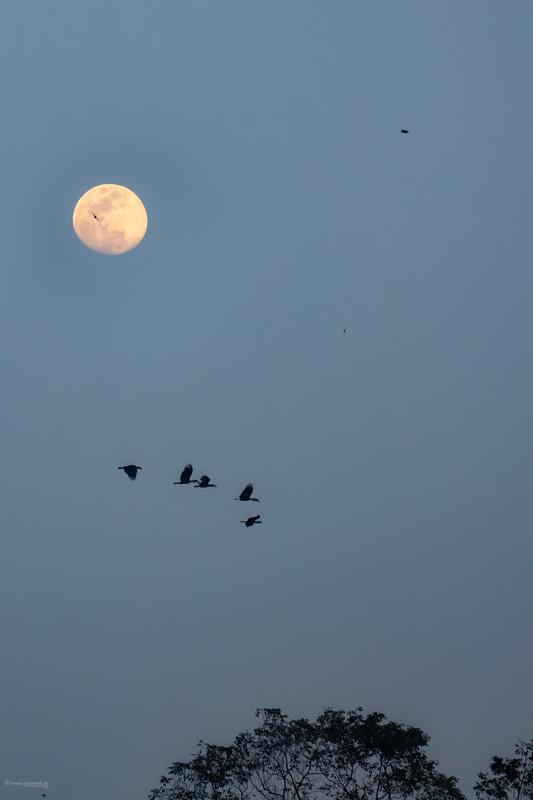
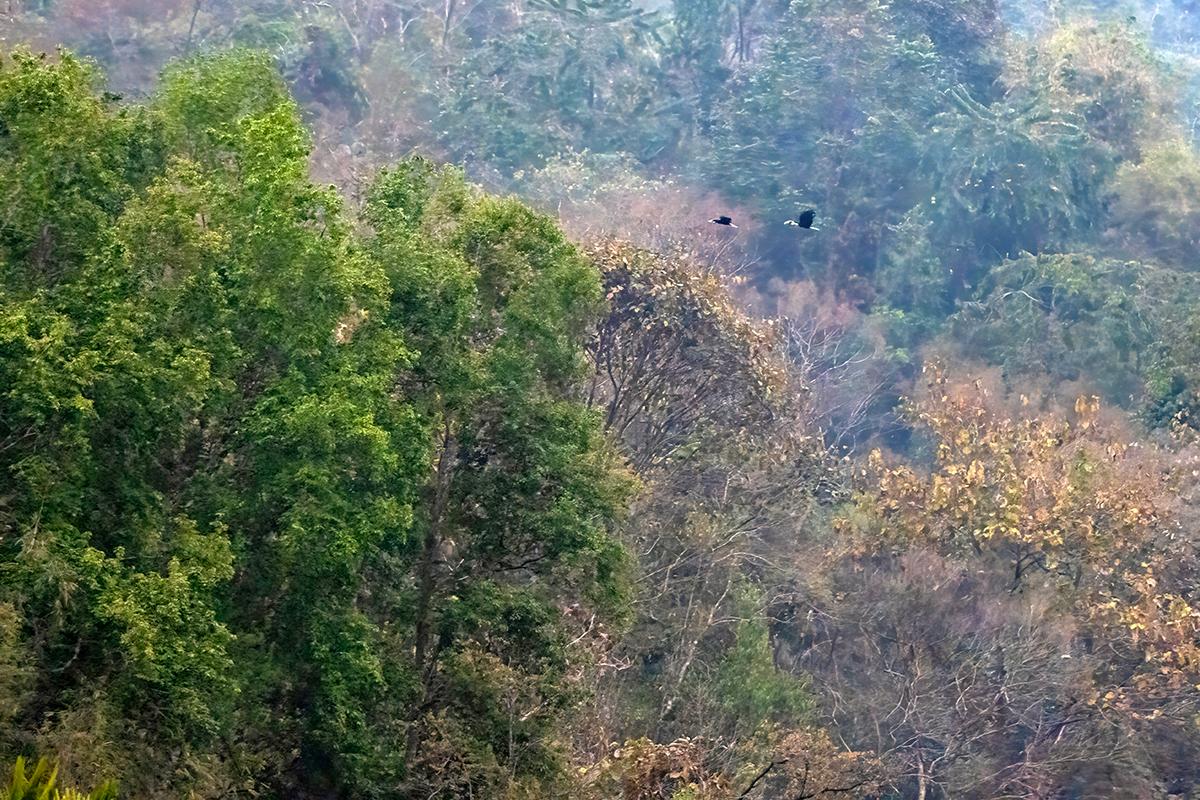
Later, we heard them flying! Wooosh! A male and female Wreathed Hornbill zoomed past. It was hard to get a perfect picture because they were so high, and the trees were super thick. But just seeing them was amazing!
Meet Dina: A Forest Hero
We had a special guide named Dina. She’s from the local Nyishi tribe. Her dad used to hunt, but now Dina helps protect these amazing birds! She works to make sure their nests are safe. People in the village, who used to hunt hornbills, are now their protectors. Isn’t that cool? It’s called the Hornbill Nest Adoption Program. They keep the Wreathed Hornbill family safe.
Tips for Your Own Bird Trip
If you want to visit Pakke, come between November and April for the best weather. It’s important to have a guide like Dina who knows the forest well. Wear comfy shoes and bring binoculars to see the birds up close! And remember, be super quiet so you don’t scare them away. It’s all part of the Wreathed Hornbill adventure in Pakke!
Even though our car broke down one rainy morning, and the birds were a bit shy, finding the Wreathed Hornbills was a super fun adventure! Pakke is a magical place where people are helping birds live safe and happy lives. What birds would you like to see?
The dawn mist still clung to the foothills of the Eastern Himalayas as we set out from Kino Homestay on February 27, 2026. Our destination? The vibrant, conservation-rich Pakke Tiger Reserve in Arunachal Pradesh. My heart pounded with anticipation, not just for any bird, but for the elusive and majestic Wreathed Hornbill. This was to be the ultimate Wreathed Hornbill adventure in Pakke.
Having previously photographed five of India’s nine hornbill species, the Wreathed Hornbill (Rhyticeros undulatus) remained my white whale. A brief, unphotogenic sighting in Buxa Tiger Reserve years ago only fueled my desire. Pakke, known for its successful Hornbill Nest Adoption Program and a haven for six of India’s hornbill species—including the Great, Oriental Pied, Indian Grey, Rufous-necked, and Austen’s Brown—was the perfect place to complete my quest.
Photographs: Souranil De (@souranil.de) and Anirban Saha (@sahaanirban)
Navigating the Heart of Hornbill Country: My Wreathed Hornbill Adventure in Pakke
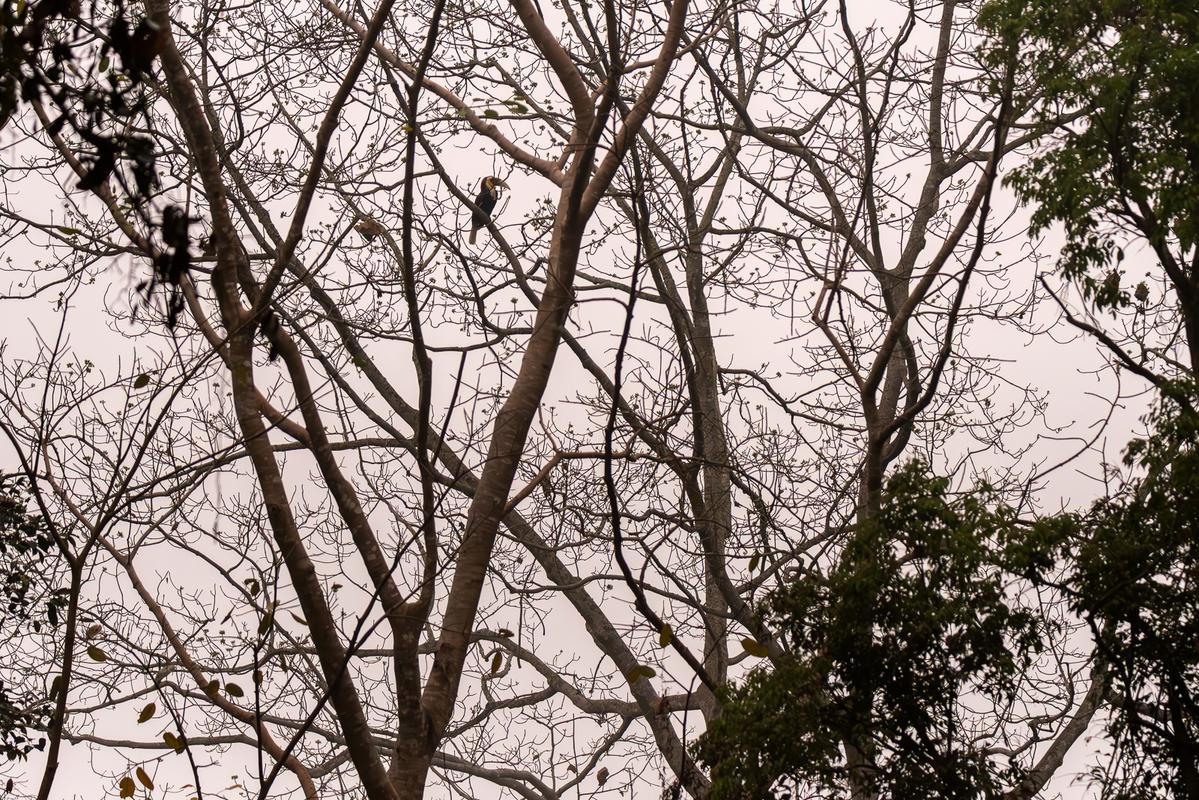
Our journey began bright and early, departing Kino Homestay at 6 AM. Soon after, we had our first successful sighting: a magnificent male Wreathed Hornbill, perched high on a bare branch. Its distinctive buffy-white head, yellow gular pouch, and the ridged casque on its bill, giving it its ‘wreathed’ appearance, were truly a sight to behold even from a distance. The Wreathed Hornbill’s call is a resonant “guh-guh-guh” that echoes through the forest, a sound I hoped to capture.
Around 8:20 AM, the distinct whooshing sound of large wings cutting through the air announced the presence of a pair of Wreathed Hornbills. We took cover near a probable nest site, my Nikon D500 and Tamron 150-600 lens ready. My friend Souranil, with his eagle eyes, managed some fantastic shots of the Wreathed Hornbill in flight. Despite my best efforts, capturing clear images proved to be a real b***ch. The nests were impossibly high, and the dense forest canopy, along with obstructing branches, made photography challenging. To add to the complexity, a group of Great Hornbills seemed to chase them off, and they appeared to notice our approach, quickly flying far away.
Understanding the Wreathed Hornbill (Rhyticeros undulatus)
The Wreathed Hornbill is a truly remarkable species. The Wreathed Hornbill male and female are distinct: males have a buffy-white head and neck with a yellow gular pouch, while females are entirely black with a blue gular pouch. Both possess that impressive ridged casque, though the female’s is typically smaller. They are large birds, with a Wreathed Hornbill size reaching up to 90 cm (35 inches). Their diet primarily consists of fruit, making them crucial seed dispersers within the forest. Their Wreathed Hornbill distribution spans Southeast Asia, with a significant presence in India’s Northeast.

Dina Brah: Bridging Science and Community in Conservation
Our guide, Dina Brah (@dinawild07), was an absolute gem. A local Nyishi tribe member, her journey from a hunter’s daughter to a passionate conservationist and field coordinator is inspiring. She works tirelessly for the Hornbill Nest Adoption Program, a “shared parenting” model that integrates traditional Nyishi knowledge with modern conservation science. The Nyishi, once known for using hornbill beaks in traditional headgear, have become fierce protectors. Dina coordinates ‘Nest Protectors’ who monitor nesting success for species like the Great, Oriental Pied, and Wreathed Hornbill. This program is vital for the Wreathed Hornbill population in the region.
Pakke’s conservation success, which I’d first read about through Dr. Aparajita Datta’s work, truly comes alive through people like Dina. The shift in the Nyishi community from hunting to protecting these birds, even for their traditional attire, is a powerful lesson in adapting to modern ecological needs while honoring heritage.
Beyond Hornbills: Other Wildlife Encounters & Logistics
Pakke Tiger Reserve is a biodiversity hotspot. We saw a lot of other birds, but that’s for another blog post.
Our accommodation at Kino Homestay in Upper Seijosa, arranged by Dina, offered an authentic Nyishi experience. It was clean, spacious, and the traditional kitchen became our favorite spot. Travel from Kolkata to Itanagar, followed by a cab to Pakke (Rs 4500), was smooth. Homestay and food were around Rs 2000/person/day, and Dina charged Rs 2500/day. Airtel worked, but WiFi was delightfully absent.

Challenges and Lessons Learned on My Wreathed Hornbill Adventure in Pakke
Not every day is perfect in the field. Our final morning, March 1st, brought unexpected rain and, to add insult to injury, our car broke down! We took refuge in an anti-poaching camp, eventually being picked up by another vehicle. This shortened our last jungle excursion significantly. Such setbacks are a part of fieldwork, reminding us to be adaptable and appreciate every moment we do get.
Tips for Your Own Pakke Birding Trip:
- Best Time: November to April offers the clearest skies and active birdlife.
- Guide: A local guide like Dina Brah (contact via @dinawild07 on Instagram) is invaluable for navigation and understanding local conservation efforts.
- Photography: A good telephoto lens (e.g., 150-600mm (or higher)) is essential for hornbills high in the canopy. Be prepared for challenging light and obstructions.
- Accommodation: Kino Homestay offers a comfortable, authentic experience close to the reserve.
- Respect: Engage with the local Nyishi community respectfully; their knowledge is profound.
My Wreathed Hornbill Adventure in Pakke: A Call to Action
My quest for the Wreathed Hornbill, while challenging photographically, was incredibly rewarding. It wasn’t just about ticking off a species; it was about experiencing a thriving ecosystem where dedicated people like Dina and the Nyishi community are making a tangible difference. The Wreathed Hornbill’s scientific name, Rhyticeros undulatus, echoes its unique beauty. Seeing them in their natural habitat, and understanding their vital role as seed dispersers and the crucial Wreathed Hornbill diet, reinforces the importance of places like Pakke.
I may not have gotten all the perfect shots, but the memories of that majestic Wreathed Hornbill bird, the inspiring conservation stories, and the camaraderie with my friends are priceless. What’s your next birding adventure? Share your thoughts below! And don’t forget to check out my previous post on Hornbills of India for more insights into these incredible birds.

- My Pakke Wreathed Hornbill Adventure: Majestic Birds & Conservation Heroes - March 18, 2026
- Bhigwan Adventure: Spotting Bengal Fox and Majestic Predatory Birds - February 2, 2026
- Encountering the Majestic Bengal Tiger in Misty Pilibhit: A Winter Safari Tale - January 21, 2026