


My Super Wreathed Hornbill Adventure in Pakke!
Hey awesome bird explorers! Guess what? I just came back from an incredible trip to a magical place called Pakke Tiger Reserve in Arunachal Pradesh. It was February 27, 2026, and my friends Souranil and Soham joined me on a quest to find giant, colorful birds called Hornbills! Our big mission? To see the amazing Wreathed Hornbill in Pakke.

What Are Hornbills? And Why Pakke?
Imagine a bird with a huge, colorful beak that looks like it’s wearing a helmet! Those are Hornbills! India has nine kinds, and six of them live in the beautiful North East. Pakke is super special because it’s a home for lots of birds, including the Wreathed Hornbill. Hornbills are truly special birds! They are like the gardeners of the forest, helping new trees grow by spreading seeds.
Our Hunt for Wreathed Hornbill in Pakke
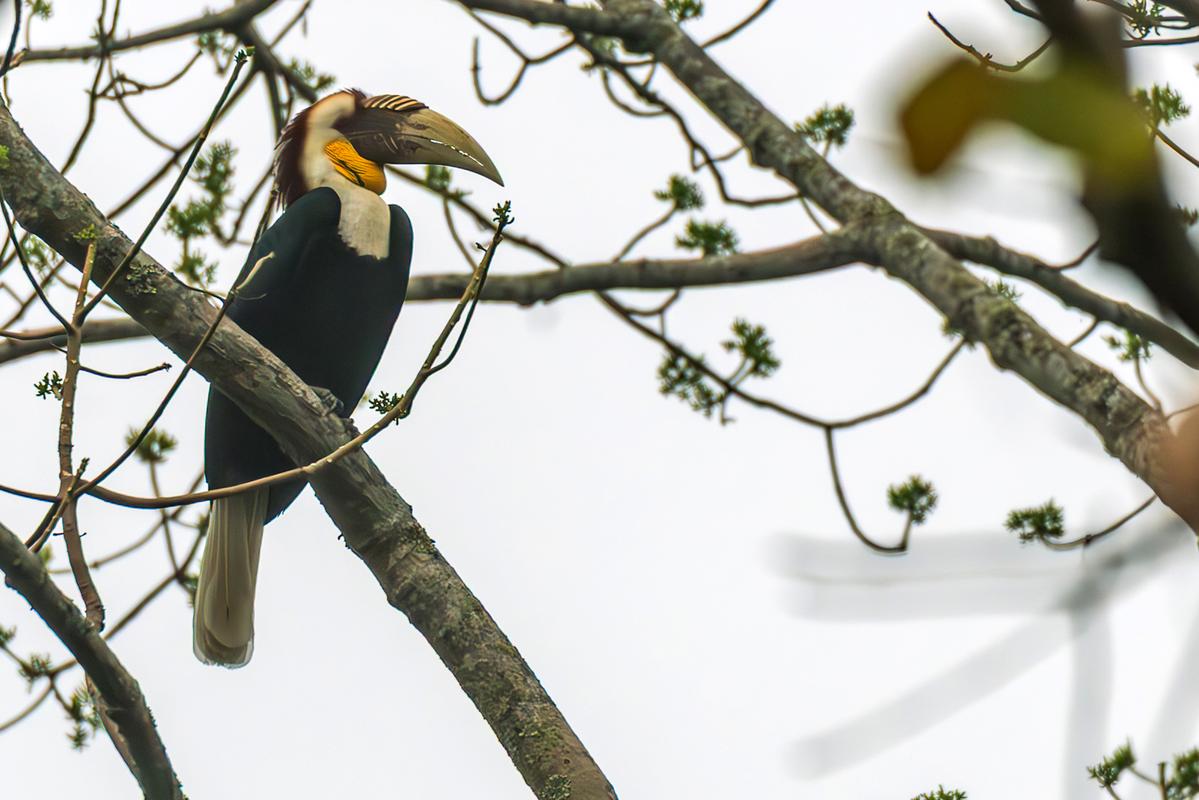
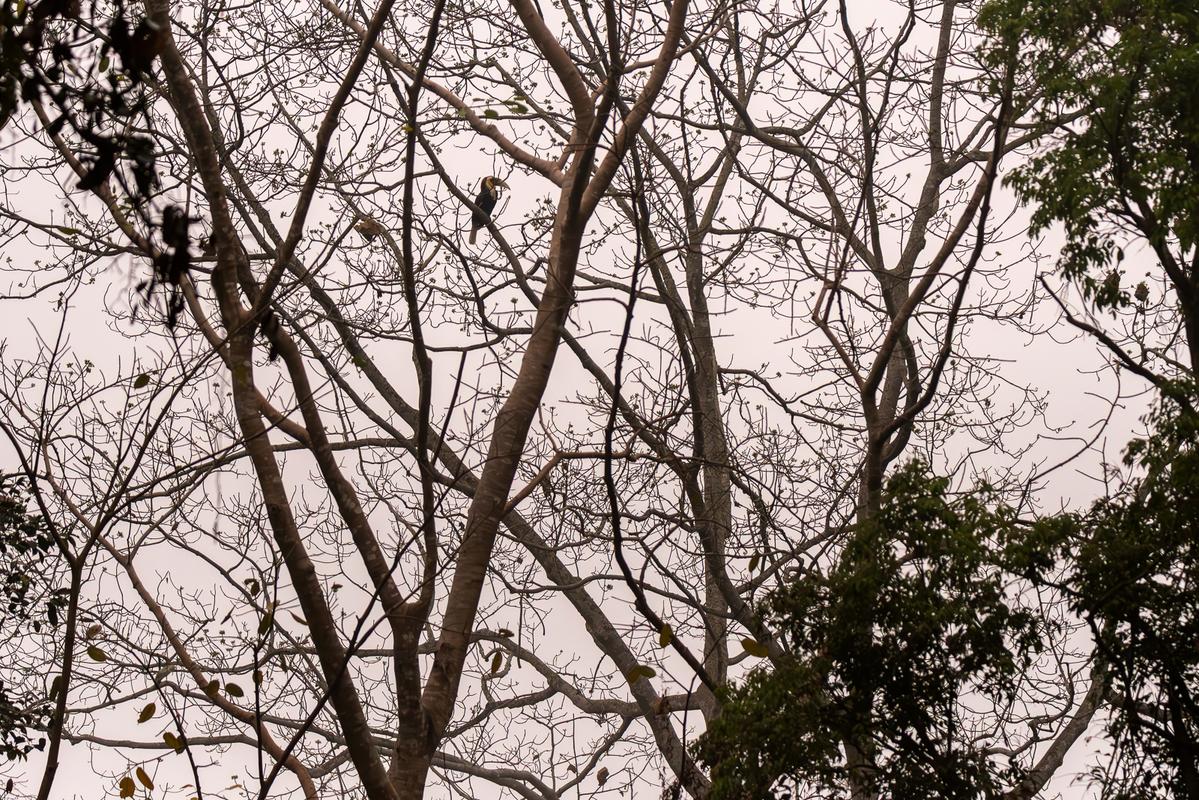
We stayed at a cozy place called Kino Homestay. Early in the morning, on February 28th, we woke up before the sun! We heard the grand sound of hornbills flying – it was like a giant whoosh! We even saw a male Wreathed Hornbill sitting high on a branch. Taking pictures was tricky because they fly so high and the trees are super thick.
Did you know lady Hornbills seal themselves in a tree nest to lay eggs? The daddy bird brings them food! In Pakke, people who used to hunt them now protect their nests. Isn’t that amazing? Our guide, Dina, is from the Nyishi tribe, and her family helps keep these birds safe. This special project is called the Hornbill Nest Adoption Program.
Tips for Your Own Pakke Adventure!
- Wake up early: Birds are most active in the morning!
- Be patient: Sometimes you have to wait to see them.
- Bring binoculars: They help you see birds far away!
- Respect the forest: Don’t make loud noises.
Pakke isn’t just for Hornbills; it also has tigers and elephants! It’s a wonderful place where people and wildlife work together. Protecting places like Pakke means these amazing birds, like the Wreathed Hornbill, will have a home for many years to come.
Let’s Keep Exploring!
My trip to see the Wreathed Hornbill in Pakke was unforgettable. It taught me how important it is to protect our amazing planet and its creatures. What’s your favorite bird? Tell me in the comments! And keep an eye out for more birding adventures!
My Incredible Journey to Pakke: A Wreathed Hornbill Haven!
The jungle air was thick with anticipation, a symphony of unseen life stirring as the first hint of dawn painted the Eastern Himalayan sky. On February 27, 2026, my long-awaited birding adventure to Pakke Tiger Reserve officially began. This trip, dreamt of since 2023, was a pilgrimage to witness the majestic Wreathed Hornbill in Pakke, a species that had eluded my lens in quality before. Joined by fellow enthusiasts Souranil and Soham, we were ready to immerse ourselves in this biodiversity hotspot.
Hornbill Lore: Understanding the Wreathed Hornbill in Pakke
India is a treasure trove for hornbill enthusiasts, boasting nine distinct species, six of which grace the dense forests of North East India and North Bengal. These include the Great Hornbills, Oriental Pied Hornbills, Indian Grey Hornbills, Rufous-necked Hornbills, Austen’s Brown Hornbills, and, of course, the magnificent Wreathed Hornbill (Rhyticeros undulatus). The Wreathed Hornbill is easily identifiable by its robust size, the male’s striking yellow gular pouch and ridged casque, and the female’s blue facial skin.
Known as “farmers of the forest,” hornbills are crucial seed dispersers, playing an irreplaceable role in forest regeneration. Their largely frugivorous diet ensures seeds are spread far and wide, making their conservation in places like Pakke absolutely vital for the ecosystem’s health. Unfortunately, the Wreathed Hornbill IUCN status is ‘Vulnerable,’ primarily due to habitat loss and historical hunting.
Our Quest for the Wreathed Hornbill in Pakke & the Nyishi Guardians
Our base was the authentic Kino Homestay in Upper Seijosa, a true immersion into the Nyishi tribe’s way of life. Dina Brah, our incredible guide and a field coordinator for the Hornbill Nest Adoption Program (HNAP), was our beacon in the jungle. Her knowledge, coupled with the inspiring story of her father, a former hunter turned conservationist, highlighted the profound shift in the Nyishi community.
Early on February 28th, we were out by 6 am. The sound of hornbills flying overhead at 8:20 am was truly majestic – a deep, resonant whoosh that hinted at the presence of Wreathed Hornbill male and female pairs. We soon spotted a male Wreathed Hornbill perched, a fleeting but beautiful moment.
Our primary challenge was capturing these elusive birds. The nests were incredibly high, and the dense forest created numerous obstructions. We learned that if humans are spotted near nesting sites, the hornbills might delay approaching for clearing, a local insight that underscored the delicate balance of our presence. While I struggled with telephoto reach and dense canopy, Souranil managed some fantastic flight shots of the Wreathed Hornbills, a testament to his quick reflexes.
During one attempt, a group of Great Hornbills actually chased away the Wreathed Hornbills we were observing. It was a stark reminder of the wild, unpredictable nature of the forest. The Wreathed Hornbill diet mainly consists of fruits, but they are opportunistic feeders.
The Hornbill Nest Adoption Program: A Conservation Success
Pakke Tiger Reserve is globally celebrated for its community-led conservation, especially the HNAP. This program has transformed the Nyishi people from historical hunters (who once used hornbill beaks for traditional headgear) into dedicated ‘Nest Protectors.’ Local villagers, including those in Seijosa, now guard Wreathed Hornbill female nesting sites and other hornbill species, ensuring their survival. Dina, as a field coordinator, bridges scientific monitoring with traditional Nyishi knowledge, making this a true success story. Hearing the distinctive Wreathed Hornbill call echoing through the forest makes you truly appreciate their protection.
Tips for Photographing & Visiting Pakke
- Gear Up: A camera with a powerful telephoto lens (like my Tamron 150-600mm) is essential for hornbills. Nests are often very high.
- Hire a Local Guide: Dina Brah (contact details can be obtained via NCF) was invaluable. Local guides understand the terrain, bird behavior, and can help navigate sensitivities around nesting sites.
- Patience is Key: Hornbill photography requires immense patience. They can be elusive. Sometimes you’ll get great shots; sometimes, like me with the flying shots, you won’t. That’s part of the game!
- Best Time: Early mornings are crucial. Hornbills are most active then, especially when flying to and from roosts or nests.
- Respect the Wildlife: Maintain distance, be quiet, and never disturb nesting birds. Our guides emphasized this, as human presence can deter parents.
- Accommodation: Kino Homestay offers an authentic, comfortable stay with hot water and good mobile network (Airtel worked). Cost: ~Rs 2000/person/day for stay & food.
- Logistics: Cab from Itanagar to Pakke was Rs 4500. Dina’s guiding services were Rs 2500/day. Plan for approx. Rs 17,000+ per person for a weekend trip (flights included).
While Manas National Park (our next destination) seemed more organized for photography, Pakke offers a raw, immersive experience. It’s truly a destination for those who enjoy the path less traveled, where the sight of a Wreathed Hornbill feels like a hard-earned victory.
Reflections & Future Journeys: Protecting Pakke’s Wreathed Hornbills
My journey to Pakke was more than just a birding trip; it was a profound lesson in community conservation and the resilience of nature. Witnessing the dedication of the Nyishi people and the sheer majesty of the Wreathed Hornbill has left an indelible mark. Though capturing perfect shots proved challenging, the experience itself was priceless.
Have you visited a conservation hotspot that inspired you? Share your stories in the comments below! Don’t forget to follow my blog for updates on my continuing adventures, including my upcoming trip to Manas. For more insights into hornbill conservation and the incredible work in Pakke Tiger Reserve, check out related posts on the Hornbill Nest Adoption Program.
Key Takeaways from Our Pakke Adventure:
- Guide: Dina Brah (Nyishi tribe, HNAP Field Coordinator)
- Location: Pakke Tiger Reserve, Arunachal Pradesh
- Main Species Spotted: Wreathed Hornbill, Great Hornbill (observed chasing)
- Season: Late February (ideal for hornbills)
- Accommodation: Kino Homestay, Upper Seijosa

- My Incredible Journey to Pakke: A Wreathed Hornbill Haven in the Eastern Himalayas! - February 28, 2026
- Bhigwan Adventure: Spotting Bengal Fox and Majestic Predatory Birds - February 2, 2026
- Encountering the Majestic Bengal Tiger in Misty Pilibhit: A Winter Safari Tale - January 21, 2026