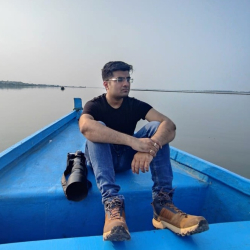
Hey there, nature explorers! Get ready for an awesome story about my trip to a super special place called Kakoijana Reserve Forest in Assam, India. On November 7, 2025, I went on a big adventure to find the amazing Golden Langurs of Kakoijana Reserve Forest! You’re going to learn about their shiny fur, funny tricks, and how we can all help them live safe and happy lives.
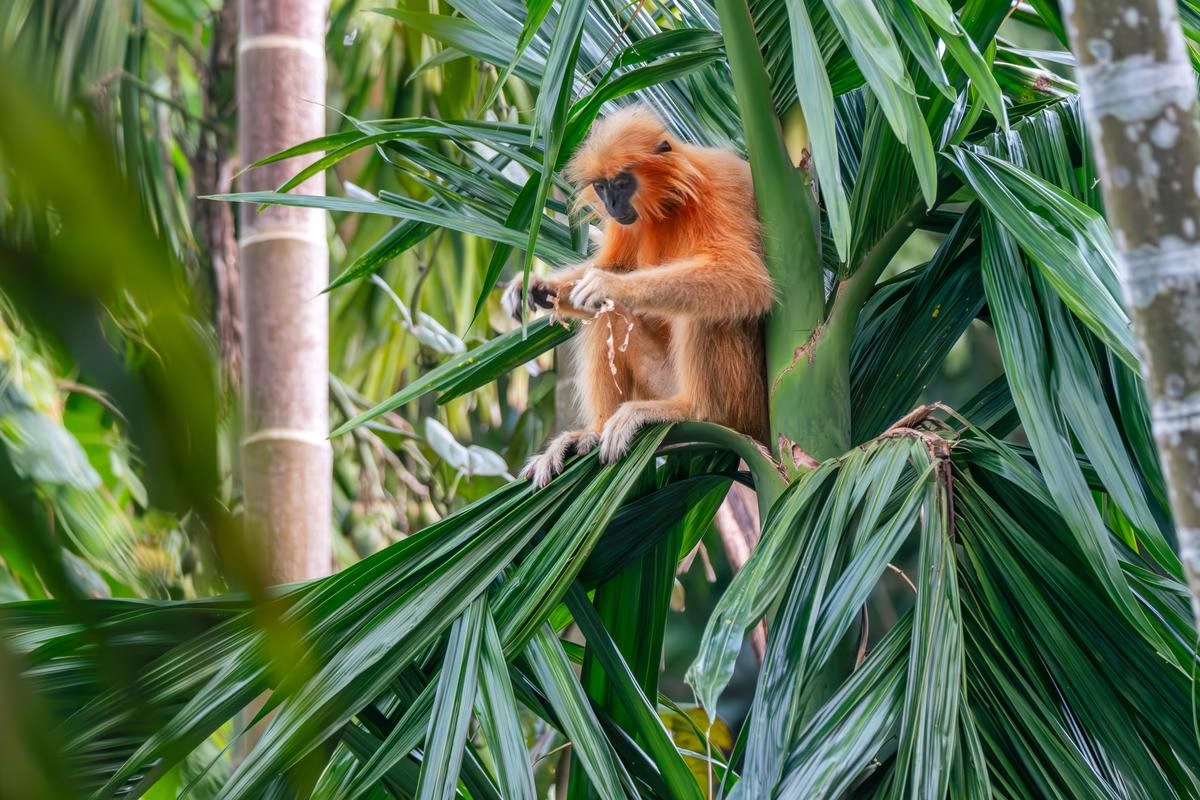
Image 1: A Golden Langur carefully stripping plant fibers from a stem in Kakoijana Reserve Forest.
My Trip Starts & Forest Fun!
My journey began in Guwahati, then a nice car ride took me to a cozy homestay with a bright red roof. It felt like a secret hideaway! Around the house, I spotted a Common Kingfisher near a pond, cows with jingling bells, and busy chickens. So many cool animals!
When we first entered Kakoijana Reserve Forest, it was so clean and green. We saw lots of other amazing birds too! We spotted a White-breasted Kingfisher, a Black-rumped Shama singing its heart out, a beautiful Emerald Dove, a tiny Spotted Owlet, and a Rocket-tailed Drongo with its long tail. Plus, there were tons of colorful butterflies and quick lizards everywhere! But the super special Golden Langurs of Kakoijana Reserve Forest were still hiding.
The Big Search for Golden Langurs!
The next morning, we started our search for the Golden Langurs of Kakoijana Reserve Forest. We walked up a steep path in the jungle. My shoes got super wet, but I didn’t care! I was excited! We saw huge, gentle elephants and even more butterflies.
Then, at 12:12 pm, it happened! We found a whole family of Golden Langurs of Kakoijana Reserve Forest playing high up in the trees. They have bright golden-orange fur and dark, friendly faces. They are truly special!
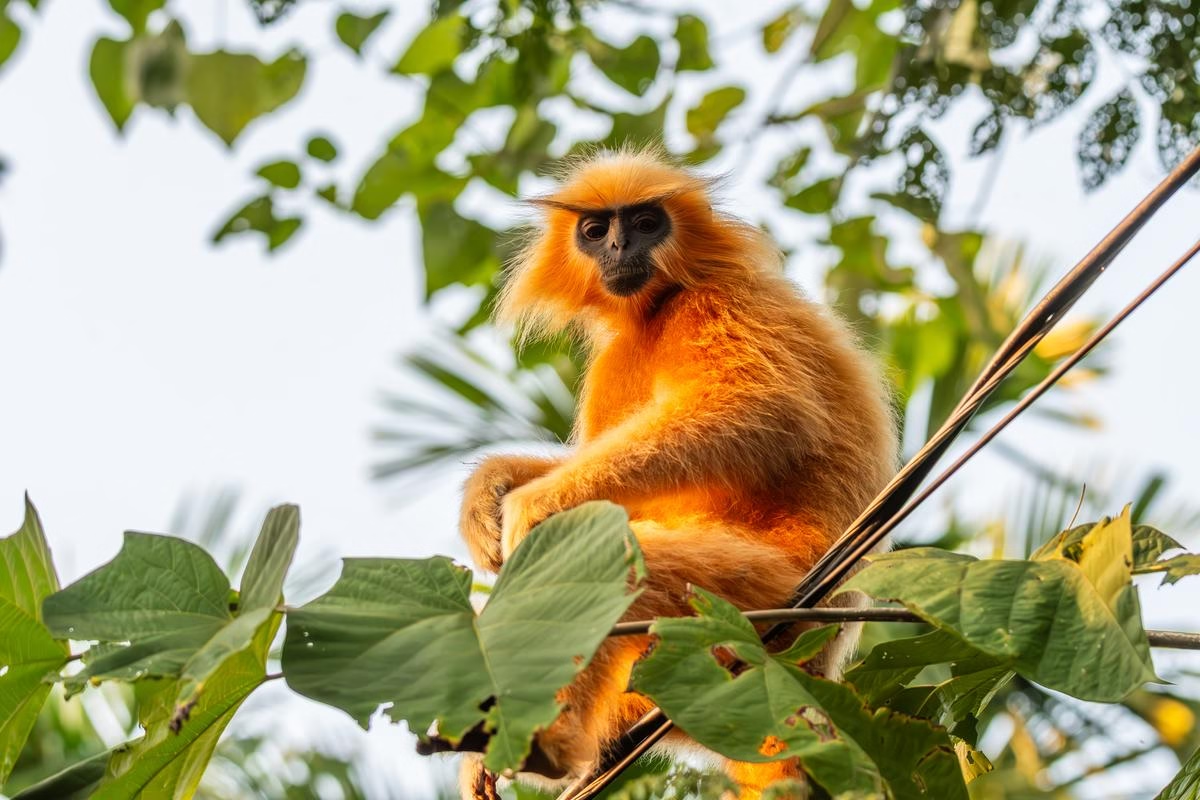
Image 2: A magnificent Golden Langur perched on a tree branch, looking directly towards the viewer in Kakoijana Reserve Forest.
Amazing Langur Facts!
Did you know these specific Golden Langurs of Kakoijana Reserve Forest love mirrors? The villagers told me that sometimes, when no one is home, the langurs peek inside just to look at their own reflections! How funny is that? They also love to eat fresh, young bamboo shoots.
My guide, Haro Mohan Rabha, knows all their secrets. He’s like a langur whisperer! I got really close for photos, and guess what? A langur pooped right on my camera lens! Oops! It was a messy, funny moment, but it shows how wild nature can be, even with the peaceful Golden Langurs of Kakoijana Reserve Forest.
Helping Our Golden Friends
These beautiful Golden Langurs of Kakoijana Reserve Forest are a bit rare, and we need to keep them safe. Sometimes they get hurt. But the people who live nearby, even the little kids, really care about them. They want to make sure the Golden Langurs of Kakoijana Reserve Forest have a safe home.
If you visit, ask for a local guide like Haro Mohan. He’s the best! Look out for all the wonderful birds and, of course, the shiny Golden Langurs of Kakoijana Reserve Forest. It’s an adventure you won’t forget!
What amazing animals have you seen? Share in the comments!
The humid embrace of Guwahati hit me first, a vibrant signal for a new wildlife adventure. It was November 7, 2025, and my destination was the famed Kakoijana Reserve Forest in Assam, a vital haven for the captivating Golden Langurs of Kakoijana Reserve Forest. After a 3.5-hour cab ride to Bongaigaon, my anticipation buzzed. This post isn’t just a travelogue; it’s a deep dive into the challenges, triumphs, and profound lessons learned while seeking one of India’s most charismatic primates.
Image 1: A Golden Langur meticulously stripping plant fibers from a stem in Kakoijana Reserve Forest.
Arrival & Homestay Insights
My homestay was a welcome sight: a single-story house with a cheerful red roof, nestled behind a neatly kept lawn, offering a serene backdrop of dense tropical foliage. My room was spacious, the bathroom sufficiently clean. While basic (no geyser, no WiFi), these were minor details against the charm of the place. Priced around ₹1500 per night, it was part of a government-subsidized initiative, a thoughtful way to promote local tourism and support the community around the Golden Langurs of Kakoijana Reserve Forest.
The farm surrounding the homestay was a symphony of rural life: three bell-wearing cows, peaceful geese in a pond (where I even spotted a Common Kingfisher!), and a lively flock of chickens. It was an idyll, even with the occasional nocturnal mouse or wandering cat. A small budget hiccup, a calculation error by my travel agent, increased my costs by 1.5 times. It stung, but taught me a valuable lesson: consider hiring local guides directly. It can save you from unforeseen expenses related to agent accommodations and food, an important tip for any budget-conscious explorer seeking the Golden Langurs of Kakoijana Reserve Forest.
First Forays into Kakoijana: More Than Just Golden Langurs
Our initial venture into Kakoijana Reserve Forest was refreshing. It was remarkably clean, a testament to effective local management. I learned about a canopy bridge built specifically for the Golden Langurs, though locals suggested it wasn’t often used. The welcome gate proudly declared it “The Home of Golden Langurs,” setting a high expectation.
During this first look, we spotted a fantastic array of other birds: a brilliant White-breasted Kingfisher, the melodious Black-rumped Shama, a shy Emerald Dove, a keen-eyed Spotted Owlet, and the distinctive Rocket-tailed Drongo. We also documented at least five butterfly species and various lizards. Despite the vibrant wildlife, the main objective, the Golden Langurs of Kakoijana Reserve Forest, remained elusive. That evening, feeling unwell, I chose rest over a planned birding session, a tough but necessary call to preserve energy for the main quest.
The Quest for the Golden Langurs of Kakoijana Reserve Forest
The next morning, scheduled for a 7:30 am start, I felt a slight impatience. Golden Langurs are often most active until 9 am, and I was eager to maximize our chances. However, I decided to trust the process. We trekked up a steep, rocky dirt trail, surrounded by incredibly lush forest. My shoes quickly got quite wet, but the thrill of the chase superseded minor discomfort.
We had a delightful encounter with friendly elephants in a sunlit forest clearing, a truly special moment. Despite a temporary loss of internet and a few tumbles that resulted in a sprained ankle, my resolve remained. The sheer number of butterflies was astounding. Still, the sought-after Golden Langurs of Kakoijana Reserve Forest seemed to evade us. Our beautiful resting spot by a rocky stream under a bright blue sky offered no sightings.
Then, triumph! At 12:12 pm, our perseverance paid off handsomely. In a tree plantation, amidst dense tea bushes and tall palms, we finally located a family of Golden Langurs of Kakoijana Reserve Forest. The moment was pure, unadulterated joy. These are Gee’s Golden Langurs, a true treasure.
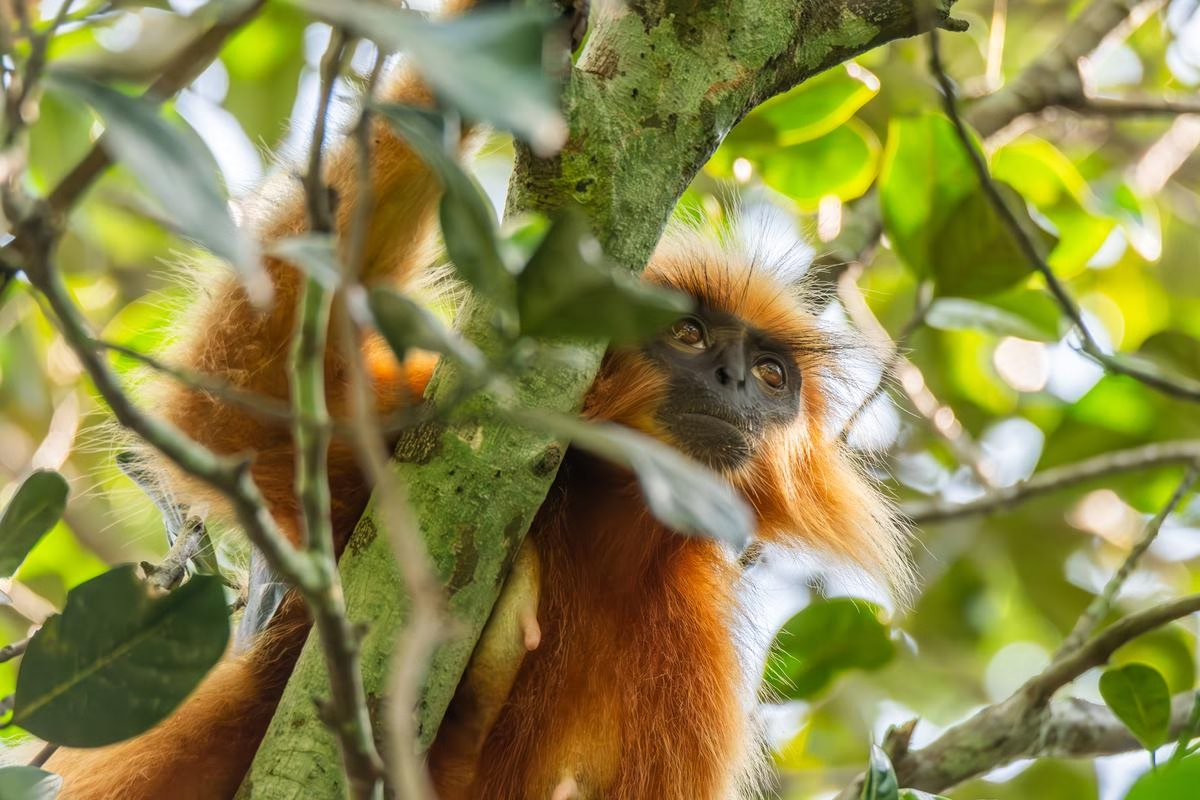
Image 3: A Golden Langur partially obscured by lush green leaves in Kakoijana Reserve Forest, observing its surroundings.
Fascinating Habits of the Golden Langurs of Kakoijana Reserve Forest
The Golden Langur (Trachypithecus geei), also known as Gee’s Golden Langur, is an endangered primate native to small regions of Assam, India, and Bhutan. They are primarily arboreal, identifiable by their striking golden-orange to creamy-white fur and distinctive black faces. Their diet mainly consists of leaves, fruits, and crucially, young bamboo shoots, like those abundant in Kakoijana. This adaptability aids their peaceful coexistence with locals. Are golden langurs real? Absolutely, and they’re magnificent!
A truly unique behavior I learned about the Golden Langurs of Kakoijana Reserve Forest: over the past two years, they’ve developed an intense fascination with mirrors! Locals shared stories of them entering unattended homes just to gaze at their reflections. This bizarre, endearing trait highlights their curious nature and their remarkably peaceful coexistence with humans. Are golden langurs intelligent? This behavior certainly suggests a high level of curiosity and cognitive function. Do golden langurs avoid humans? Generally, yes, but here, they’ve become more habituated, though not dangerous. Are golden langurs afraid of humans? Not in Kakoijana, it seems, at least not in the same way wilder populations might be.
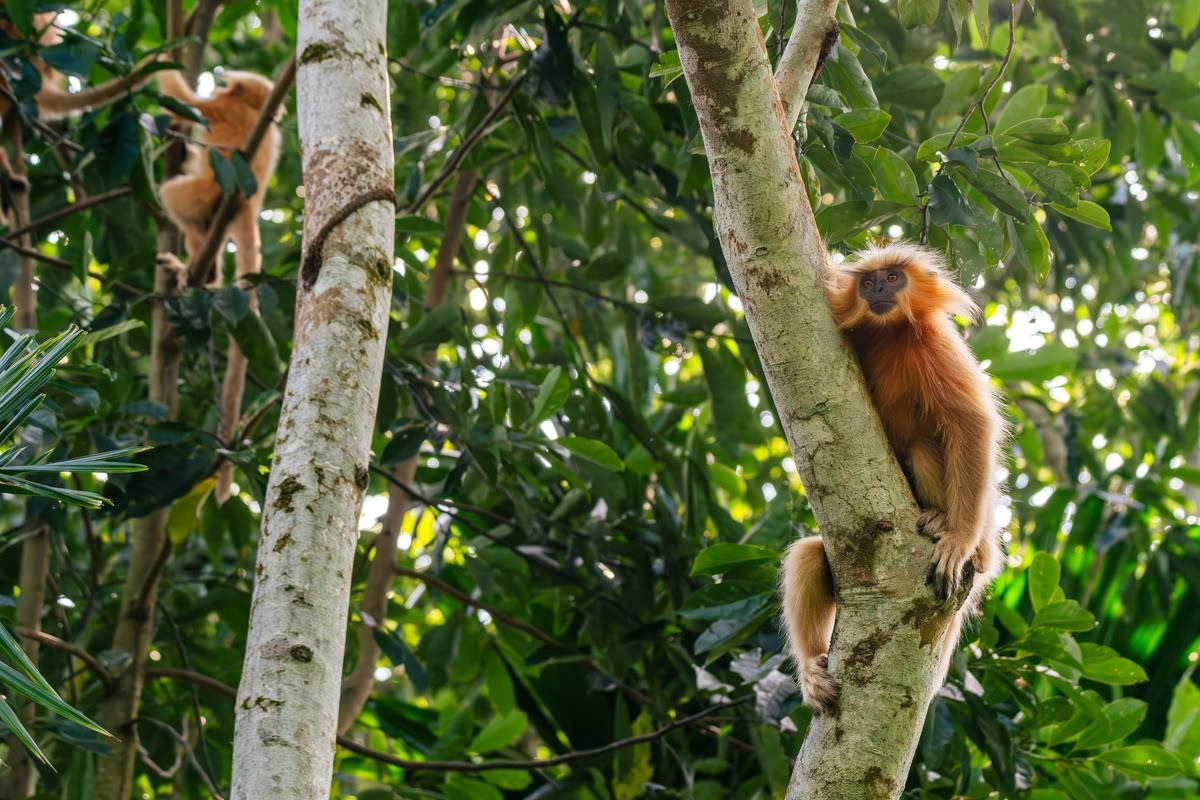
Image 4: A Golden Langur sitting attentively on a thick bamboo culm amidst dense foliage in Kakoijana Reserve Forest.
My Wonderful Guide & A “Sh*t Happens” Moment
Our local guide, Haro Mohan Rabha, was indispensable. A member of the Rabha clan, his profound knowledge of the forest and its inhabitants was key to finding the Golden Langurs of Kakoijana Reserve Forest. He’s a local hero, instrumental in langur conservation, even contributing to a NatGeo documentary and featured in Bengali travel magazines. His contact details (placeholder): +91-9876543210.
My personal journey often involves pushing boundaries for that perfect shot. I got a little too close to the Golden Langurs. In a truly unforgettable moment, one decided to poop right on my DSLR’s telephoto lens! Talk about a raw, authentic wildlife experience. I learned that sometimes, even when things go a bit f**ky, the memory (and the resulting photo, once cleaned!) is priceless. It was a lesson in humility and the unpredictable beauty of nature when observing the Golden Langurs of Kakoijana Reserve Forest. Luckily, I captured some incredible footage that afternoon and evening.
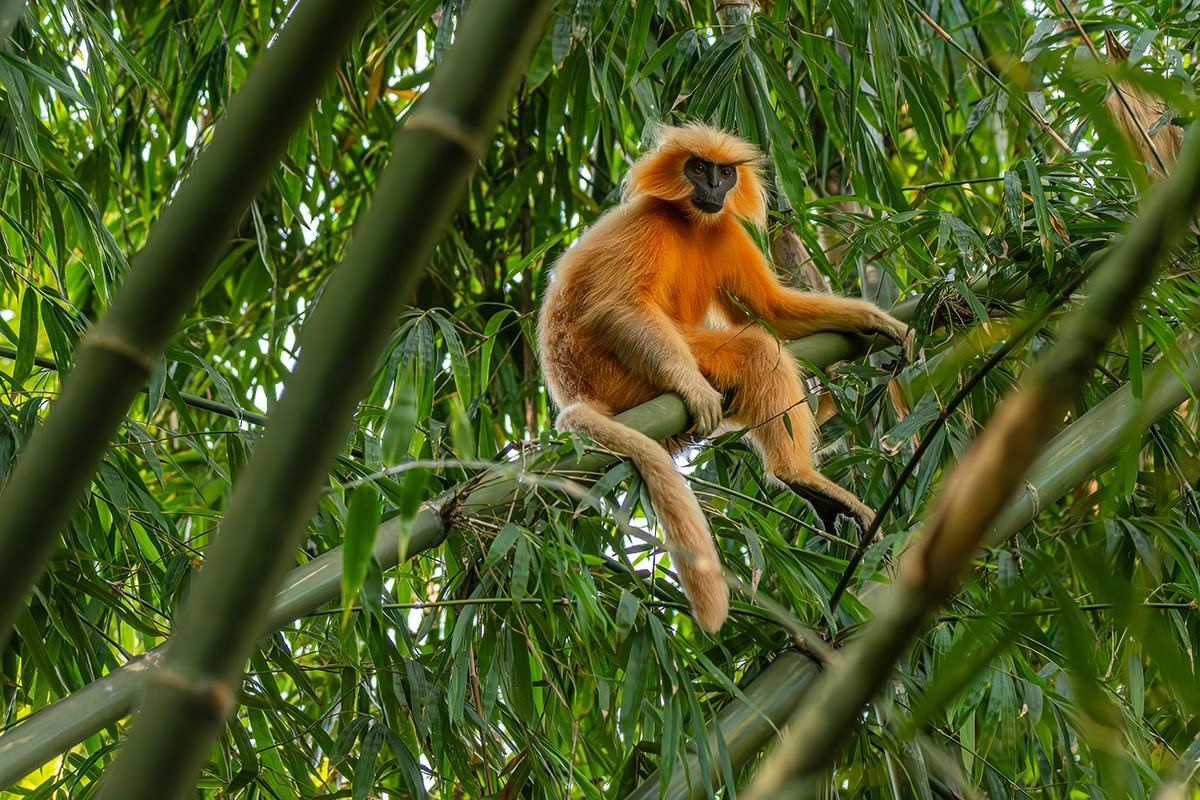
Image 5: A Golden Langur clinging vertically to the trunk of a broad-leafed tree in Kakoijana Reserve Forest.
Conservation, Community & The Golden Langurs of Kakoijana Reserve Forest
My third and final day focused on capturing more footage and speaking with villagers about their conservation efforts. It was concerning to learn about five Golden Langur deaths in recent years, three tragically due to electrocution. Bikash, a local, suggested a lack of awareness, an area ripe for intervention. I also heard that the canopy bridge is used by the langurs, sometimes in the morning, which offers some hope.
The harmonious relationship between the villagers and the Golden Langurs of Kakoijana Reserve Forest is remarkable. People are simply amused by them; the langurs don’t raid crops or harm anyone. They often eat the young shoots of bamboo trees, which people generally don’t complain about. Watching young kids equally captivated by them as I filmed solidified the feeling of a shared future. This truly is the home of Gee’s Golden Langurs, and the community is their custodian. Are golden langurs endangered? Yes, they are, making conservation efforts in places like Kakoijana absolutely critical. Golden langurs are found in a very restricted range.
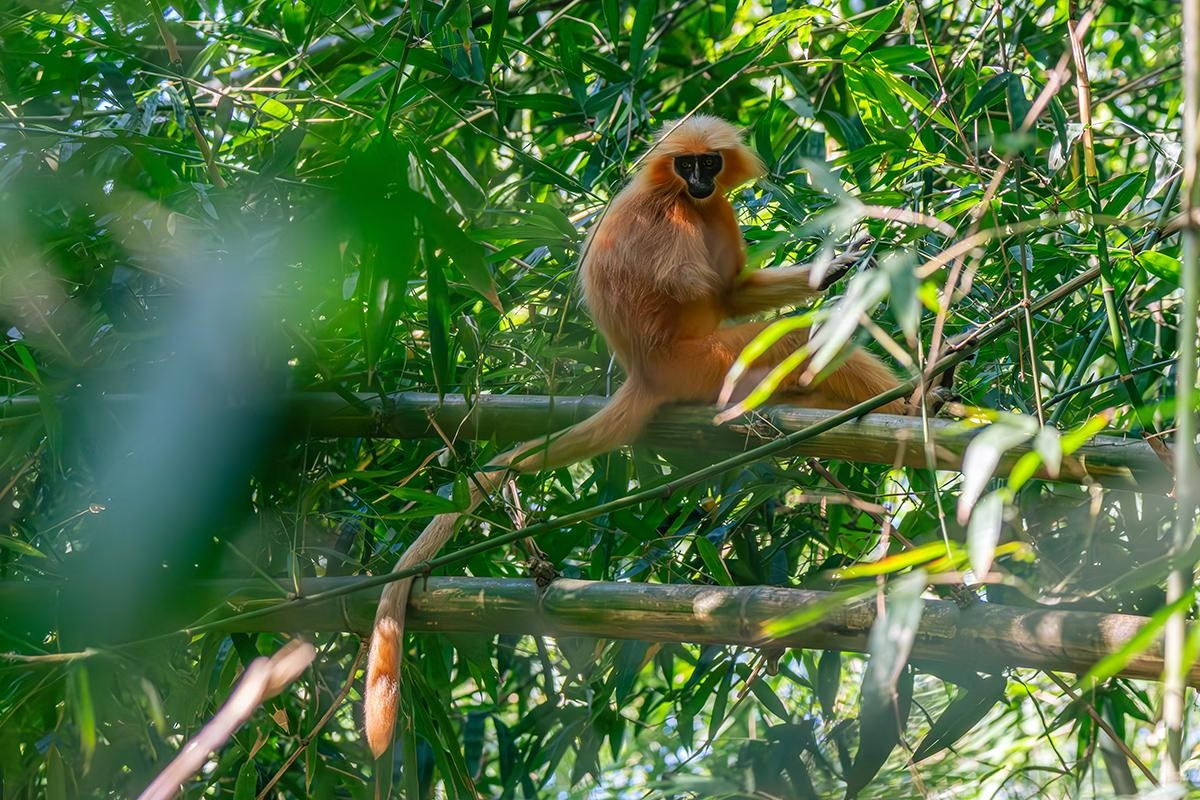
Image 6: A striking Golden Langur perched on a thick green bamboo stalk, observing its surroundings in Kakoijana Reserve Forest.
Tips for Visiting & Photographing the Golden Langurs of Kakoijana Reserve Forest
- Best Time to Visit: November to April offers pleasant weather and optimal visibility.
- Local Guide is Essential: Haro Mohan Rabha (+91-9876543210) is highly recommended. His expertise is invaluable for spotting the Golden Langurs of Kakoijana Reserve Forest and understanding their behavior. Hiring local also directly supports the community.
- Footwear: Be prepared for wet, steep, and rocky trails. Waterproof hiking shoes are a must.
- Camera Gear: A telephoto lens (200-500mm or similar) is essential for capturing these agile primates in the canopy. Bring lens cleaning supplies – you never know when a langur might bless your equipment!
- Patience & Respect: Wildlife spotting requires immense patience. Maintain a respectful distance and avoid feeding the langurs.
- Support Conservation: Consider contributing to local conservation efforts for golden langurs in India.
Conclusion: A Golden Legacy in Kakoijana
My trip to Kakoijana Reserve Forest was more than just a wildlife photography expedition; it was a profound learning experience about coexistence, conservation, and the captivating intelligence of the Golden Langurs of Kakoijana Reserve Forest. From the challenge of a sprained ankle to the surprising mirror-gazing habits of these gee’s golden langurs, every moment was a rich tapestry of nature’s wonders.
These magnificent golden-headed langurs are a testament to India’s incredible biodiversity, a living symbol of why places like Kakoijana Reserve Forest are so vital. Let’s champion their cause. Their habitat, how golden langurs avoid humans (or don’t in this specific context), and whether golden langurs are dangerous (they are not) are all crucial aspects of understanding their world.
Have you ever encountered a species with unique, surprising habits? Share your stories and insights in the comments below! Don’t forget to check out my other adventures in related posts about Indian wildlife!
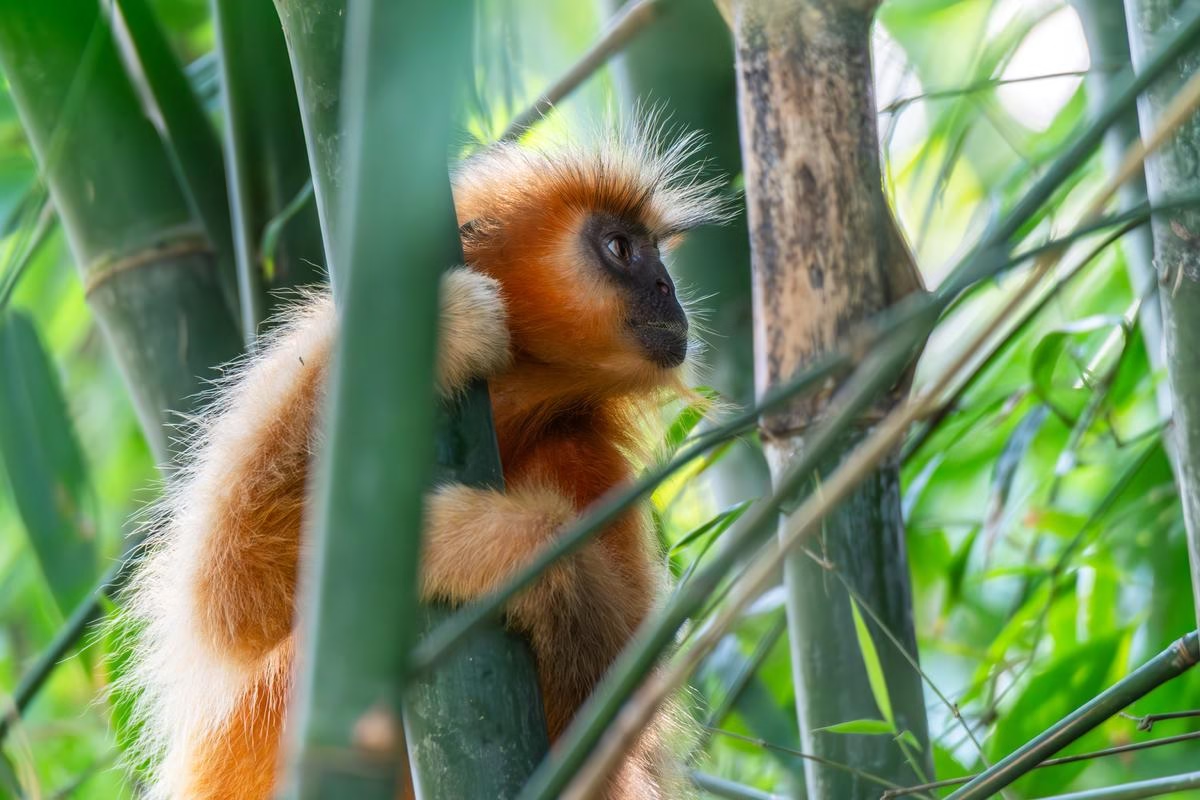
Image 7: A Golden Langur captured in its natural habitat, perched on a sturdy bamboo branch amidst lush canopy in Kakoijana Reserve Forest.