


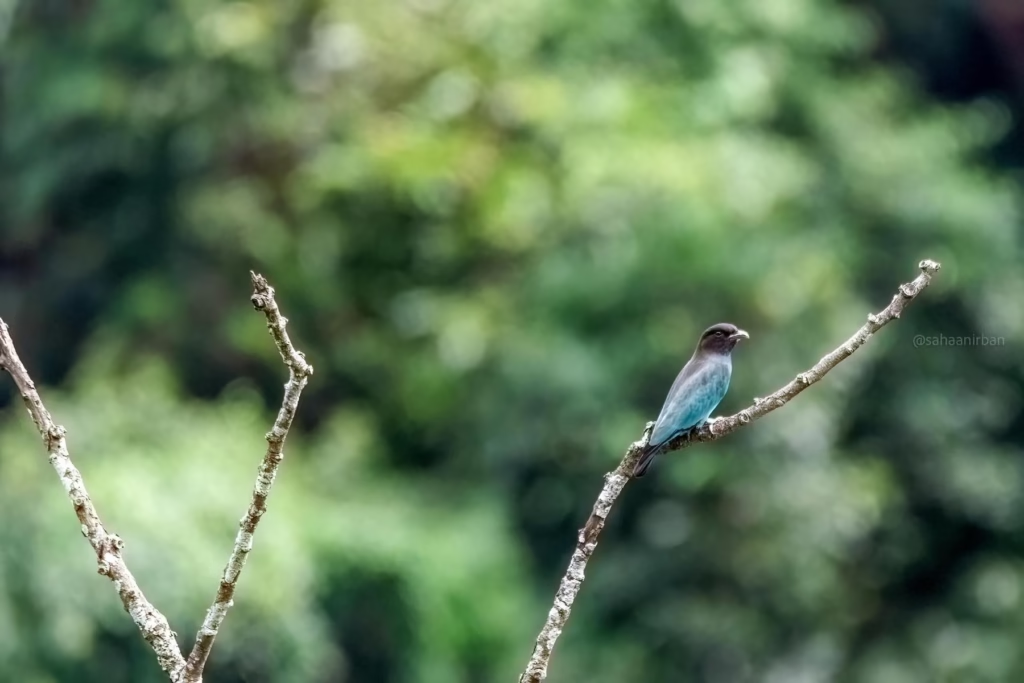
Hey fellow nature lovers! If you are anything like me, India’s rich biodiversity never ceases to amaze. Every corner holds a new surprise—a sudden flash of color or a mesmerizing call in the canopy. Few birds embody that lively spirit quite like the Rollers.
These avian marvels are true feathered jewels, boasting radiant plumage filled with electric blue, turquoise, and deep violet tones. Getting to know them on my travels across India has been a constant highlight of my birding journey.

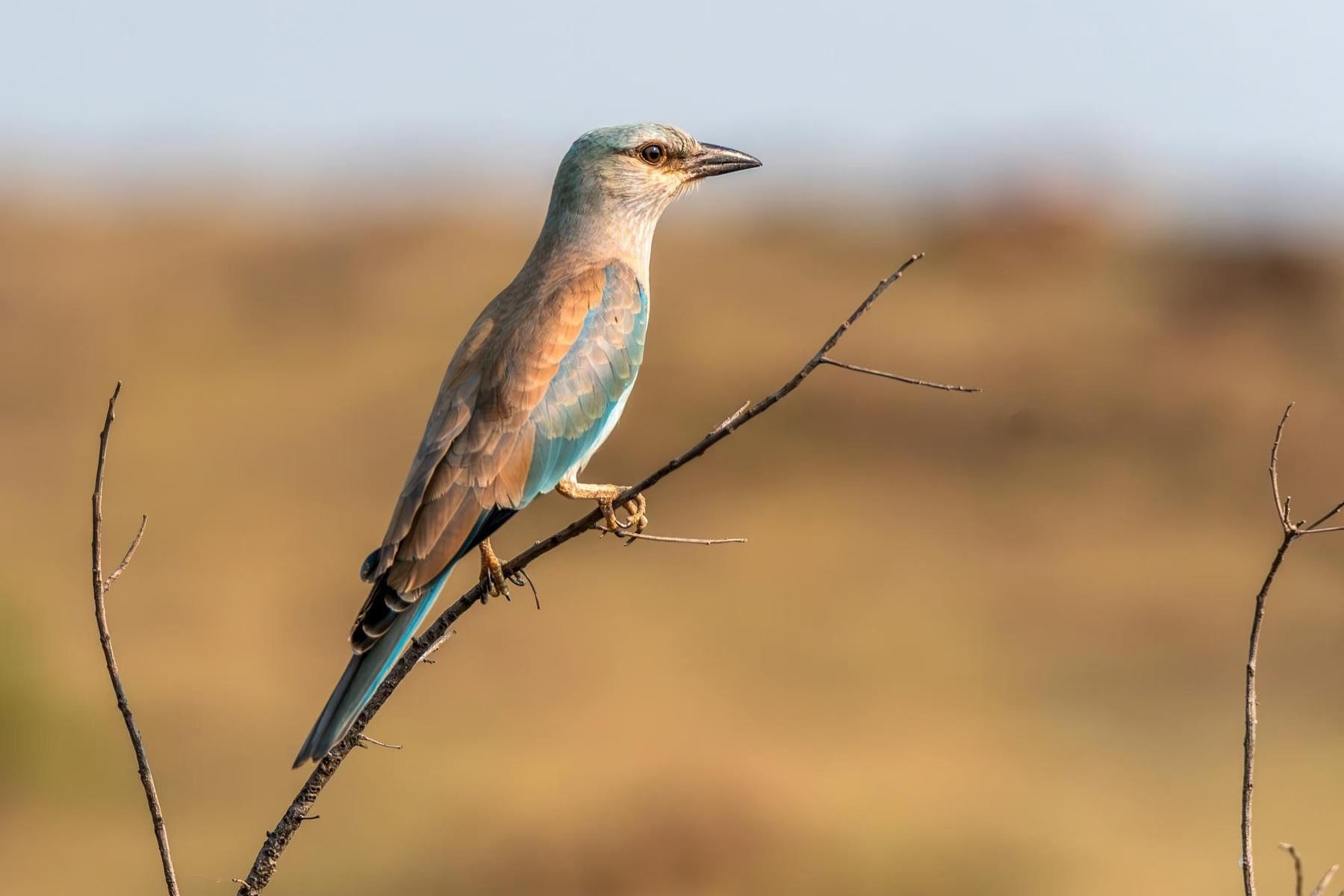
Why Are They Called “Rollers”?
The name “Roller” comes from their breathtaking aerial acrobatics. During the breeding season (or when defending territory), these birds perform dramatic courtship flights. A roller will climb high into the air before plunging into a steep, undulating dive—rolling and twisting from side to side while letting out harsh, raucous calls.
Beyond display flights, their hunting technique also reflects this dynamic agility: they dive abruptly from high perches, snatch prey off the ground or mid-air, and return to their perch to batter their catch before swallowing it whole.
1. The Indian Roller (Coracias benghalensis) – The Everyday Superstar
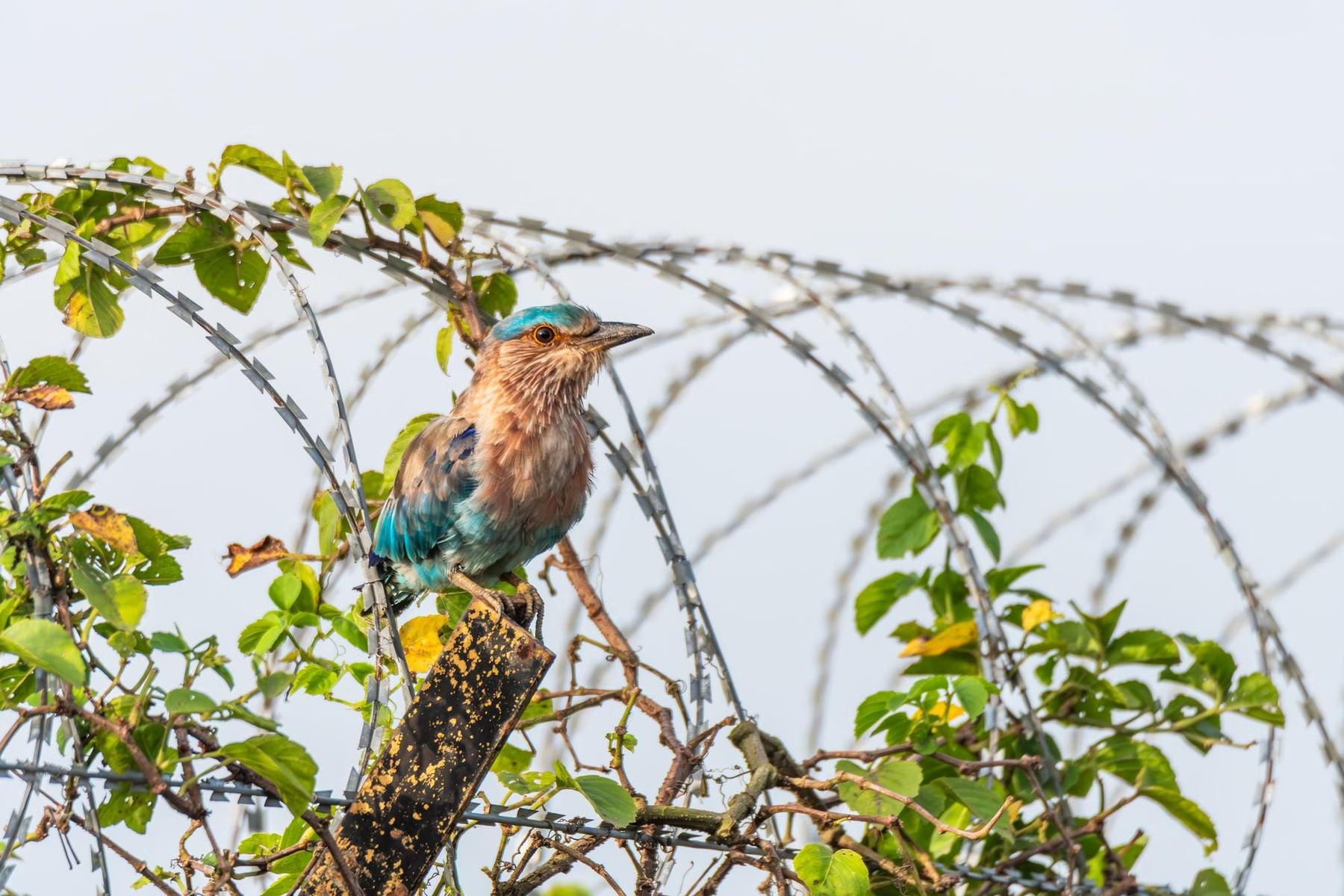
If you’ve spent any time exploring India’s open fields, farmlands, or even roadside trees, chances are you’ve already met this beauty. The Indian Roller is probably the most commonly sighted of the bunch, and it’s always a treat to see its vivid colors.
What I look for: Its striking combination of bright sky-blue on the wings, a warm rusty-brown chest, and a contrasting deeper blue on its primary feathers. When it takes flight, those flashes of brilliant ultramarine and purple are just breathtaking – it’s like a tiny, living rainbow!
Where I’ve found them: These guys love a good perch! I’ve often seen them patiently sitting on power lines, fence posts, or bare tree branches, scanning the ground below. They’re incredible hunters, suddenly swooping down with surprising speed to snatch up an insect, lizard, or even a small frog. Their preference for open habitats makes them fairly easy to spot.
My impression: The Indian Roller is like that friendly, flamboyant neighbor who always brightens your day. Their bold confidence and gorgeous colors make them an absolute delight, and their presence often highlights the rich tapestry of life thriving even in seemingly ordinary landscapes.
2. The European Roller (Coracias garrulus) – The Migratory Marvel
This species is a bit more special to spot in India, as it’s a winter visitor, migrating all the way from Europe and parts of Asia. Finding one feels like winning the birding lottery!
What I look for: The European Roller is generally a paler, softer blue-green overall compared to its Indian cousin, with less brown on its back and chest. Its head and belly have a lovely, uniform blue tone. The wings also flash vibrant blues in flight, but with a subtly different hue than the Indian Roller.
Where I’ve found them: I’ve usually encountered these in more open, sometimes drier, scrubland or woodland areas, often perching conspicuously like the Indian Roller. They prefer slightly different habitats but still hunt from prominent perches.
My impression: Each European Roller I’ve seen carries with it the story of an astonishing journey. Knowing they’ve flown thousands of kilometers to winter in India makes every sighting feel particularly precious. It beautifully illustrates the interconnectedness of our planet and the astonishing endurance of migratory birds.
3. The Oriental Dollarbird (Eurystomus orientalis) – The Broad-billed Enigma
Now, this one is a bit different from the Coracias rollers, belonging to a separate genus within the same family. It’s often called the Oriental Broad-billed Roller due to its distinctive bill, and it’s a truly captivating bird.
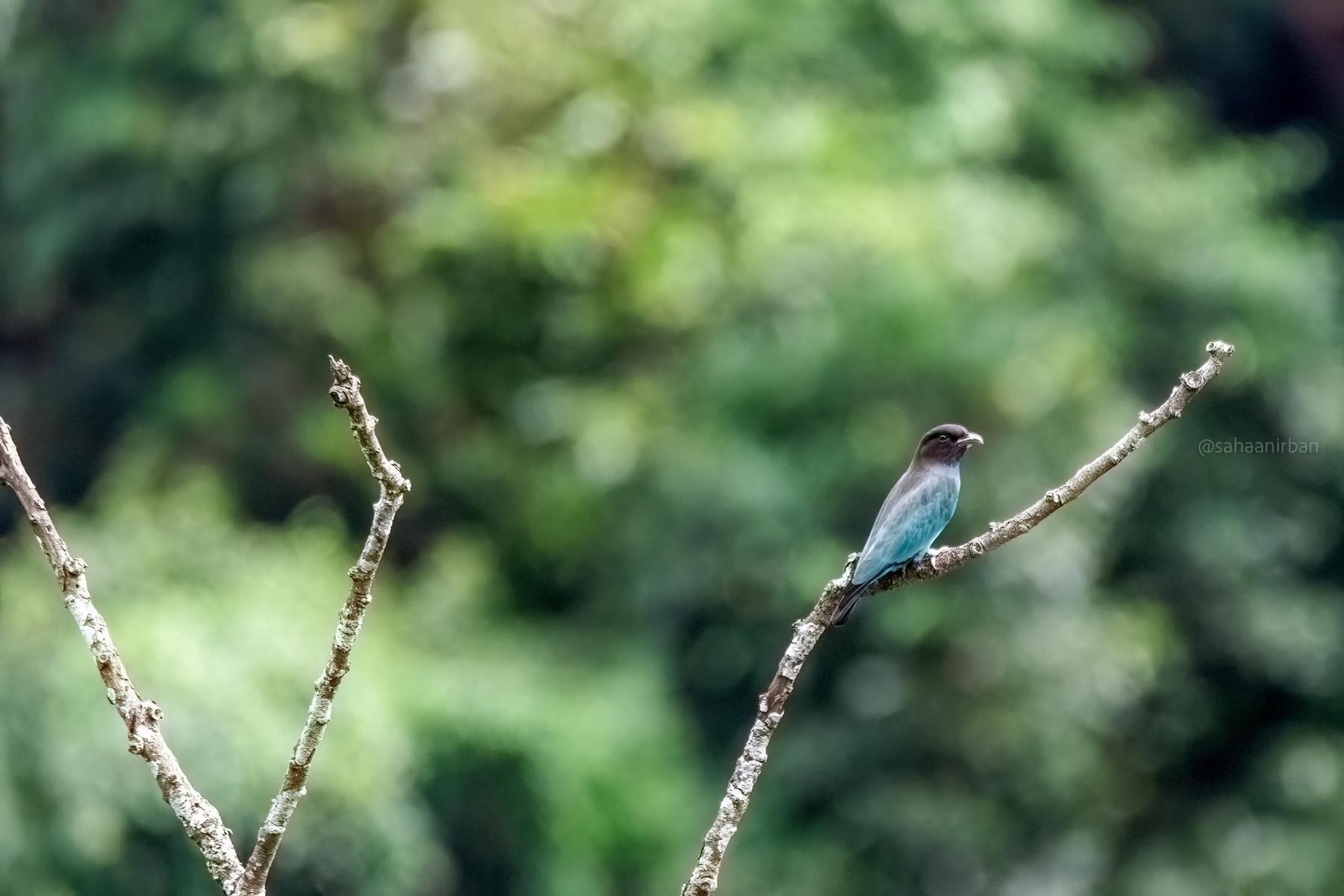
What I look for: This bird is largely a dark, glossy purplish-blue to almost black overall, which makes its bright, broad, cherry-red bill really pop! The most distinctive feature, especially in flight, is a brilliant white circular patch on its underwings – which gave it the common name ‘Dollarbird’ because it resembles a coin. It’s a slightly bulkier bird than the other rollers.
Where I’ve found them: Unlike the open-country rollers, the Oriental Dollarbird prefers more forested areas, often near water bodies. I’ve had luck spotting them at the edges of dense jungles or in areas with taller, older trees. They’re often most active at dawn and dusk, hawking for insects in the air, so spotting one can feel like a reward for early mornings or late afternoons!
My impression: The Dollarbird feels a bit more mysterious to me. Its darker plumage and preference for shadier spots give it a different vibe. But that bright red bill and those ‘dollar’ patches in flight? Absolutely mesmerising! It’s proof that beauty comes in many forms, sometimes in the most unexpected, dusky corners of the forest.
4. The Indochinese Roller (Coracias affinis) – The Northeastern Gem
Often confused with the Indian Roller due to their similarities, the Indochinese Roller is a distinct species that graces the northeastern parts of India. For keen birders, differentiating them is a rewarding challenge!

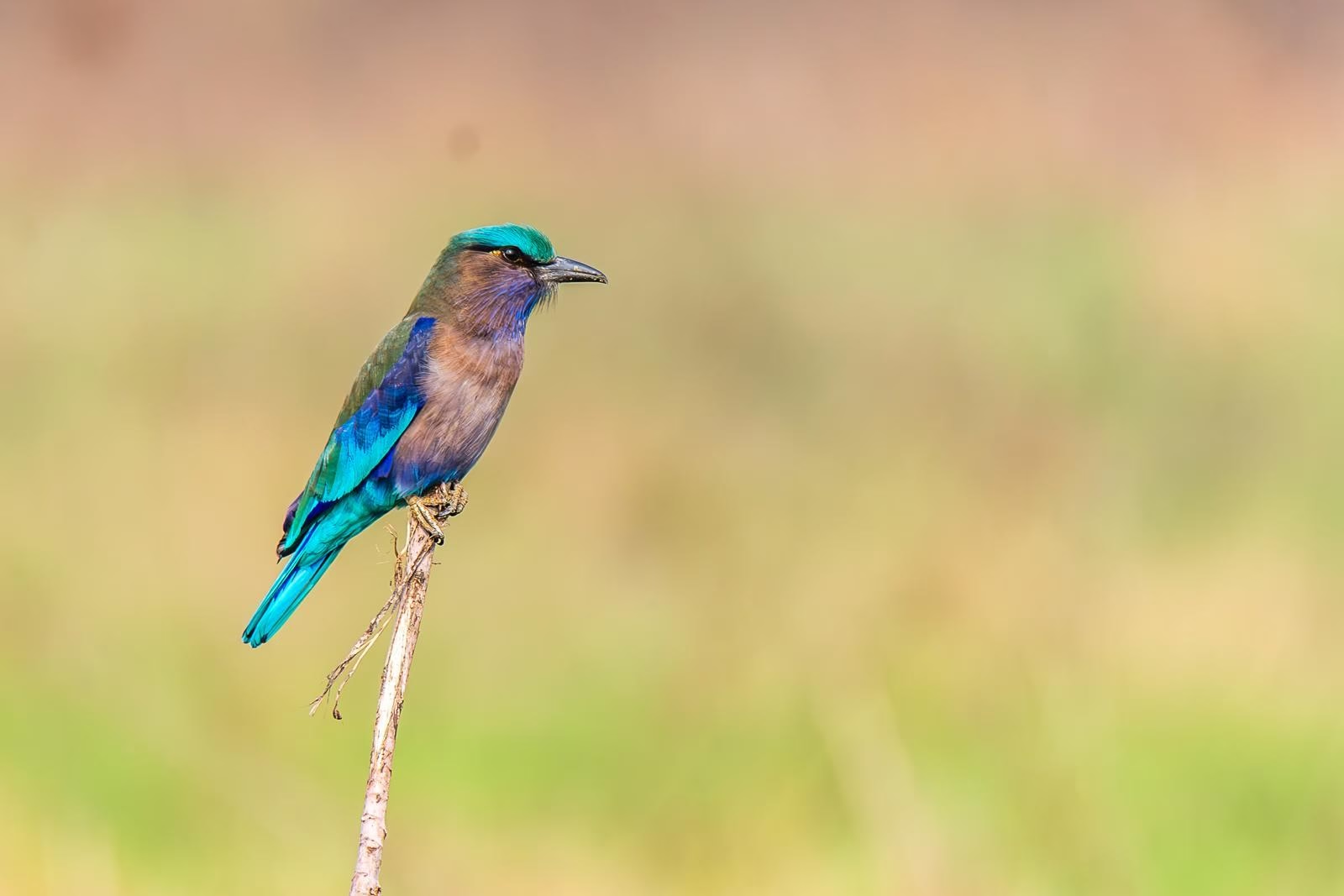
What I look for: While very similar to the Indian Roller, the Indochinese Roller generally has a deeper, more uniform purplish wash on its head and breast, extending further down its body, with less brown overall. Its wing colors tend to be more intensely blue, lacking the distinct rusty patch on the back that the Indian Roller often shows. It’s a subtle difference, but once you know what to look for, it’s noticeable!
Where I’ve found them: My encounters with these have been exclusively in the lush landscapes of Northeast India – in open country, forest edges, and cultivated areas, much like the Indian Roller, but restricted to that geographical pocket. They also perch prominently and hunt insects from above.
My impression: This roller exemplifies the remarkable diversity within a single bird family, even with subtle variations. Spotting an Indochinese Roller and appreciating its unique shades after being familiar with the Indian Roller feels like unlocking a new level of birding achievement. It underscores that nature always has more to teach us, and there’s always a nuanced beauty waiting to be discovered.

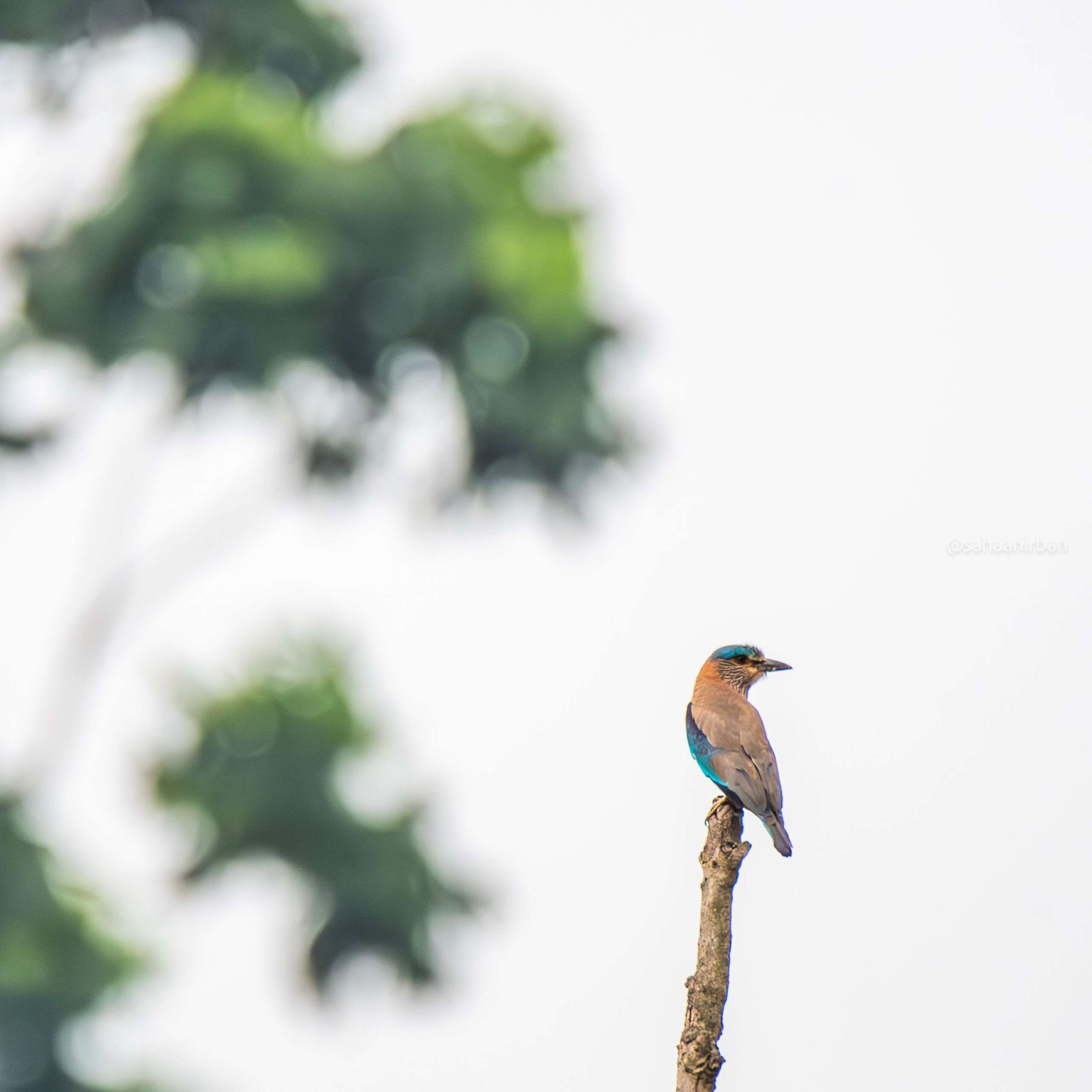
So, there you have it – India’s fantastic four Rollers! Whether you’re a seasoned birder or just starting your journey into the wild, keeping an eye out for these dazzling birds is an experience you won’t soon forget. Each sighting feels like a gift, a brilliant burst of color against the green and brown canvas of India’s diverse landscapes. Happy birding, everyone!


- India’s Dazzling Rollers: A Guide to Four Feathered Gems - October 12, 2026
- Bhigwan’s Harriers and Hyenas: A Trip Report - October 11, 2026
- Himalayan Monal ‘s Changing Voice: A Youth Call to Responsible Tourism - October 9, 2026