

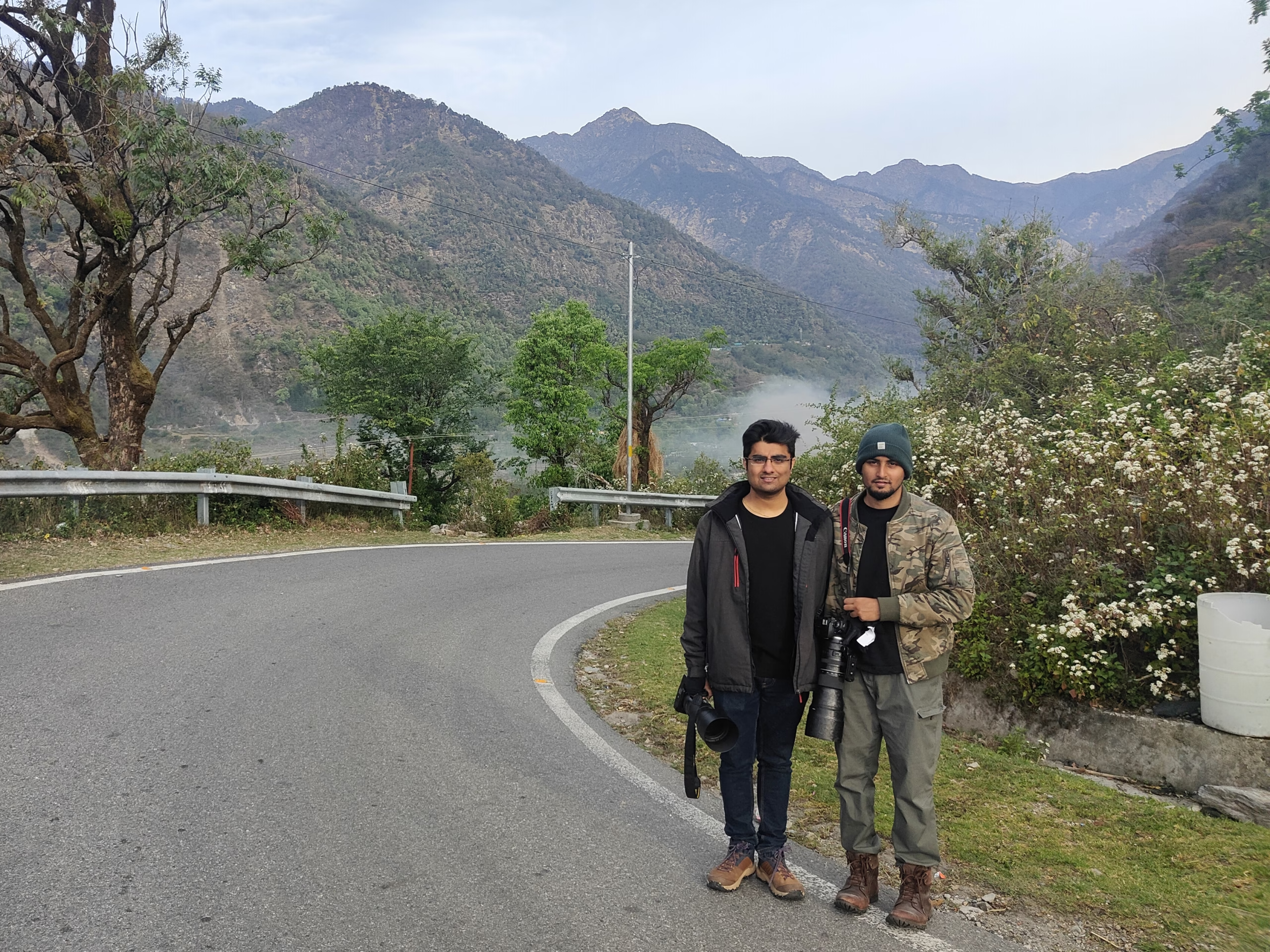
Hey everyone! I’m super excited to share my recent birding adventure with you all. On March 30th, 2024, my brother Souranil (@souranil.de), a total Himalayan Monal fanatic, and I, headed to Chopta, Himachal Pradesh, in search of this amazing bird. We were guided by the super knowledgeable Prabhat Bisht (@himalayan_boy_birdguide).
Get ready for a story full of iridescent feathers, a little bit of frustration, and a whole lot of love for the magnificent Himalayan Monal! We hope you find great use of this article, where you learn about the Himalayan Monal and birding tips.
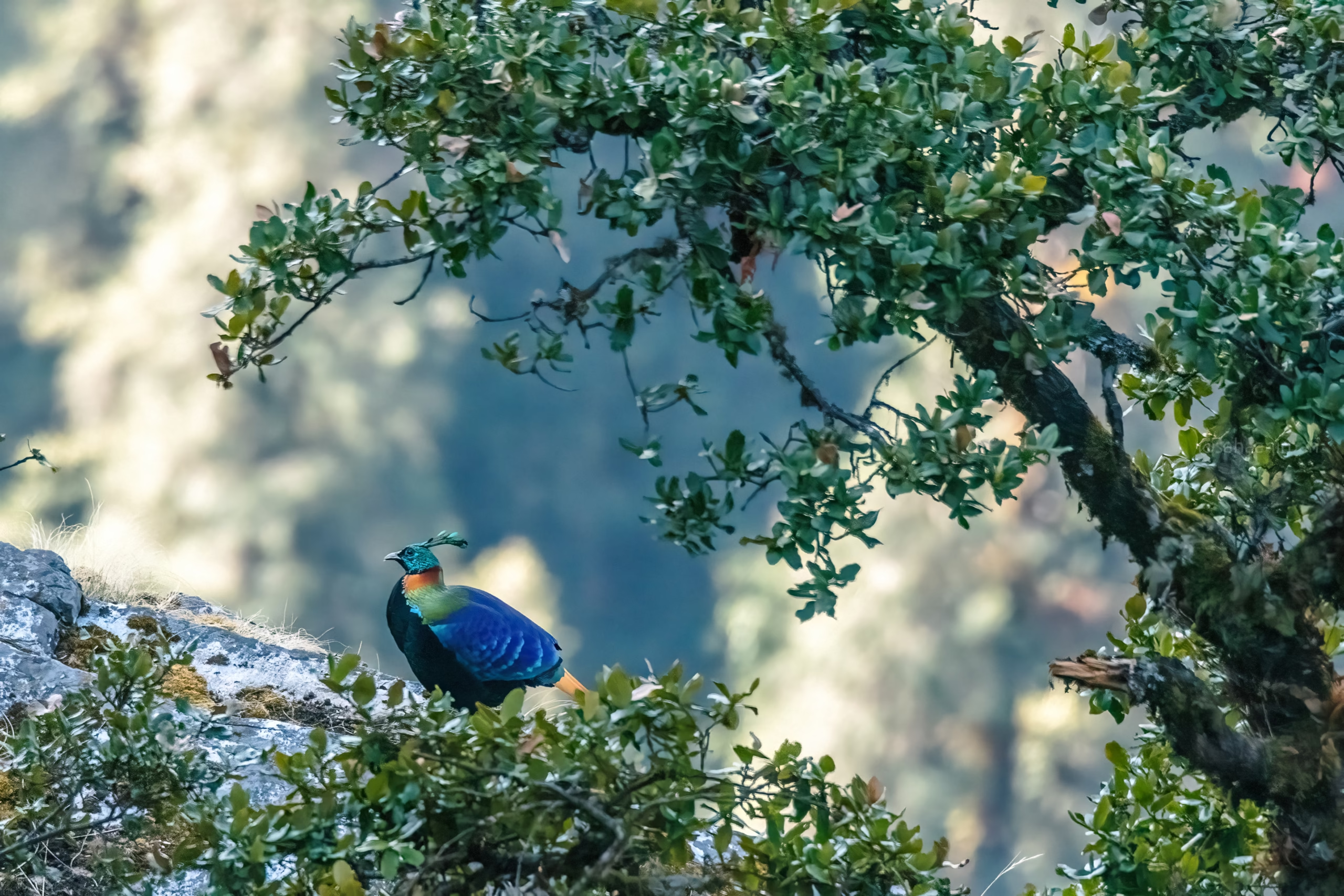

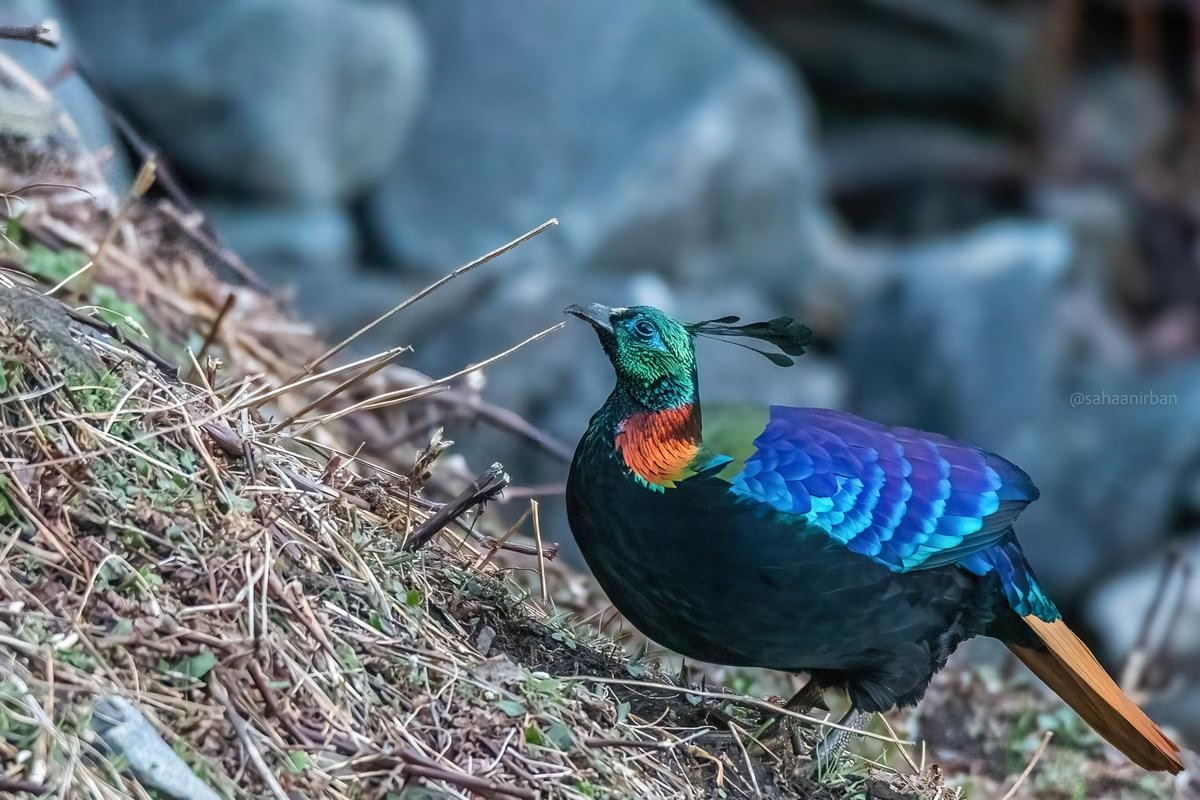
The male Himalayan Monal is a stunning, iridescent pheasant, famed for its brilliant metallic green crest and vibrant blue, red, and gold plumage. Females are duller brown. Found in high-altitude Himalayan forests, it’s the national bird of Nepal. They forage by digging for roots and insects, a magnificent sight amidst the mountains.


All About the Himalayan Monal: A Mountain Jewel
The Himalayan Monal (Lophophorus impejanus) isn’t just any bird; it’s the state bird of Uttarakhand, and it’s absolutely stunning! Belonging to the pheasant family, it’s a large bird found in the Himalayan region, from Afghanistan to Northeast India. These birds are known for their striking iridescent plumage, especially the males. The Monal boasts a rainbow of colors, including blues, greens, purples, and reds. Females, while less flashy, are beautiful in their own right, with mottled brown feathers providing excellent camouflage. Did you know that male Monals display their vibrant plumage to attract females during breeding season? It’s like a mountain fashion show! The Monal is a pheasant and not a Himalayan Monal for sale.
Featured Species: Himalayan Monal (Take 1!)
This stunning photo captures a male Himalayan Monal perched majestically on a rocky outcrop. Notice the incredible iridescent colors and the distinct crest. Prabhat told us that these birds use their strong beaks to dig for roots and tubers, especially during the harsh winters.

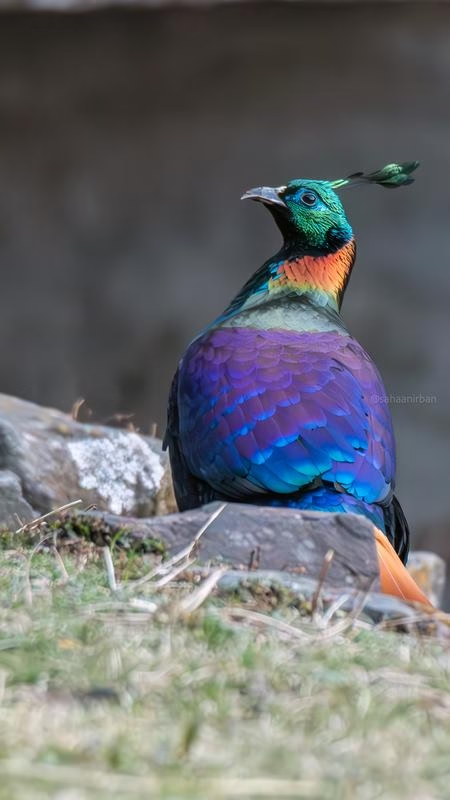
Himalayan Monal showing off its vibrant colors. Location: Chopta, Himachal Pradesh
Featured Species: Himalayan Monal (Road Crossing!)
Can you believe we saw a male Himalayan Monal casually strolling across the road? It was such a surreal moment! Apparently, they descend to lower altitudes during winter in search of food, which explains why we spotted it on the road. What a treat! The Himalayan Monal pheasant is indeed a fascinating bird.
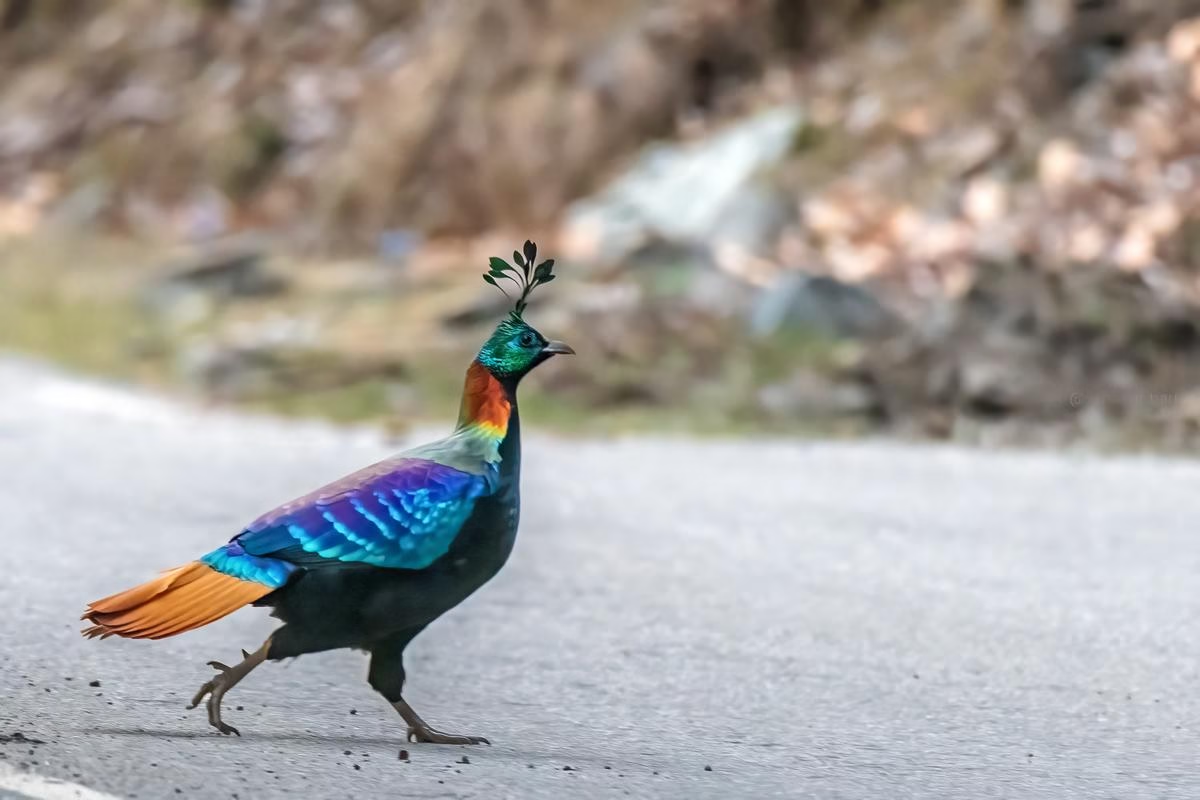
Himalayan Monal casually crossing the road! Location: Chopta, Himachal Pradesh
Featured Species: Himalayan Monal (Hillside View!)
This Himalayan Monal was giving us the perfect pose on a hillside! The light was just right, showcasing its iridescent feathers. It was digging with its strong beak! Male Himalayan Monals display their iridescent plumage to attract females, especially during the breeding season in the Himalayas. This behaviour is commonly observed during the spring months, coinciding with the time the photo was taken.
The Monal standing proud on a hillside. Location: Chopta, Himachal Pradesh
My Monal Encounter: A Comedy of Errors (and Success!)
Okay, so our first attempt at spotting the Monal wasn’t exactly smooth. These birds have a specific route they take up the hill, and our guide knew exactly where to wait. However, I completely misjudged the distance and ended up scaring the bird away! Souranil was not thrilled, but thankfully, he didn’t scold me too much. Lesson learned: pay attention to spatial estimates! The second time around, I stayed put, and we were rewarded with amazing views of the Monals going about their business. The third attempt, sadly, was a bust because some disrespectful tourists decided to ignore the restrictions and scare all the birds away. Seriously guys, don’t be that person! This also made me think about how the Himalayan Monal for sale is really not ok.
Tungnath Trek: Rain, Snow, and Distant Monals
We attempted the Tungnath Trek, hoping for more Himalayan Monal sightings, but the weather had other plans. It rained like crazy, and then it even snowed a little! We did see some Himalayan Monals in the distance, but my hands were so frozen I could barely hold my camera. Maybe next time!
Tips for Spotting the Himalayan Monal in Chopta
- Hire a Local Guide: Prabhat was invaluable in helping us find the birds and understand their behaviour.
- Be Patient and Respectful: These birds are easily scared, so avoid sudden movements and keep your distance.
- Visit During the Right Season: Spring (March-April) is a good time to see them displaying their plumage.
- Check the weather. Bad weather may ruin the trek and your sightings of Himalayan Monal.
Conservation Thoughts: Let’s Protect These Beauties
It’s so important that we protect the Himalayan Monal and its habitat. Respect the local restrictions, avoid disturbing the birds, and support sustainable tourism practices. These birds are a treasure, and it’s up to us to ensure they thrive for generations to come. Also, do not encourage the Himalayan Monal female to breed in captivity.
Conclusion: A Trip to Remember
Despite the minor setbacks, our trip to Chopta was an incredible experience. Seeing the Himalayan Monal in its natural habitat was truly magical. I highly recommend this trip to anyone who loves birding and the beauty of the Himalayas! Hope this article was of great help to understand the importance of keeping these birds safe and protected, as well as giving you tips to observe the Himalayan Monal in its natural habitat. Find the Instagram stories here.

- My Incredible Journey to Pakke: A Wreathed Hornbill Haven in the Eastern Himalayas! - February 28, 2026
- Bhigwan Adventure: Spotting Bengal Fox and Majestic Predatory Birds - February 2, 2026
- Encountering the Majestic Bengal Tiger in Misty Pilibhit: A Winter Safari Tale - January 21, 2026