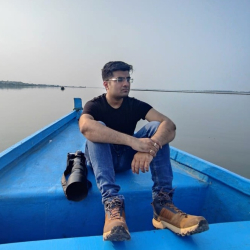
My Amazing Adventure with Golden Langurs!
Hey nature explorers! Guess what? I just came back from an amazing trip to Assam, India! On November 7, 2025, I visited a super special place called Kakoijana Reserve Forest. It’s like a secret garden where really cool animals live. Get ready to hear all about my awesome encounters, especially with the shy and beautiful Golden Langurs!
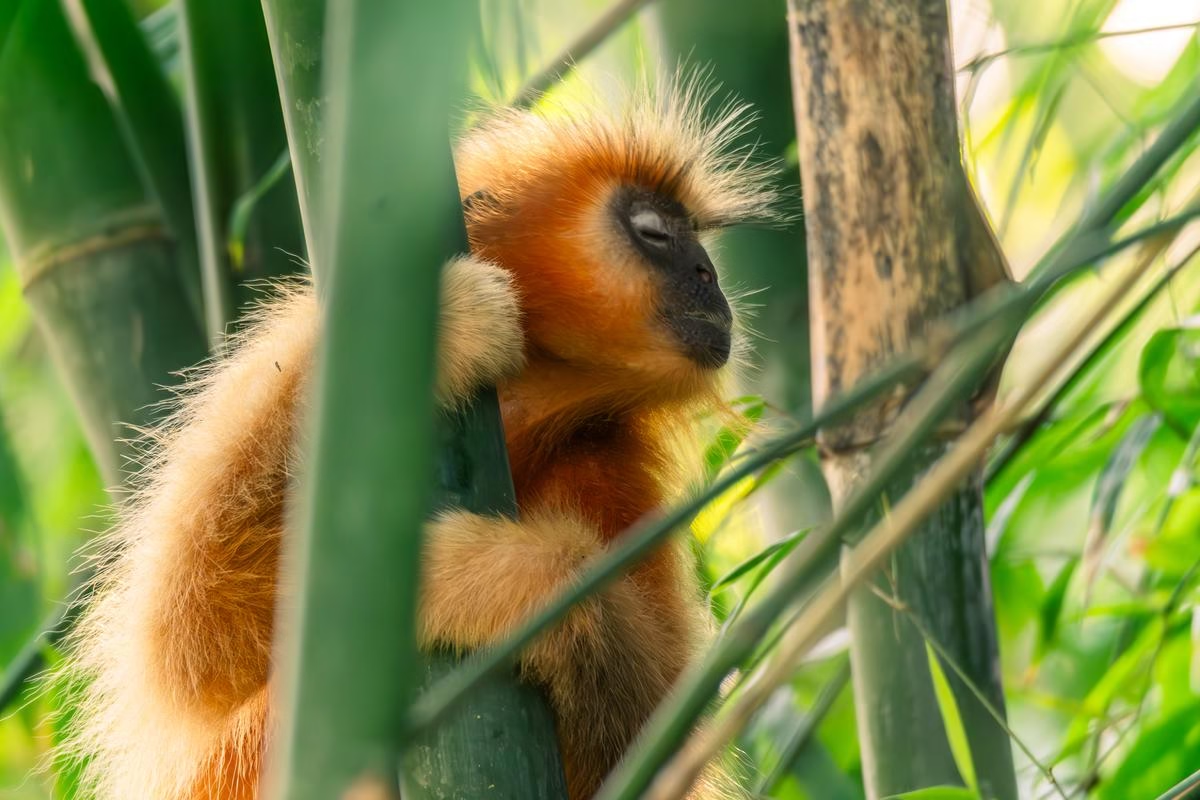 A peaceful Golden Langur resting on bamboo in Kakoijana Reserve Forest.
My little home for the trip was a comfy house with a red roof, surrounded by green grass. I heard happy cows with bells and saw geese in a pond! A common kingfisher even came to say hello. The forest itself was so clean, like a giant park, which is great for the Golden Langurs and other animals!
Finding the Fabulous Golden Langurs
When I first explored Kakoijana Reserve Forest, I saw lots of cool things like white-breasted kingfishers, emerald doves, and even a spotted owlet! But the real stars I was looking for were the Golden Langurs. These amazing monkeys have shiny golden fur and black faces. It took a bit of searching, but guess what? We found a whole family of them right in the village! Seeing the Golden Langurs up close was a dream come true.
These Golden Langurs are super curious! Locals told me that for the last two years, they’ve loved looking at themselves in mirrors. Sometimes, if no one’s home, they even peek inside houses just to see their reflections! How funny is that? The villagers don’t mind at all; they love their furry neighbors. The Golden Langurs also munch on young bamboo shoots as snacks.
My Tip for Your Own Adventure!
Want to see Golden Langurs too? Remember to be quiet and gentle. Sometimes things don’t go perfectly – one Golden Langur even pooped on my camera lens! But it was still a super fun and memorable moment. Always have a local guide, like Haro Mohan Rabha, to help you find these special creatures safely. These Golden Langurs are a bit rare, so we need to protect them! They are truly special to India.
This trip was a truly unforgettable experience. Seeing the amazing Golden Langurs and how people live peacefully with them was inspiring. Remember to always respect wildlife and their homes. What amazing animals have you seen? Share your adventures in the comments below!
Unveiling the Majesty: My Journey to Find Golden Langurs in Kakoijana Reserve Forest
Picture this: the humid air of Assam, the rhythmic clatter of a cab on winding roads, and a heart thumping with anticipation. That’s how my adventure began on November 7, 2025, heading towards the legendary Kakoijana Reserve Forest. This wasn’t just another birding trip; it was a deep dive into the unique ecosystem of India’s Northeast, with one magnificent primate, the Golden Langur, at the very top of my must-see list. Prepare to be captivated by tales of discovery, local coexistence, and the challenges of conservation for these incredible creatures.
A serene Golden Langur (Trachypithecus geei) resting in the bamboo groves of Kakoijana Reserve Forest, Assam.
My Kakoijana Base Camp: A Homely Retreat
After a swift drive from Guwahati, my homestay in Bongaigaon offered a charming respite. A single-story house with a red roof, a well-kept lawn, and dense tropical foliage provided a perfect backdrop. My spacious room was spotless, though sans geyser and WiFi – a welcome push towards true disconnection. This government-subsidized initiative, costing around ₹2500 per night, was a fantastic model for sustainable tourism. The property itself was alive with farm sounds: the gentle clang of cowbells, geese on a small pond, and even a brief visit from a common kingfisher. The lively atmosphere of chickens completed the idyllic scene, all just moments from Kakoijana Reserve Forest.
First Forays into the Forest and the Search for Golden Langur
Stepping into Kakoijana Reserve Forest was remarkable. The pristine environment, notably free of litter, immediately impressed. I noted the thoughtful canopy bridge, built for the Golden Langurs, though locals shared they rarely use it. The vibrant welcome gate, proudly proclaiming ‘The Home of Golden Langurs,’ set the stage. During my initial explorations, I was thrilled to spot a variety of avian life: the striking white-breasted kingfisher, the melodious black-rumped shama, the elegant emerald dove, a curious spotted owlet, and the distinctive racket-tailed drongo. Beyond birds, the forest teemed with insect life, including at least five types of butterflies, and various lizards, hinting at the rich biodiversity that supports species like the Golden Langur.
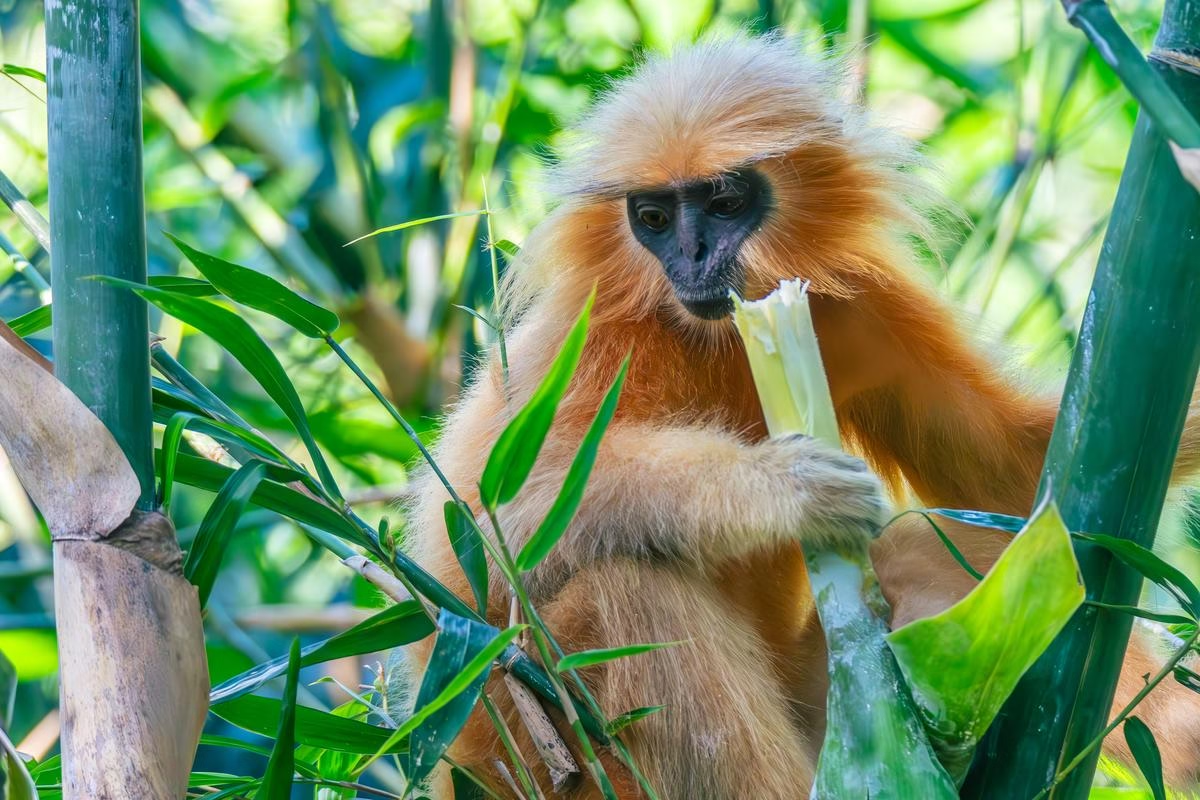
An agile Golden Langur enjoying a bamboo shoot, a common dietary staple in Kakoijana Reserve Forest.
Challenges and Triumphs on the Trail to Golden Langurs
My second day brought a wonderful encounter with friendly elephants. But the real adventure began with a steep, rocky hike through dense forest – quite a challenge! I ended up falling three times on the way down, leaving me with a sprained ankle. It was a stark reminder of nature’s unpredictability. Despite the setback, the forest’s life was everywhere. Butterflies flitted ceaselessly, a beautiful distraction. My search for the wild Golden Langurs took me to a rocky stream, where I cooled my feet, a small comfort in the humid pursuit. While the wild sightings were elusive initially, perseverance paid off. Around midday, we finally located a family of Golden Langurs right in the village – a truly joyful moment!
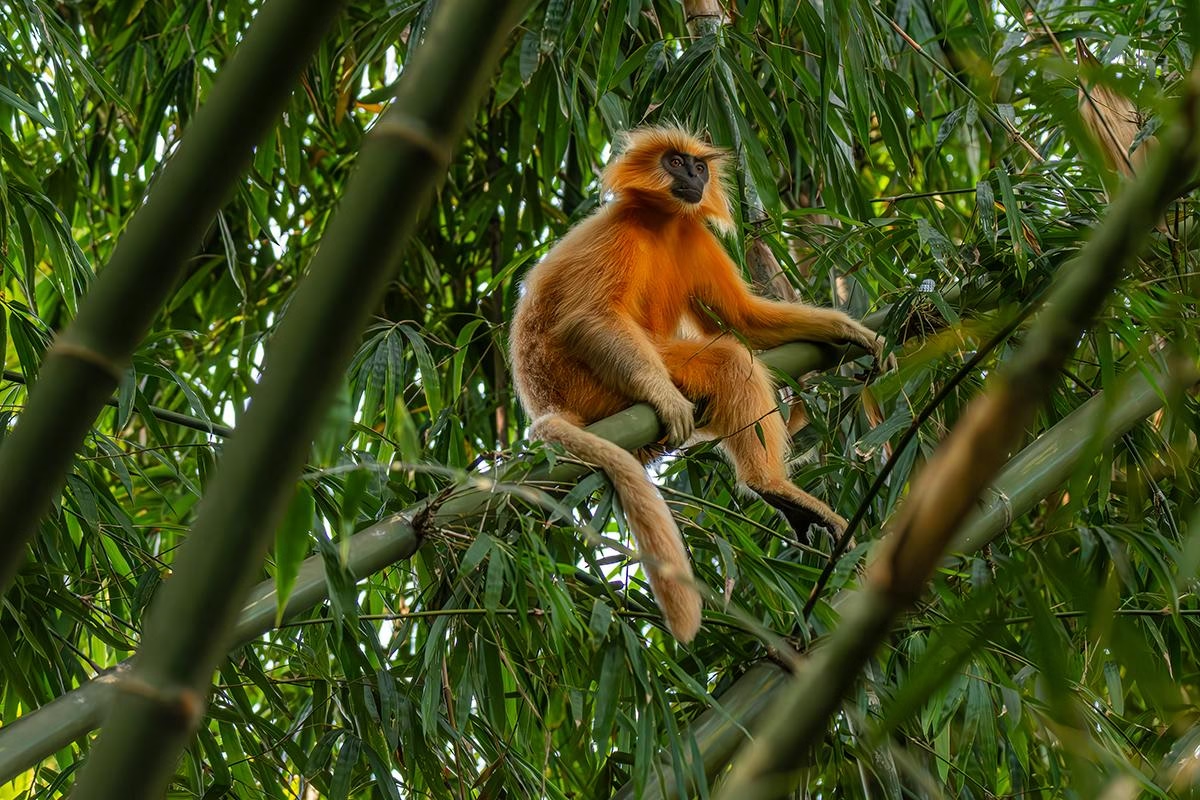
A curious Golden Langur perched on a bamboo stalk, surveying its Kakoijana Reserve Forest home.
The Marvel of Gee’s Golden Langurs
The Golden Langur (Trachypithecus geei), also known as Gee’s Golden Langur, is an endangered species endemic to this region. My observations revealed fascinating insights. Locals shared that for the past two years, these primates have developed a peculiar fascination with mirrors, sometimes entering unoccupied homes just to gaze at their reflections. This unique behavior speaks volumes about their intelligence and curiosity. It’s heartwarming to see the local community’s complete trust in them; they cause no harm, often just munching on young bamboo shoots, a behavior widely tolerated. I even experienced a memorable, albeit messy, moment when a Golden Langur pooped on my lens – a true mark of an immersive wildlife encounter! Capturing excellent photos and videos, including an alpha male on my final day, was incredibly rewarding.
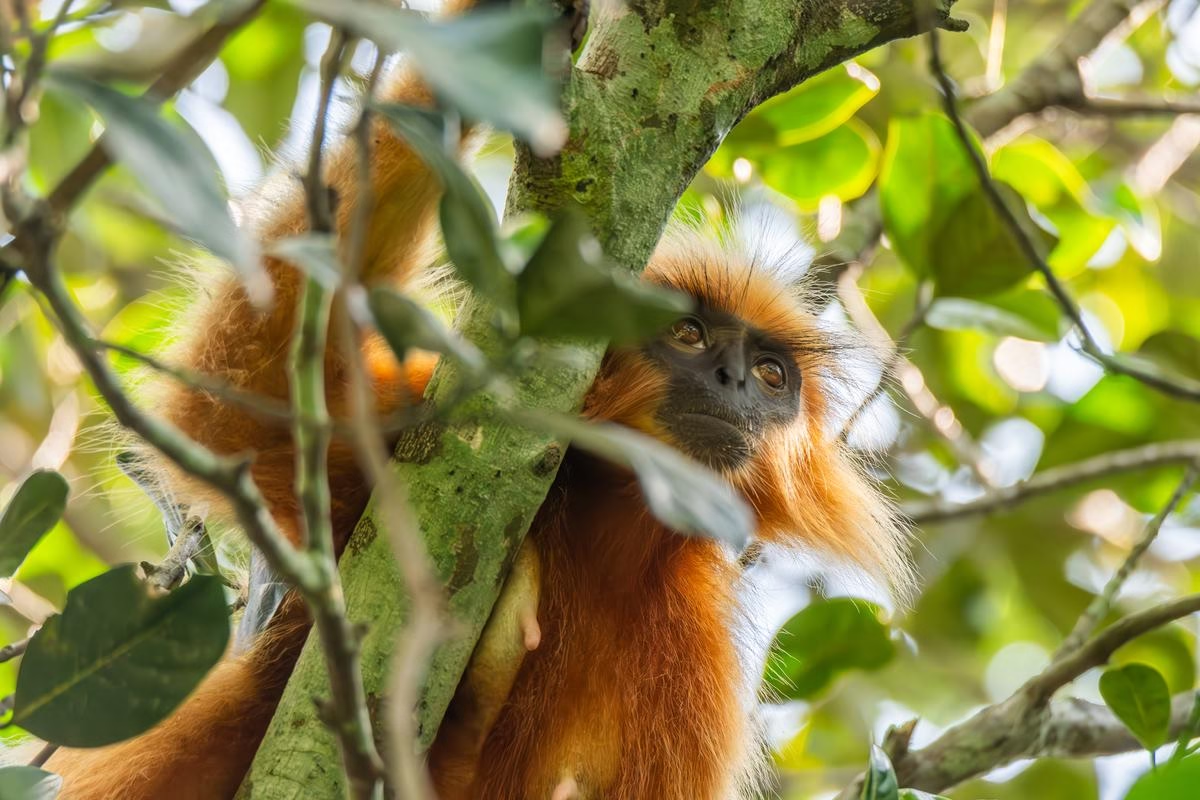
A discreet Golden Langur blending into the lush canopy of Kakoijana Reserve Forest, Assam.
Conservation Efforts & Community Harmony with Golden Langurs
Our local guide, Haro Mohan Rabha (+91 98544 21716), a dedicated member of the Rabha clan, was instrumental. His extensive work with Golden Langurs, including contributions to NatGeo, highlights the deep local commitment to these animals. Speaking with villagers, I learned about their amused reactions to langurs entering homes; they don’t take food and mostly just observe. The sight of young children captivated by the langurs in the evening was truly heartwarming. However, conservation isn’t without its challenges. Sadly, five Golden Langur deaths have occurred recently, three due to electrocution. Bikash (+91 60026 53014), who arranged my trip, suggested a lack of awareness as a contributing factor – a critical issue for the survival of these Golden Langurs.
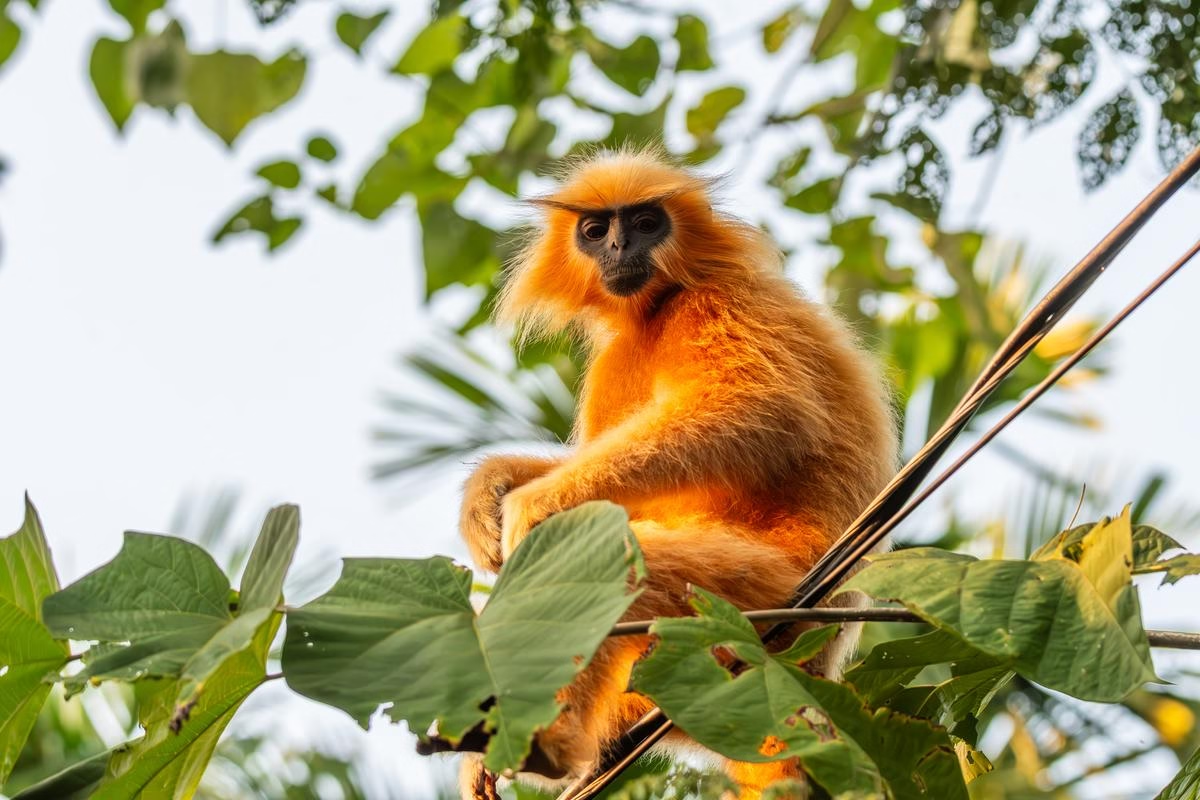
An alert Golden Langur observing its surroundings from a branch in Kakoijana Reserve Forest.
Tips for Your Kakoijana Golden Langur Expedition
My trip had its quirks: a budget miscalculation by my agent (tip: hire guides directly to save on fees like Haro Mohan), room guests (mouse, cat), and a late start on my final morning. Yet, every challenge offered a lesson. Here’s what I learned for fellow wildlife enthusiasts:
- Local Guides Are Key: Haro Mohan Rabha (+91 98544 21716) is a treasure. Contacting local guides directly can save money and provide deeper insights.
- Prepare for Disconnection: Limited internet access is common. Embrace it!
- Timing is Everything: Golden Langurs are often most active until 9 am. Plan early starts.
- Respect Wildlife: Keep a respectful distance, even if a curious langur gets close (and potentially poops on your lens!).
- Conservation Awareness: Be mindful of local conservation efforts and challenges.
FAQs About Golden Langurs
Curious about these incredible primates? Here are some common questions:
- Are Golden Langurs dangerous? Generally no. As observed in Kakoijana, locals trust them and they don’t harm people or take food.
- Do Golden Langurs avoid humans? Not entirely. While naturally shy, in places like Kakoijana, they show surprising curiosity, even entering homes for mirrors.
- Are Golden Langurs intelligent or smart? Their documented fascination with mirrors and problem-solving skills suggest a high level of intelligence.
- Are Golden Langurs rare or endangered? Yes, Gee’s Golden Langur (Trachypithecus geei) is an endangered species, primarily found in a small region of Western Assam and Bhutan.
- Where are Golden Langurs found? Primarily in Western Assam, India, and parts of Bhutan. Kakoijana Reserve Forest is a key habitat.
- Are Golden Langurs aggressive? They are generally not aggressive towards humans, preferring to keep their distance unless habituated.
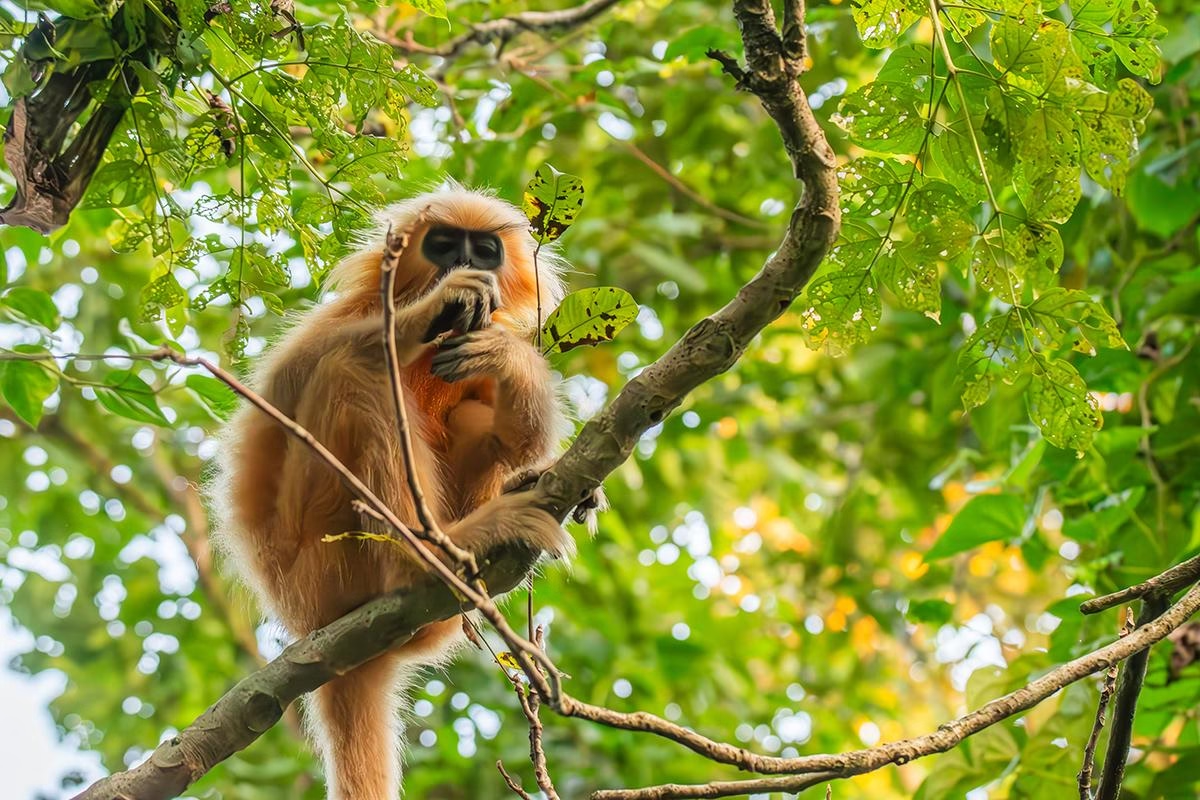
A Golden Langur enjoying a meal on a thick tree branch, amidst the vibrant foliage of Kakoijana Reserve Forest.
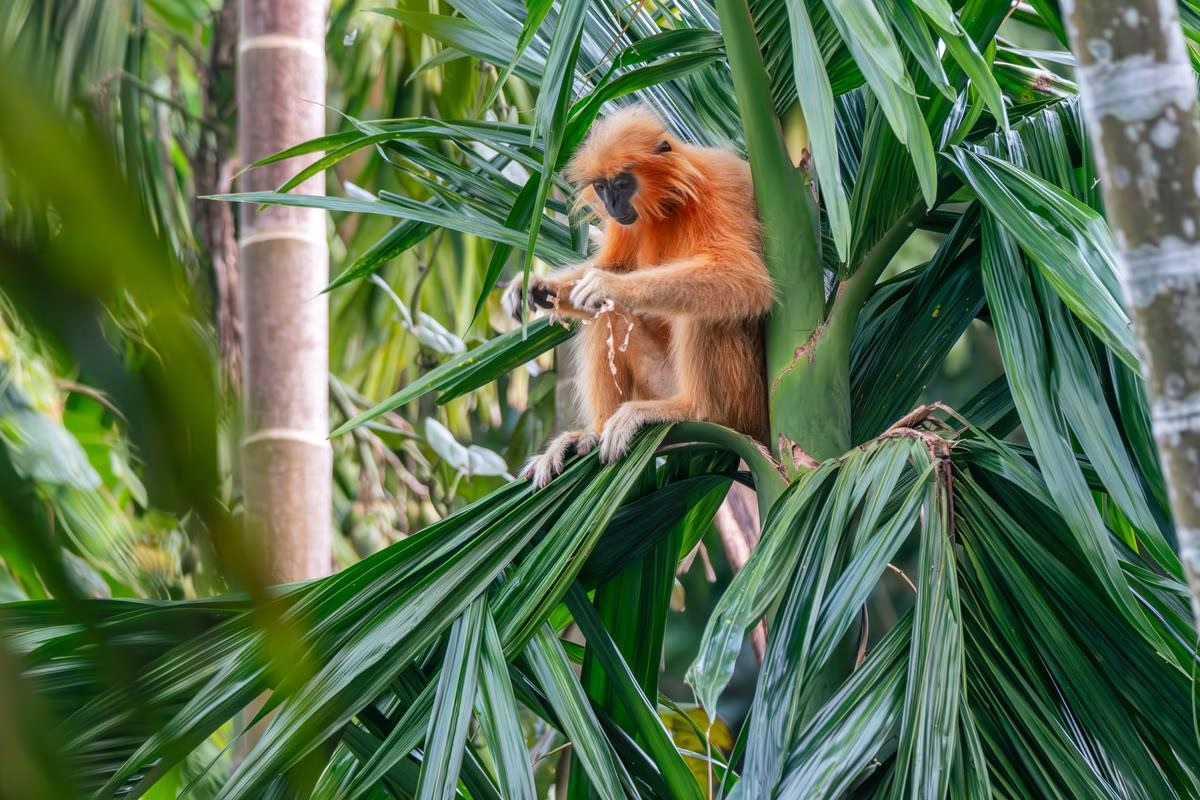
A focused Golden Langur meticulously peeling plant material in the Kakoijana Reserve Forest.
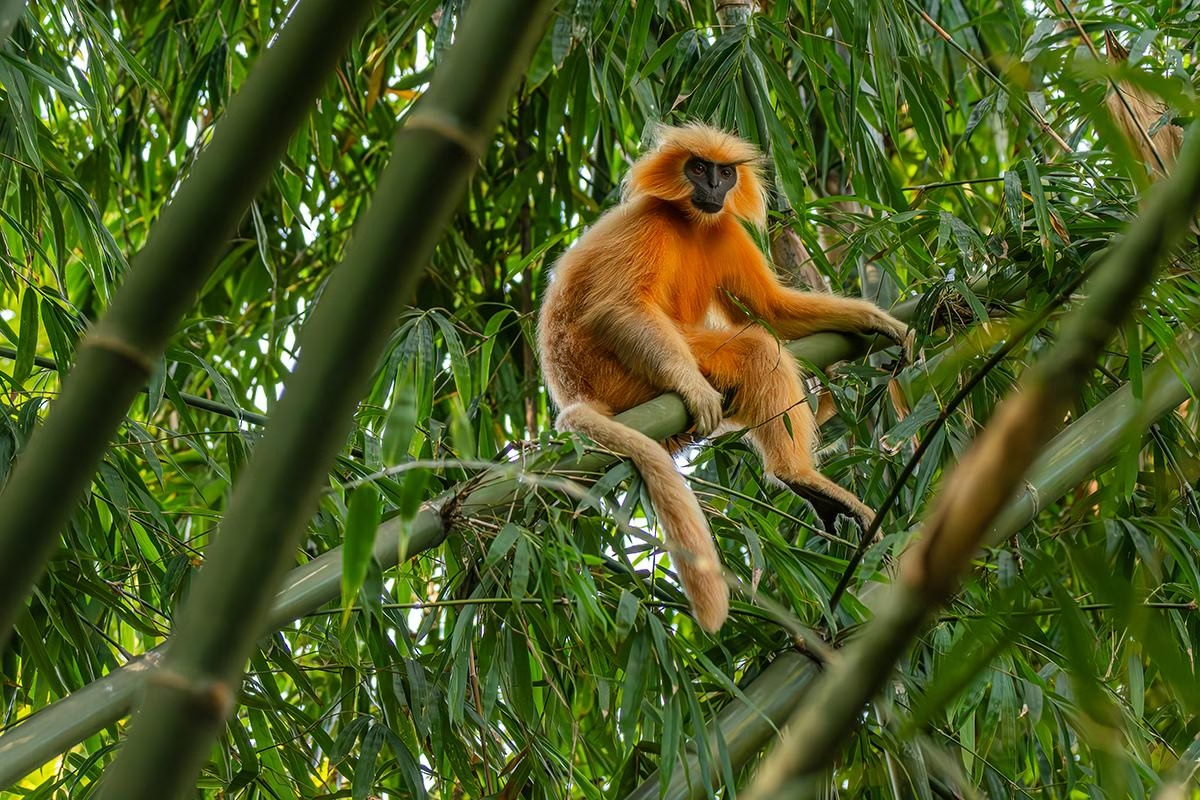
A magnificent Golden Langur surveying its bamboo grove territory in Kakoijana Reserve Forest.

A highly arboreal Golden Langur clinging to a tree trunk in the Kakoijana Reserve Forest.
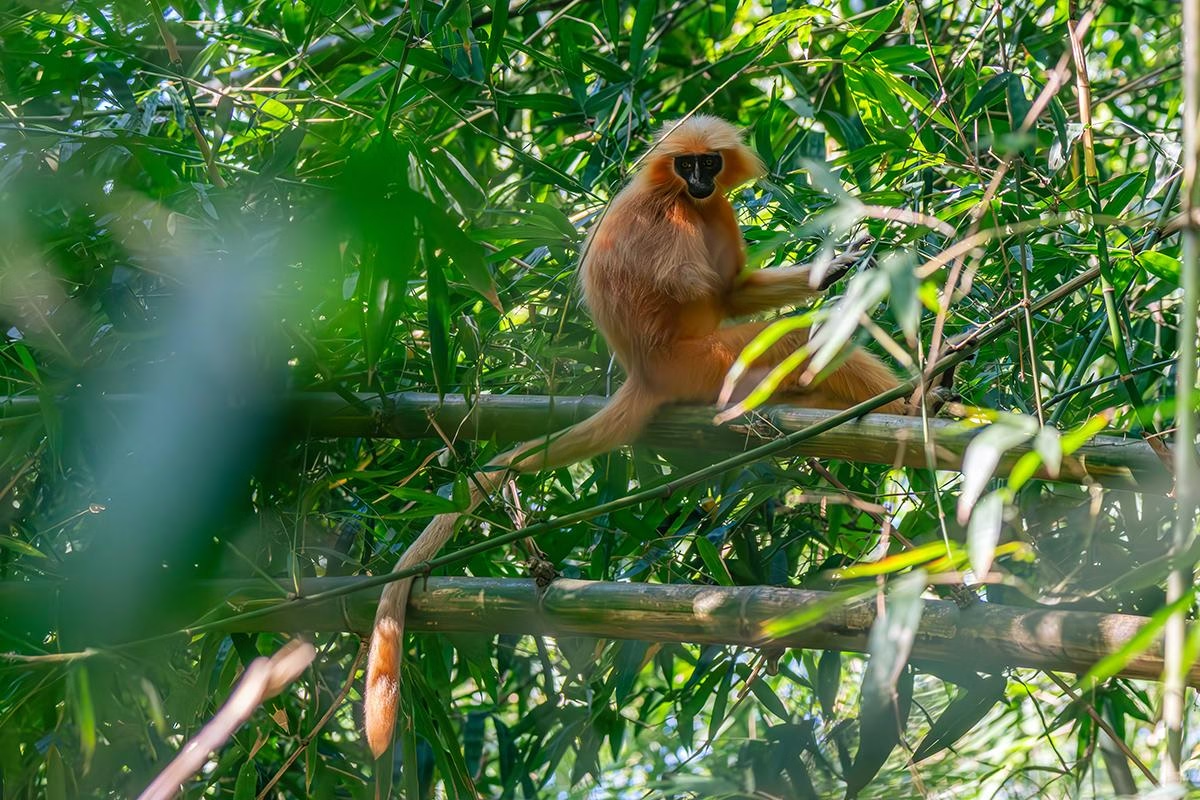
A striking Golden Langur, with its characteristic golden fur and black face, on a bamboo stalk in Kakoijana Reserve Forest. This specific Langur lost his hand due to electrocution.
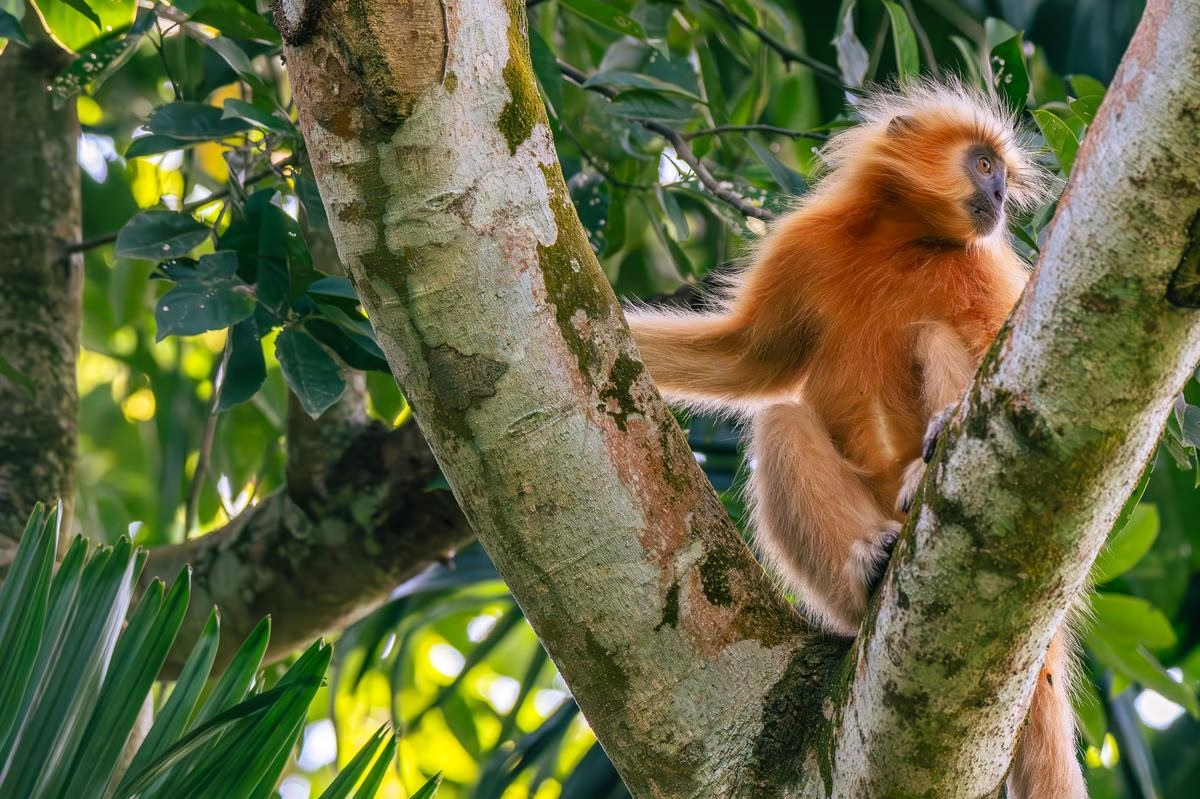
A thoughtful Golden Langur on a mossy branch, bathed in dappled sunlight in Kakoijana Reserve Forest.
Final Reflections: Protecting Our Golden Langurs
My trip to Kakoijana was an absolutely fantastic and enlightening experience. From the warm hospitality to the unique interactions with wildlife, especially the majestic Golden Langurs, every moment was a story. The footage I captured truly reflects the beauty and wonder of this region. It’s a powerful reminder of how humans and nature can coexist, but also of the crucial need for continued conservation efforts to protect endangered species like these Golden Langurs.
What’s your most memorable wildlife encounter? Share your thoughts in the comments below! And don’t forget to explore our other adventures in Assam for more wildlife wonders. For mobile users, remember to note Haro Mohan Rabha (+91 98544 21716) as your go-to guide for Kakoijana, focusing on the Golden Langurs, especially during the dry season (November) for best sightings.